

Why “Popular” Matters: Function Meets Fashion in 2025
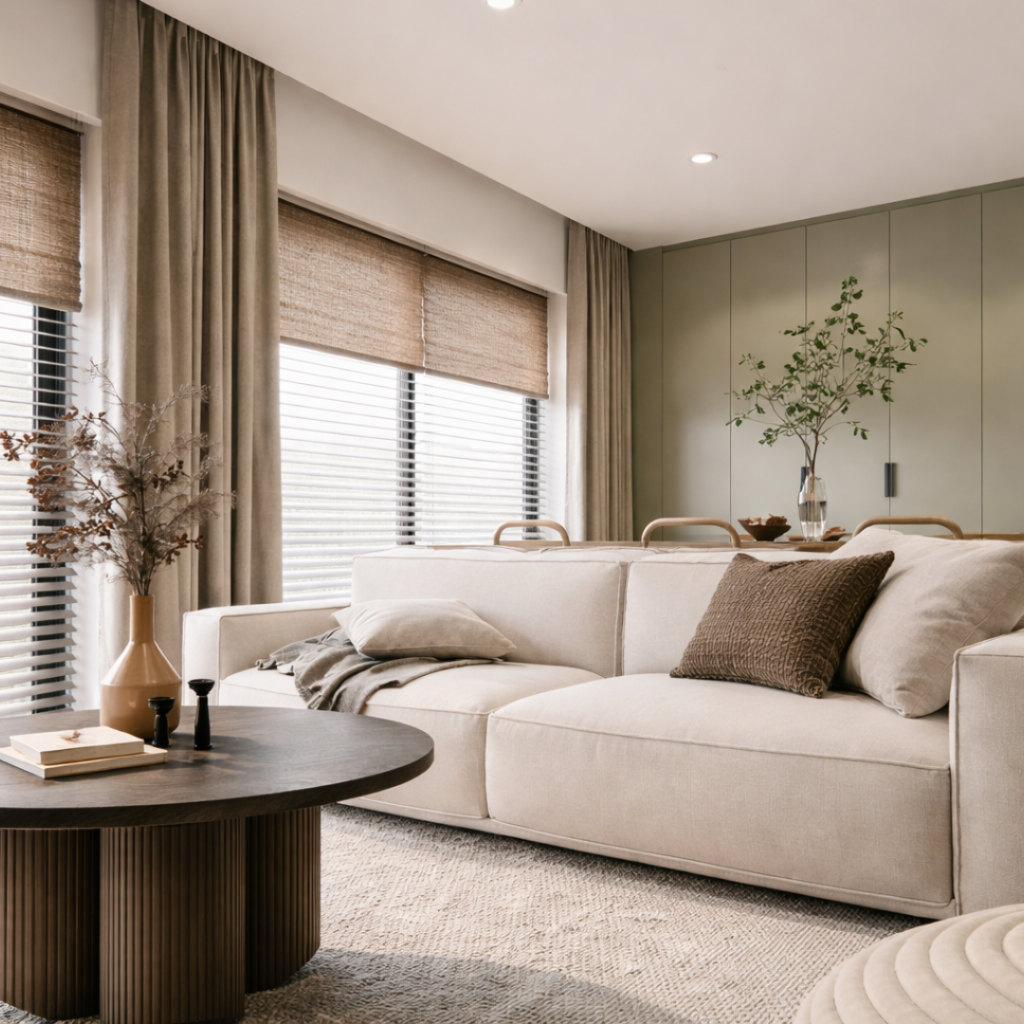
Why “Popular” Matters: Function Meets Fashion in 2025 The question behind every décor refresh is deceptively simple: “What is popular in blinds right now?” The answer, however, is layered—just like the most buzz-worthy window treatments of the year. The right blinds or shades do more than control light; they insulate, add texture and pull an entire design scheme together. Choosing what’s popular isn’t about chasing fleeting trends; it’s about tapping into innovations that make everyday living easier, greener and undeniably better-looking. I first learned this lesson while remodeling my loft last winter. Swapping out dated aluminum slats for smart woven-wood shades shaved noticeable dollars off my heating bill and totally changed the vibe of the room. Friends walked in and felt the difference before they even noticed it. That’s when I started tracking the design cycle with a critical eye, paying attention to what real homeowners—and I—actually loved long after the initial “wow” factor faded. Today, popularity is earned in three ways: dependable performance (energy savings, privacy, UV protection), ethical production (sustainable fibers, low-VOC finishes) and emotional punch (color stories, tactile appeal). In other words, the blinds everyone is talking about this year deliver practical wins and style bragging rights. Let’s dive into the macro-trends powering that buzz and see which specific styles rise to the top. Macro-Trends Shaping Blinds & Shades Right Now Popularity never happens in a vacuum. It’s the intersection of technology, culture and plain old human comfort. Below are four megatrends guiding 2025’s window-treatment landscape—and, yes, each one is already transforming real homes (including my own). 2.1 Sheer Serenity: Light-Diffusing Fabrics “Linen and cotton sheers diffuse sunlight while preserving privacy, creating a soft, romantic atmosphere.” That sentence lives on the sticky note stuck to my design mood board, because sheer, airy drapes remain the fastest way to calm a room without dulling it. The new generation of translucent fabrics is tightly woven enough to filter glare yet open enough to frame the view. I layered whisper-thin white linen panels over cordless roller shades in my studio, and now I can hop on a video call at high noon without squinting at the screen. Why they’re hot: homeowners crave sunlight to boost mood but refuse to sacrifice privacy. Sheers strike the balance and photograph beautifully—a social-media double win. Innovations include recycled-cotton blends and stain-repellent finishes that let you keep windows open on a breezy day without fretting over dust. Pro tip from my own install: hang sheers four inches higher than the top of the frame and let them just kiss the floor. The extra drop elongates the wall and makes ceilings read taller. 2.2 Earth-Toned Warmth & Bold Statements “Filtered daylight paired with earthy neutrals or golden tones turns any space into a cosy retreat.” At the same time, “Not a fan of neutrals? Geometric prints, tribal motifs and jewel-tone drapes are injecting fresh energy into modern interiors.” These seemingly opposite statements coexist because 2025 is the year of personalized comfort. Think clay, ochre and wheat one room over; emerald, indigo and magenta the next. I embraced both ends of the spectrum in my open-plan living area: muted wheat woven-wood shades ground the seating zone, while a pair of sapphire velvet Roman shades spark conversation in the adjoining reading nook. The key is intentional contrast—choose one hero hue or pattern per sight-line and let supporting colors whisper. Manufacturers are meeting us halfway by releasing curated color books, so you can order drapes, valances and trims that coordinate straight out of the sample pack. 2.3 Sustainability Front and Center “Homeowners are gravitating toward bamboo, hemp and sustainably sourced wood blinds to bring nature indoors and reduce environmental impact.” That’s more than marketing fluff—eco-friendly lines are selling out faster than vendors can restock them. Certification labels (FSC, Greenguard Gold) now appear in product descriptions as prominently as color swatches. I once assumed sustainable meant rustic, but my hemp-blend roller shades arrived with a subtle matte sheen that feels upscale, not rough. Energy performance is equally impressive: cellular constructions trap air pockets, and natural fibers breathe, keeping rooms cooler in summer and warmer in winter. The bonus? Every visitor notices the texture and asks where I found them. Being green is officially a design flex. 2.4 Smart, Voice-Activated Convenience “Voice-activated and app-controlled shades fit seamlessly into connected homes, offering convenience and precise light management.” I resisted smart blinds until I spent one sweaty August afternoon on a ladder, re-threading a broken cord. Two weeks later, I installed motorized rollers I can raise with my phone. Now sunrise triggers an automatic open at 6 a.m., and sunset cues a gentle close. Popularity proof: smart-shade shipments doubled last year, and price points dropped by a third. Advances in rechargeable batteries (hidden in the head rail) and quieter motors make them approachable for renters and condo owners. If you own a voice assistant, you can integrate blinds into morning routines (Alexa, “good-night mode”) without extra hubs. The top finish options? Matte white, graphite and—no surprise—organic woodgrain laminates that echo the eco trend. Top 5 Window-Treatment Styles Dominating the Market Popularity often crystallizes in specific silhouettes. Consider this my cheat-sheet—and, yes, the list comes straight out of my notebook labeled “5 Popular Window Treatment Styles Right Now.” Roman Shades – Timeless elegance with soft folds. They bridge formal and casual rooms because fabric choice dictates mood. I hung unbleached-linen Romans in my dining room for understated sophistication. Roller Shades – Sleek, minimal and available in endless colours. With blackout or solar fabrics, they work from nursery to home theater. Their streamlined cassette valances keep sight-lines modern. Woven Wood Shades – Casual textures that blur indoor-outdoor boundaries. Matchstick bamboo, abaca and jute weave sunlight patterns onto floors—instant resort vibe. Vertical Blinds – Ideal for large windows and sliding doors, offering precise light control. Today’s panels showcase wide 4-inch slats in linen-look vinyl or real textile inserts, nixing the clacky plastic stereotype. Interior Shutters – Durable, nearly full blackout and effortlessly classic. Composite finishes
What Are Shutters vs Blinds? Understanding the Real Difference
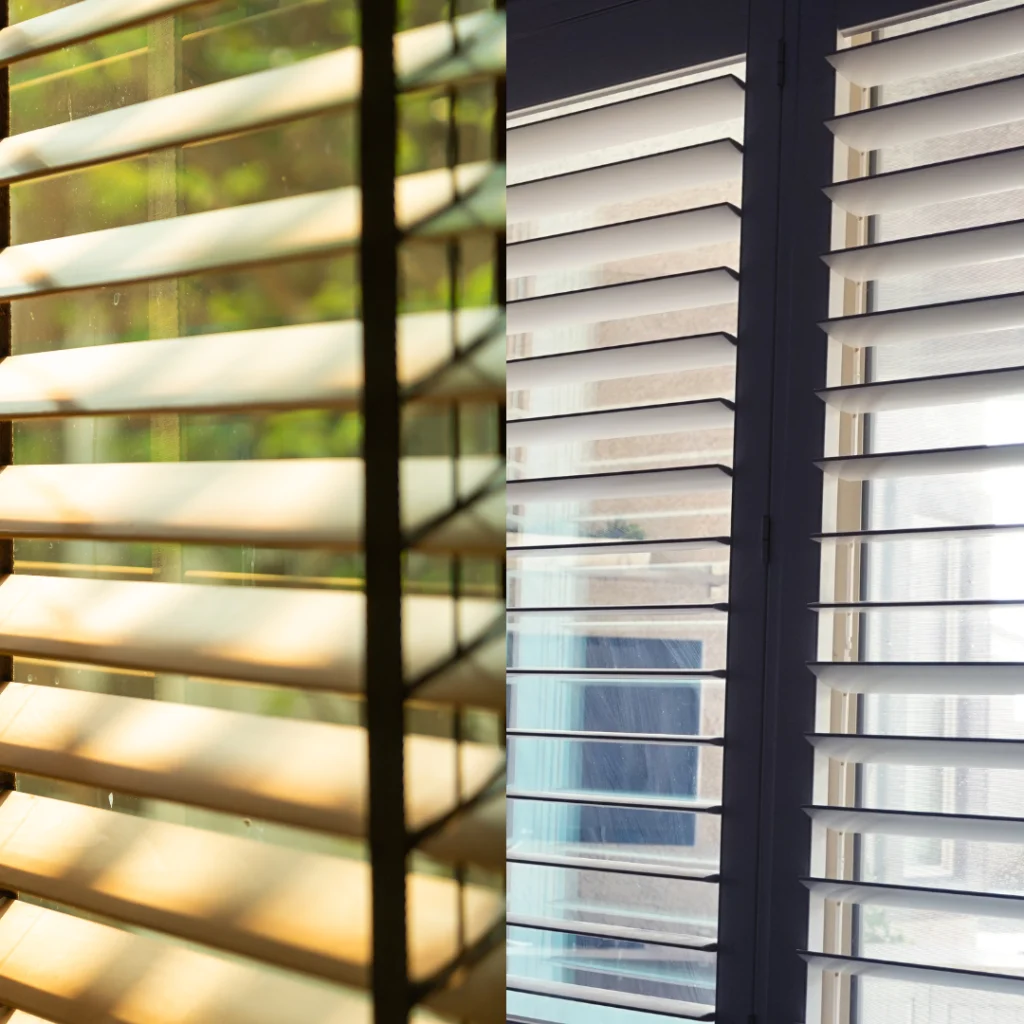
What Are Shutters vs Blinds? Understanding the Real Difference Why Choosing the Right Window Covering MattersWhen I first started thinking about upgrading my home’s window treatments, I had no idea how many options were out there—or how confusing it could be. Like many homeowners, I used to think “blinds” was a generic term for all types of window coverings. But as I dug deeper, I discovered that blinds and shutters are two completely different products, each with its own set of benefits, styles, and use cases. Window treatments do more than just control light. They play a major role in your home’s energy efficiency, privacy, noise reduction, and overall style. Whether you’re decorating a new space or looking to update old, outdated coverings, understanding the difference between shutters and blinds will help you make an informed decision that enhances the look and feel of your entire home. Understanding Blinds: Functionality and Flexibility Types of Blinds and Where They ShineBlinds are a popular window treatment due to their affordability and versatility. They’re typically made of horizontal or vertical slats that can be tilted to adjust the amount of light entering a room. Materials range from aluminum and vinyl to wood and faux wood, each offering different advantages. I chose faux wood blinds for my office and guest room because they offered a warm, classic look without being vulnerable to humidity—perfect for Florida’s climate. They were quick to install and gave me excellent light control throughout the day. Pros and Cons of BlindsPros: Affordable and widely available Adjustable slats allow for flexible light and privacy control Available in a variety of colors and materials Quick DIY installation Cons: Difficult to clean due to individual slats Cords can tangle or break over time Less durable and stylish than shutters Blinds were ideal for rooms where I wanted to keep costs low without sacrificing function—like the office or guest space. Exploring Shutters: Elegance and Efficiency What Makes Shutters UniqueShutters, especially plantation shutters, are installed directly into the window frame and feature wide, solid louvers that tilt open and closed. Unlike blinds, which hang from brackets and can be removed easily, shutters are semi-permanent fixtures that feel like part of the home’s architecture. I didn’t plan on installing shutters initially, but after seeing how sophisticated they looked in a neighbor’s living room, I was intrigued. Once I installed them in my own living space, they completely transformed the feel of the room—adding elegance, character, and a clean, tailored finish. Long-Term Benefits and ConsiderationsPros: Boost resale value with a high-end, built-in appearance Excellent insulation, reducing energy costs Easy to clean and maintain Durable and long-lasting Cons: Higher initial investment Professional installation often required Not easily removed or changed For me, the investment was worth it. The shutters in my living room not only looked great but noticeably helped with temperature control, especially during hot summer months. Comparative Analysis: Shutters vs Blinds Cost, Maintenance, and Aesthetic ValueBlinds are generally much cheaper than shutters, which is a key reason many people start there. However, they’re also more likely to need replacement or repair. Shutters cost more upfront but last for years and often pay for themselves in home value and energy savings. Blinds require regular dusting and can be tedious to clean. Shutters, by contrast, are easy—just a quick wipe with a damp cloth. And when it comes to style, shutters provide a more polished, permanent look that elevates any room. Energy Efficiency and DurabilityShutters offer better insulation due to their solid frame and thicker materials. When I installed cellular shades in the bedrooms and shutters in the living room, my energy bill noticeably decreased. Blinds don’t provide much insulation and are more prone to wear and tear. However, they still offer great functionality where temperature isn’t a major concern. Installation and Resale ImpactBlinds are easy to install, making them great for renters or short-term upgrades. Shutters, on the other hand, require precision and often professional help—but once installed, they become a major selling point if you ever list your home. Personal Insights: My Journey Through Window Treatments Blinds in My Office and Guest RoomMy first choice was faux wood blinds, and I don’t regret it. They were cost-effective and functional, perfect for rooms that didn’t need a major design statement. Shades That Changed My Bedroom ComfortI also tried cellular shades in the bedrooms, which made a huge difference in regulating temperature. They were stylish, quiet, and offered blackout options for better sleep. Shutters That Transformed My Living RoomShutters were the showstopper. Installing them in the living room gave my home a timeless, luxurious feel. They added both curb appeal and real comfort—and they were surprisingly low-maintenance. Key Considerations: Making the Right Choice for Your Home Budget and Long-Term ValueIf you’re on a tight budget, blinds are the way to go. But if you can stretch your investment, shutters offer long-term value through energy savings and resale potential. Light Control and Privacy NeedsBlinds allow for precise light adjustment, while shutters offer full coverage and insulation. Each has its strengths, depending on the room and your lifestyle. Style Matching Across Different RoomsI ended up mixing treatments across rooms. Blinds in the office, shades in the bedrooms, and shutters in shared spaces like the living room created a balanced, customized feel throughout the house. Conclusion: Tailoring Window Treatments to Your Needs Blending Functionality, Style, and ComfortThe best window treatment isn’t about trends—it’s about what works best for your needs. Whether it’s the affordability and flexibility of blinds or the timeless elegance and efficiency of shutters, the right choice depends on your space, your goals, and your lifestyle. My advice: don’t commit to one solution for your entire home. Mix and match to find what brings comfort, style, and function to every room. That’s what I did, and I couldn’t be happier with the results.
What Color Blinds for a Modern Farmhouse?

What Color Blinds for a Modern Farmhouse? Why Choose Bamboo Blinds for the Bathroom? Designing a modern farmhouse home is all about balance—blending rustic textures with sleek, contemporary lines to create a space that feels both timeless and current. One of the most underappreciated but incredibly powerful elements in pulling this off? Your window treatments. At first glance, blinds may seem like a purely functional choice—something to control sunlight or maintain privacy. But in reality, the right blinds can make or break your interior design. They frame your views, soften your architecture, and introduce just the right layer of texture and warmth. When I first started decorating in this style, I underestimated how central window treatments would be. Despite having distressed wood floors, matte black fixtures, and granite countertops in place, my rooms felt unfinished—until I found the right shades and blinds to tie everything together. Top Color Choices for Farmhouse Blinds A modern farmhouse color palette is anchored in neutrals—think soft whites, beiges, warm grays, and natural textures. These tones help highlight the beauty of reclaimed wood, exposed beams, and iron hardware while keeping things bright and inviting. Throughout my home, I discovered that ivory, oatmeal, soft gray, and crisp white tones offered the perfect harmony. These colors don’t compete with rustic features—they enhance them. For instance, a warm ivory blind next to a weathered oak beam brings a subtle sophistication that still feels cozy. Muted, natural tones also offer versatility. Whether you’re layering with linen drapes or leaving blinds bare, neutral shades serve as the ideal backdrop for seasonal decor changes and evolving personal styles. Choosing Shades That Complement a Neutral Palette One of the most impactful changes I made was in my living room, where I chose cellular shades in a soft ivory. These didn’t just blend beautifully with my walls and decor—they also helped control temperature, which was a bonus I hadn’t considered. What surprised me most was how these simple shades brought a softness to the space. The clean, horizontal lines added structure without feeling harsh, and when paired with sheer white curtains, the whole room took on a dreamy, breathable quality. Ivory Cellular Shades: Clean, Soft, and Energy-Efficient Cellular shades, especially in light neutrals like ivory, are a smart choice for any modern farmhouse. Their subtle honeycomb design traps air and insulates the room, helping with energy efficiency—ideal for homes in areas with hot summers or chilly winters. Aesthetically, they’re a match made in heaven. The texture is gentle but present, and the look is clean but not sterile. When I first installed them in my living room, it instantly felt more “put together,” like the space had been missing its final touch all along. Layering them with sheer drapes created dimension without bulk. It’s that balance of structure and softness that defines modern farmhouse style. Benefits of cordless or motorized blinds Not only do they enhance functionality, but they also provide a cleaner, safer look—especially in homes with children or pets. Roman Shades in Farmhouse Bedrooms: Texture Meets Elegance In the bedrooms, Roman shades were a clear winner. Their clean folds and soft materials brought a sense of calm and comfort that worked beautifully with my farmhouse aesthetic. I used textured linen and cotton in natural oatmeal and crisp white—two shades that played incredibly well against reclaimed wood furniture and black iron accents. Not only did these colors look great, but they also allowed light to filter in softly during the day, creating that warm, diffused glow that feels so inviting. Plus, choosing cordless and motorized versions made them super practical. No dangling cords, no fuss—just elegance and functionality in perfect sync. Wood Blinds for a Rustic Yet Refined Look For my home office, I opted for wood blinds in a light grayish-white tone. The subtle wood grain added just enough texture to connect with the cabinetry and wood trim, while the color kept everything airy and modern. These blinds offered excellent control over light levels, which turned out to be a game-changer for working from home. Whether I needed full sun, partial light, or complete privacy, I had full flexibility—and it looked stunning, too. Blinds that enhance privacy without sacrificing styleWood blinds offer warmth, texture, and structure without overwhelming the room—perfect for modern farmhouse design. The Charm of White Shutters in a Farmhouse Dining Room Few things scream “farmhouse” quite like wood shutters. For the dining room, I installed bright white shutters to contrast with the warm wood tones of the table and floors. The effect? Absolutely classic. Shutters add structure and elegance. They’re solid, symmetrical, and timeless. And they deliver unbeatable privacy—perfect for cozy evening dinners or lively family gatherings. I love how shutters stand out but still blend in. They’re sculptural, architectural, and yet feel totally natural in a farmhouse setting. They became the defining feature of the room without overshadowing anything else. Natural Woven Shades: Bringing Organic Warmth Indoors One of my favorite discoveries was how well natural woven shades—made of materials like bamboo or jute—fit within the modern farmhouse theme. I installed them in our reading nook, and the transformation was instant. The woven texture added warmth and interest, pairing beautifully with white walls and metal pendant lighting. That mix of soft and rough textures, natural and industrial elements—it’s what makes this style so compelling. Woven shades are also incredibly versatile. They can be layered, paired with curtains, or left solo for a minimalist look. Either way, they bring a sense of earthiness that no synthetic fabric can replicate. Mastering the Art of Layered Window Treatments Layering changed everything for me. Once I started mixing shades with curtains, blinds with drapes, or shutters with soft textiles, every room took on more depth. Color layering ideas using curtains and shades In the living room: natural shades + light linen drapes In the bedroom: sheer Roman shades + blackout curtains In the dining room: shutters + off-white curtains The key is contrast—soft against solid, light against heavy, matte against
What Blinds Add the Most Value to a Home?
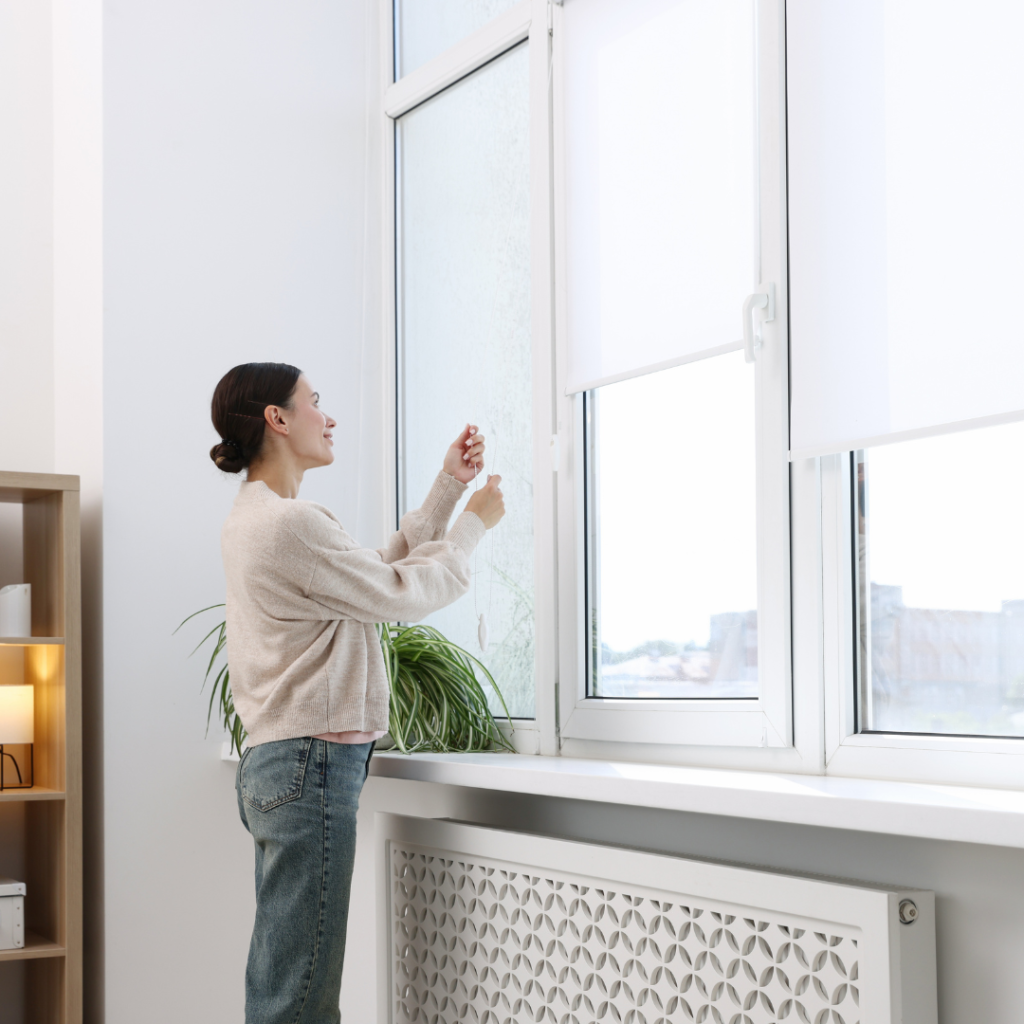
What Blinds Add the Most Value to a Home? When it comes to home upgrades that are stylish, functional, and actually increase property value, window treatments are one of the most overlooked opportunities. Yet, savvy homeowners and real estate pros know: the right blinds can do more than block the sun—they can boost your home’s resale appeal and market price. Let’s break down exactly which blinds add the most value, and why they deserve a top spot on your renovation priority list. Why Window Treatments Matter for Resale If you’ve ever toured a house that’s labeled “move-in ready” but still felt it was lacking… it was probably the windows. It’s incredible how much outdated mini-blinds or bare panes can drag down a room. That’s something I saw firsthand in Florida, when I helped a homeowner swap out their flimsy slatted blinds for thoughtful, custom solutions. We went with light-filtering roller shades in the bedrooms, sleek cellular shades throughout the main living areas, and bold drapes to frame the living room view. The result? The home got an immediate curb appeal glow-up—no more tilted, mismatched blinds peeking out from the street. Utility bills dropped, thanks to the insulating power of honeycomb cells that blocked intense afternoon heat. Most importantly: the appraiser took note, listing the upgraded window treatments as a feature that helped justify a higher asking price. That’s when it clicked for me: quality blinds aren’t just for aesthetics—they’re a real investment in both daily comfort and long-term home value. Blinds That Impress Buyers and Boost Appraisals Not all blinds are created equal when it comes to ROI. If you’re thinking resale, here are the top performers: Plantation Shutters Often considered the gold standard of window treatments, plantation shutters are permanent fixtures that feel custom and luxurious. They offer: Long-term durability Excellent insulation Wide slat design for flexible light control They’re a favorite among real estate agents and buyers alike because they’re viewed as a built-in upgrade. Faux Wood Blinds A more budget-friendly alternative to real wood that still looks premium. Ideal for: Kitchens and bathrooms due to moisture resistance Neutral staging and cohesive design Easy maintenance and cleaning Cellular Shades (Honeycomb Shades) Energy efficiency champions with a sleek look. Their benefits include: Reduced heating and cooling costs Added insulation and sound dampening Appeal to eco-conscious buyers Motorized or Smart Blinds Luxury buyers love automation. These are best for: High or hard-to-reach windows Tech-focused homes Boosting smart home appeal Style Meets Efficiency: The Winning Formula for ROI Blinds that add value aren’t just pretty—they solve problems. That’s why the most successful upgrades combine form and function. In our home, we chose cellular shades specifically to deal with west-facing windows. Every afternoon, the heat was intense. After installing the honeycomb blinds, indoor temperatures dropped noticeably, reducing the load on the A/C. The homeowner saved money and future buyers saw the benefit instantly. Style is just as important. Blinds that blend with flooring, paint tones, and furniture make homes feel polished. Neutral tones like white, beige, and soft gray are always resale-friendly and photograph beautifully. Best Blinds by Room: What to Choose and Where Not every blind suits every room. Here’s a breakdown: Living Room Use layered treatments—roller shades or faux wood blinds topped with long, elegant drapes. This adds depth and style. Bedrooms Opt for blackout roller shades or insulated cellular shades for better sleep and privacy. Kitchen Faux wood blinds are ideal for resisting heat and moisture. Stick to clean lines and simple designs. Bathrooms Moisture-resistant materials like vinyl or faux wood, with simple aesthetics that keep the space clean and modern. Home Office Go for light-filtering solar shades to reduce glare while maintaining natural light for productivity. From Bland to Brilliant: A Real-World Window Makeover Ever toured a “move-in ready” house and still felt it missing something? I used to think the same—until I helped a Clermont homeowner swap out dated mini-blinds for custom window treatments. We chose a mix of light-filtering roller shades, energy-saving cellular shades, and a bold set of draperies for the living room. Here’s what happened: Curb-appeal glow-up. From the street, the new shades framed each pane perfectly—no more crooked slats. Lower utility bills. The honeycomb cells trapped that brutal afternoon heat, so the A/C finally got a break. Appraiser’s nod. When the house hit the market, the updated windows were listed as a selling feature—one small upgrade, one bigger asking price. That project convinced me: thoughtful window treatments aren’t just décor; they’re an investment in comfort and resale value. If you’re weighing renovation priorities, start with the windows—you’ll enjoy the upgrade now and thank yourself when it’s time to sell. Common Mistakes When Upgrading Blinds (and How to Avoid Them) Avoid these common pitfalls: Choosing the cheapest option that looks flimsy Going bold with odd colors or patterns that turn off buyers Mismatching styles throughout the house DIY installation mistakes that ruin the effect Final Thoughts: Are Quality Blinds Really Worth It? Absolutely. Window treatments might not be the flashiest update, but they offer one of the best combinations of low investment and high impact. They help you live more comfortably now—and they give future buyers one less reason to hesitate when it’s time to sell. In my experience, blinds are more than a finishing touch. They’re a strategic move that blends form, function, and financial return. So if you’re thinking about upgrades that truly add value, start with the windows. They’re literally the lens through which buyers see your home—and with the right blinds, that view can be priceless.
What Blinds Add Most Value? How I Discovered the Secret to Boosting Home Resale Potential
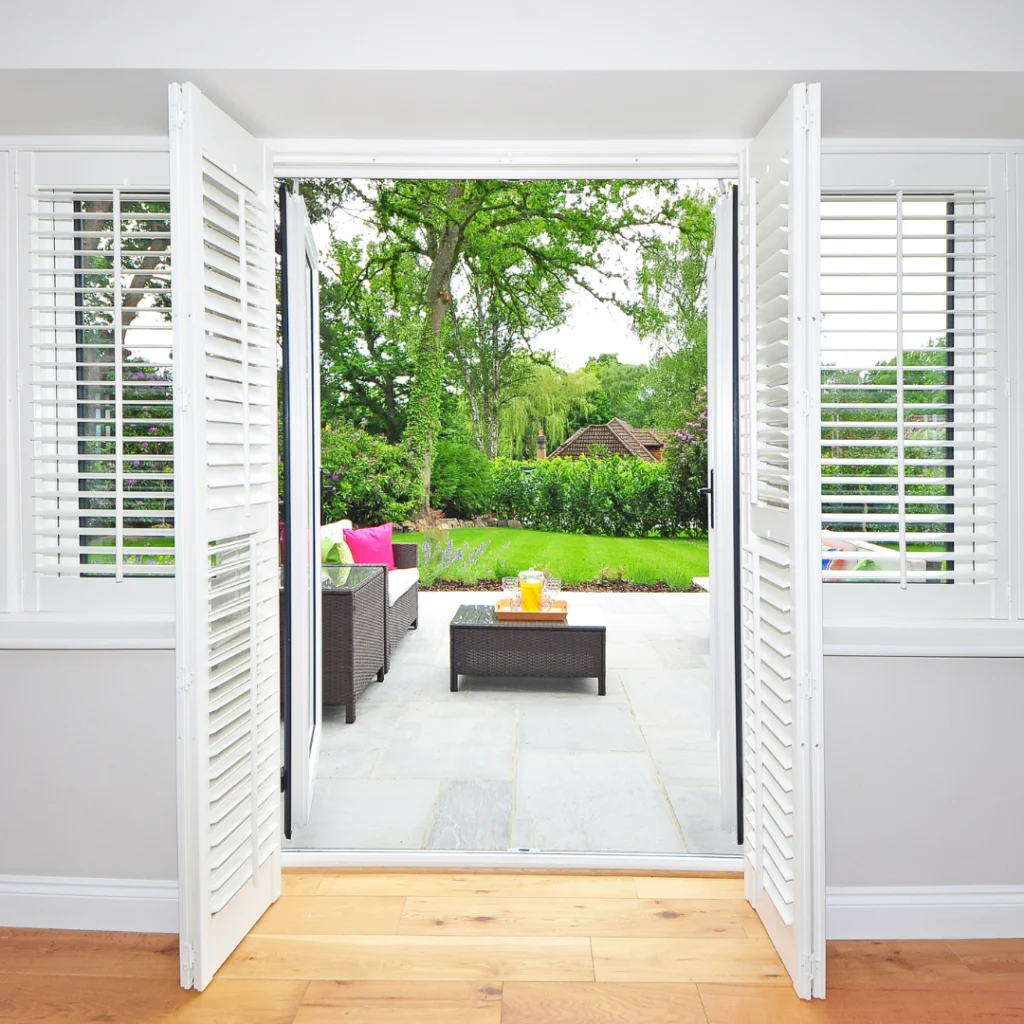
What Blinds Add Most Value? How I Discovered the Secret to Boosting Home Resale Potential Introduction Why Choosing the Right Blinds Matters for Home Value When it comes to increasing your home’s resale value, most people immediately think of large renovations—kitchen remodels, new flooring, or bathroom upgrades. I used to think the same. However, during my journey of preparing my home for future resale, I made an unexpected discovery: window treatments, especially blinds, can dramatically boost property value.Choosing the right blinds isn’t just about decorating; it’s about creating a comfortable, stylish, and energy-efficient space that appeals to potential buyers. Small upgrades can leave a lasting impression and translate into real financial gain. How Window Treatments Influence Property Value Small Changes That Make a Big Difference Real estate professionals consistently emphasize how buyers notice details—even the ones we think are minor. Window treatments play a crucial role in shaping a buyer’s first impression.During my research and consultations with experts, I learned that homes with quality blinds feel more polished, better maintained, and even more spacious. Good blinds enhance natural light, improve insulation, and contribute to the overall aesthetic—qualities every buyer seeks.Rather than spending thousands on massive projects, I realized that a strategic investment in stylish blinds could offer a high return with much less hassle. Why Blinds Are a Smart Investment The Balance Between Functionality, Style, and Comfort Among all window treatments, blinds stood out for their unique balance of practicality and elegance.When choosing new coverings, I prioritized: Maximizing natural light without sacrificing privacy Enhancing insulation for better energy efficiency Complementing the existing décor of each room Selecting durable, low-maintenance materials Once I installed my new blinds, the transformation was immediate. My rooms looked cleaner, brighter, and more sophisticated. The simple, timeless design not only elevated the visual appeal but also made spaces feel larger and more welcoming.Blinds offer buyers exactly what they desire: a functional, stylish solution that fits seamlessly into their lifestyle. Types of Blinds That Add the Most Value Classic Choices Buyers Love Not all blinds are created equal. Some types particularly add more perceived value to a home: Wooden Blinds: Timeless, elegant, and durable. Perfect for classic or luxury interiors. Faux Wood Blinds: A budget-friendly alternative that offers moisture resistance—great for kitchens and bathrooms. Motorized Blinds: High-tech convenience appeals to modern buyers looking for smart-home features. Vertical Blinds: Ideal for large windows and sliding doors, adding clean lines and easy functionality. When choosing my blinds, I leaned towards real wood blinds in main areas like the living room, paired with faux wood options in moisture-prone spaces.This combination not only made the rooms look cohesive but also showed prospective buyers that every part of the home was thoughtfully curated. Bonus Features That Boost Appeal Even More Motorized Blinds and Smart Solutions One tip I learned early? Motorization sells.Installing motorized blinds in key areas like living rooms or master bedrooms immediately upgraded the perception of my home’s value.Buyers are drawn to convenience, and remote-controlled window treatments add a touch of luxury without feeling extravagant. Especially for hard-to-reach windows, motorized blinds were a game-changer. I could control light and privacy at the touch of a button, and buyers appreciated the effortless functionality.If you want to stand out in today’s tech-savvy market, smart blinds are a worthy investment. Other Window Treatments Worth Considering Shades, Drapes, and Custom Options While blinds were the primary focus of my upgrade, I also considered other stylish alternatives: Roller Shades: Sleek and versatile, ideal for modern interiors. Cellular Shades: Perfect for insulating sun-facing rooms. Solar Shades: Great for protecting furniture and minimizing glare. Custom Drapes: Add a luxurious feel to formal areas like dining rooms. Ultimately, blinds offered the best mix of cost-efficiency, practicality, and wide appeal, but incorporating a few custom drapes helped polish off my more formal spaces. Key Factors When Choosing the Right Blinds Light, Insulation, Aesthetics, and Durability Choosing blinds isn’t just about picking a pretty style.Here’s what I focused on: Natural Light: Maximizing brightness without sacrificing privacy. Energy Efficiency: Choosing materials that help regulate indoor temperature. Home Style: Matching blinds to the overall décor. Material Quality: Prioritizing durability for a lasting investment. Cheap blinds can actually hurt your home’s perceived value. I invested in quality, well-designed products that instantly felt substantial and luxurious. Buyers can sense the difference—even if they can’t always articulate it. How Quality and Customization Make a Difference Impress Buyers with Thoughtful Details One of the biggest lessons I learned is that customization matters.Standard blinds are fine, but custom-fitted blinds for unique windows—like arched or oversized designs—make a massive impression. Buyers love walking into a home where every window is beautifully dressed. It saves them money and time after purchase, making the home immediately more move-in ready and valuable. Final Thoughts: Are Blinds Worth the Investment? How They Help Boost Home Resale Potential From my personal experience, the answer is a resounding yes.Installing thoughtfully chosen blinds improved my daily living comfort and boosted my home’s appeal for future buyers.Window treatments might seem like a small upgrade, but when done right, they create a significant emotional connection with buyers—something that directly impacts their willingness to pay a higher price. If you’re looking for a simple, high-impact way to increase your home’s value, start with the windows. Beautiful, functional, and durable blinds can make all the difference.
What Is the Cheapest Way to Shade Windows?
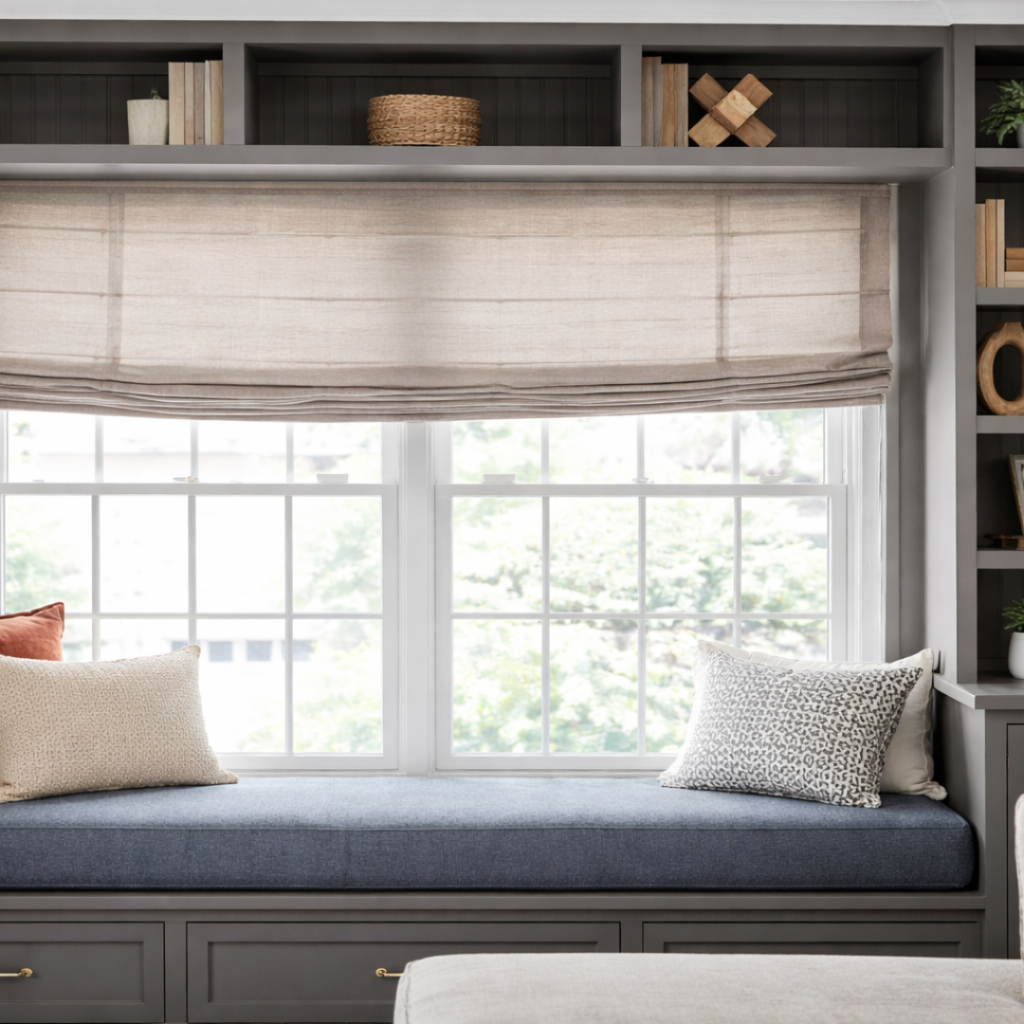
What Is the Cheapest Way to Shade Windows? Introduction: Finding the Best Cheap Ways to Shade Your Windows Shading your windows doesn’t have to drain your bank account. Whether you’re upgrading an entire home or just refreshing one room, affordable window treatments can provide style, privacy, and light control without the high price tag. In today’s market, there are so many budget-friendly options that combine aesthetics and functionality. When I needed to upgrade my window treatments on a budget, I discovered that ordering from an online retailer like Factory Direct Blinds made all the difference. They offered free shipping, competitive prices, and a wide selection of beautiful, affordable blinds and shades. Let’s explore how you can do the same and find the best inexpensive ways to shade your windows! Why Budget-Friendly Window Treatments Are a Smart Choice Budget-friendly window treatments offer more than just cost savings—they also give you the flexibility to customize your home while keeping it stylish. Affordable blinds and shades don’t mean sacrificing quality or design anymore. When I looked into it, I found out that options like faux wood blinds not only cost less than real wood blinds but also last longer and resist moisture, making them a smart investment for both kitchens and bathrooms. Plus, budget treatments often come with perks like free samples and custom sizing, which adds extra value. In short, affordable window solutions allow you to refresh your space, protect your furniture from sun damage, increase energy efficiency, and enhance privacy—all without overextending your finances. Top Affordable Options for Shading Your Windows Mini Blinds: Classic and Cost-Effective Mini blinds have always been at the top of the list when it comes to affordable window coverings. They are simple, reliable, and incredibly wallet-friendly. I personally found mini blinds to be an excellent quick fix, especially for rooms where functionality was more important than luxury. Their lightweight design makes them easy to install, and they come in a variety of colors to match any decor. Best of all, mini blinds can often be found at discounted rates online, especially if you order in bulk. Faux Wood Blinds: Style on a Budget If you love the look of real wood but not the price tag, faux wood blinds are the perfect solution. I absolutely love them because they deliver a traditional, classy look without costing a fortune. They’re also more durable and resistant to moisture than real wood—a major advantage in humid areas. Factory Direct Blinds offered a range of faux wood blinds at surprisingly affordable prices, allowing me to upgrade several rooms without feeling the financial pinch. Roller Shades: Simple, Versatile, and Affordable Roller shades are another fantastic option for budget-conscious homeowners. They offer a clean, minimalist look and come in a variety of fabrics and colors. I found light filtering roller blinds especially ideal for bedrooms where you want to maintain privacy while still letting some natural light in. Roller shades are easy to maintain, easy to install, and incredibly cost-effective, making them a popular choice for nearly any room in the house. Roman Shades: Elegant and Budget-Friendly If you’re looking for something soft and elegant, Roman shades are a great option. I installed Roman shades in my living room, and they brought a cozy, polished feel without breaking my budget. The layered fabric design adds a sophisticated touch that elevates any space. With so many affordable fabric options available, it’s easy to customize Roman shades to fit your style and needs. Cellular Shades: Energy-Efficient and Economical Cellular shades (also known as honeycomb shades) are an economical and energy-saving choice. I was initially hesitant because some people say they look cheap, but after getting a few free samples, I realized they actually look quite stylish when chosen carefully. Cellular shades not only trap air for insulation, helping lower energy bills, but also come in beautiful patterns and colors that can complement any room’s decor. Custom Cheap Blinds for Non-Standard Windows Not all windows come in standard sizes—and that’s okay! One of the best things I discovered is that Factory Direct Blinds offers custom window treatments at discounted rates. Whether you have oversized windows or quirky shaped frames, custom blinds ensure a perfect fit without the premium price you’d expect. Plus, they often offer commercial bidding programs if you’re outfitting multiple windows in larger buildings, providing even more opportunities to save. How to Measure Your Windows for Budget Blinds Measuring your windows correctly is critical if you want your affordable blinds to fit perfectly. Here’s how I did it: Step 1: Decide if you want inside or outside mount blinds. Step 2: For an inside mount, measure the width at the top, middle, and bottom, and use the narrowest measurement (to the nearest 1/8”). Step 3: Measure the height at the left, center, and right, and use the longest measurement. Step 4: For outside mounts, follow specific measuring instructions depending on the blind type. Following these steps saved me from costly mistakes and ensured my blinds fit like a glove. Tips to Save Even More: Free Samples and Online Discounts One of the smartest moves you can make is to order free samples before committing. I ordered up to 10 free samples from Factory Direct Blinds, which helped me match colors perfectly to my walls and decor. Also, by ordering directly online, I bypassed middlemen, took advantage of free shipping, and grabbed some online-only discounts. Shopping smart online can literally save you hundreds of dollars when outfitting multiple windows. Shades vs. Blinds: Which Is the Cheaper Option? If you’re wondering whether shades are cheaper than blinds, the answer is: it depends. Basic roller shades tend to be very affordable, even more so than some blinds. However, custom shades can sometimes be pricier. When outfitting my home, I mixed and matched—using roller shades for bedrooms and faux wood blinds for living areas. This way, I kept costs low while maximizing style and functionality across the board. Do
What is better than window blinds?
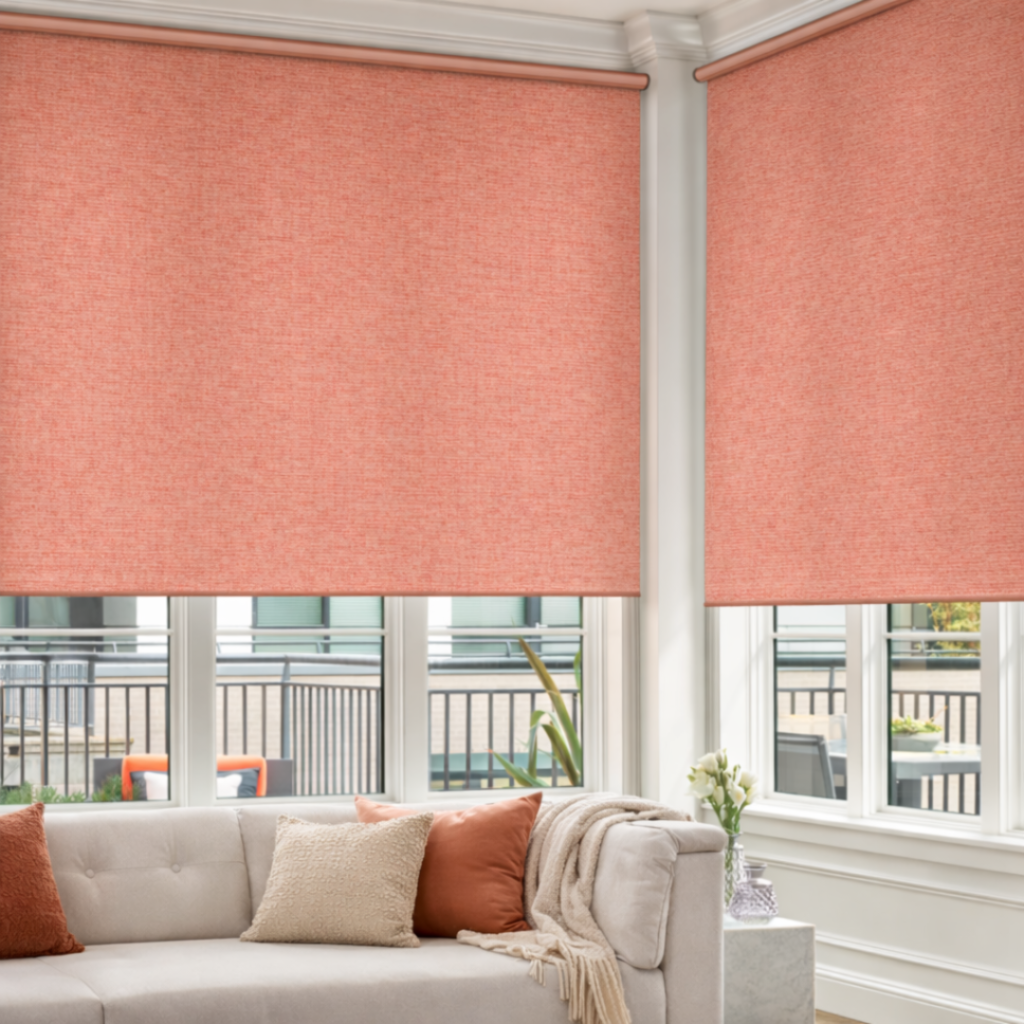
What Is Better Than Window Blinds? A Full Guide to Finding the Perfect Window Treatment Understanding the Basics: Blinds vs. Shades When I first started redesigning my living space, I thought “blinds” and “shades” were just different words for the same thing. It wasn’t until I dove deeper that I realized how fundamentally different they are. Blinds are made of rigid horizontal slats that you can tilt, raise, or lower to control light and privacy. Shades, meanwhile, are made of softer fabrics and can only be raised or lowered, although some innovative designs allow for subtle light diffusion. Understanding these basic differences is crucial when deciding what’s better for your home: flexibility or simplicity. Key Factors to Consider When Choosing Window Treatments Light Control and Privacy Management For me, the biggest question was: “How do I want to manage privacy and natural light?” Blinds offered incredible flexibility. Being able to tilt the slats allowed me to adjust brightness and privacy at any time of day. Shades looked beautiful but only gave me an all-or-nothing option — either fully open or fully closed. If light control is high on your list, blinds will probably serve you better. Cleaning and Maintenance I found that cleaning blinds was as easy as a quick wipe with a cloth. Shades, however, required more delicate care depending on the fabric. Some shades demanded vacuuming or professional cleaning to stay fresh. For a low-maintenance lifestyle, blinds offered a much simpler solution. Durability and Material Strength Blinds, made from tougher materials like wood, vinyl, or aluminum, impressed me with their durability. They stood up better to daily use, pets, and even strong sunlight, without fading or warping. Shades, being fabric-based, are more prone to damage over time — something important if you’re planning for the long haul. Style, Design, and Aesthetic Appeal Both blinds and shades have beautiful design options. Shades often feel softer and cozier, while blinds can look crisp, modern, and clean. I almost went for Roman shades for their luxurious folds, and woven wood shades for their earthy, natural feel. But ultimately, the versatility and finish options of blinds won me over. Energy Efficiency and Insulation During my research, I discovered that honeycomb shades (also called cellular shades) are fantastic for insulation. Their layered design traps air, making homes more energy-efficient. If energy savings are a top priority, shades may beat blinds in this category. Child Safety Features Since I have little ones running around, child safety was non-negotiable. I chose cordless blinds to eliminate any risk posed by dangling cords. Today, many modern blinds and shades come with cordless or motorized options — a huge plus for families. Price and Budget Considerations Naturally, costs varied depending on material, size, and customization. I was pleasantly surprised to find high-quality blinds at a reasonable price point that didn’t sacrifice style or durability. Both blinds and shades offer a wide range of options to fit any budget, but your final cost will depend on the specific features you prioritize. Why Blinds Were the Best Choice for My Home After all my research and hands-on exploration, I fell in love with blinds. They weren’t just a practical choice — they became an essential part of the atmosphere of my rooms. Horizontal and vertical slats gave me total command over the sunlight pouring in, and the wide range of finishes and colors allowed me to seamlessly match my blinds to my home’s decor. Plus, knowing that certain blinds are engineered to resist heat, humidity, and UV damage gave me extra confidence that they would last for years. Final Thoughts: Blinds or Shades — Which One Fits Your Life? After everything, one truth stood out: there’s no universal “better” choice between blinds and shades. It all depends on what you value most: Light control? Go for blinds. Energy efficiency? Shades might be your hero. Ease of cleaning? Blinds again. Soft, elegant aesthetics? Shades win. For my lifestyle, blinds offered the perfect balance of functionality, durability, and beauty.But your needs, habits, and home vibe will guide you to the right decision. Trust me, once you find the perfect window covering, it transforms your entire living space into something truly special.
Inside or Outside Mount Blinds: Which One Looks Better and Works Best?
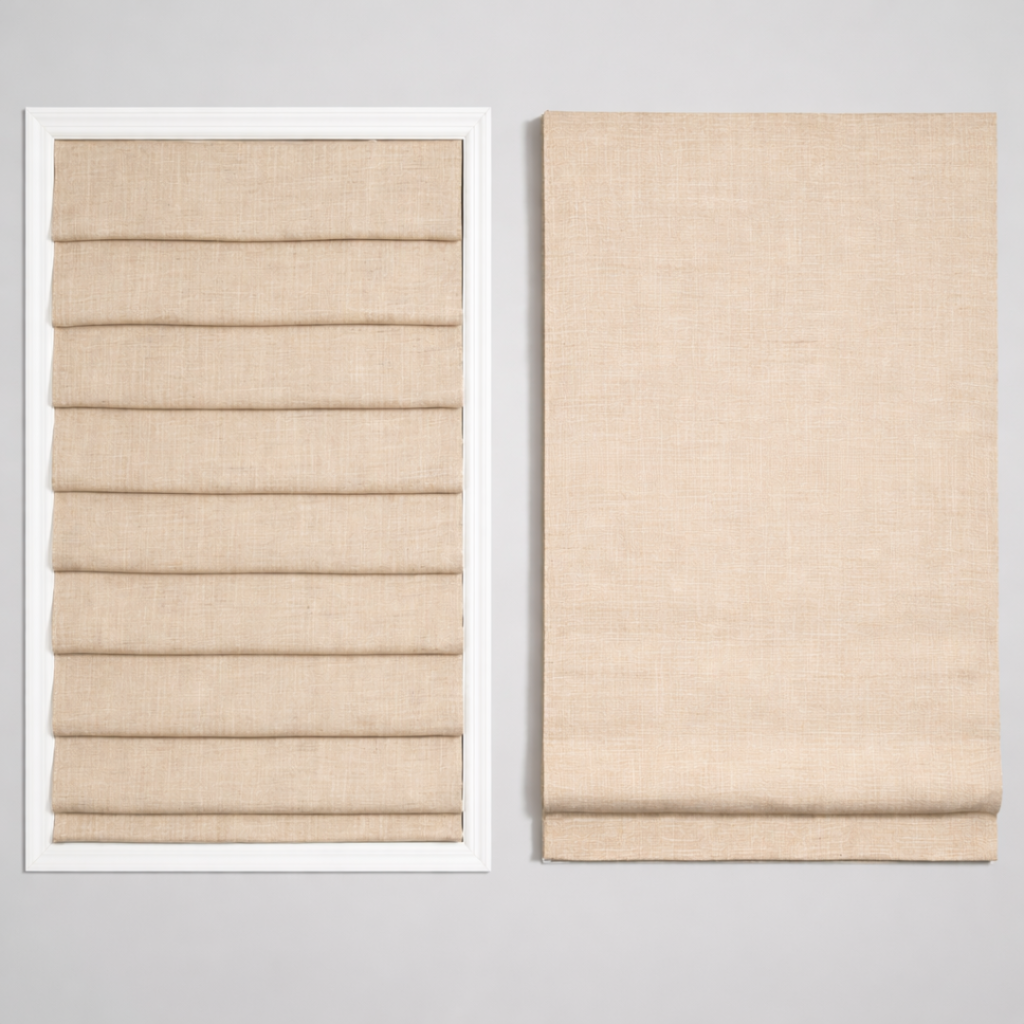
Inside or Outside Mount Blinds: Which One Looks Better and Works Best? Choosing window treatments isn’t just about colors or materials—it’s also about how your blinds are mounted. One of the most commonly overlooked yet crucial questions when shopping for blinds is: Do blinds look better inside or outside the window frame? The answer depends on your space, style preferences, and functional needs. In this in-depth guide, we’ll break down the key differences, the pros and cons of each option, and help you decide which mounting style is best for your home. Understanding the Difference Between Inside and Outside Mount Blinds Before diving into aesthetics and functionality, it’s essential to understand what each type of mount actually means. Inside Mount: Blinds are installed within the window frame, sitting flush with the opening. Outside Mount: Blinds are mounted above or beyond the window frame, covering a larger area than just the glass. The choice isn’t just about where the brackets go—it impacts how the blinds look, how they function, and how well they control light and privacy. Pros and Cons of Inside Mount Blinds Clean, Minimalist Look One of the biggest draws of inside mount blinds is their sleek appearance. They fit neatly within the window frame, making them almost appear built-in. “The first time I saw inside mount blinds, I instantly loved how sleek they looked. They sit neatly inside the window frame, so they don’t stick out into the room. This makes the space feel more open and uncluttered.” This makes them a top pick for rooms with a modern or minimalist aesthetic. Keep the Sill Clear Inside mounts allow full use of your window sill. Whether you’re displaying candles, plants, or photos, the blinds won’t get in the way. “I was able to keep using the window sill for decoration — candles, succulents, little photo frames — and the blinds didn’t interfere with any of it.” Less Light Control The biggest drawback? Gaps. Because the blinds are fitted inside the frame, small gaps can let in light around the edges. While that may not bother everyone, it’s a dealbreaker for those who prefer total darkness. “The only issue I noticed was that a small amount of light still seeped through the sides, especially in the morning. For me, it wasn’t a big deal. But if you’re sensitive to light, it’s something to keep in mind.” Frame Depth Required You’ll need a deep enough frame to support the brackets and the full mechanism of the blinds. Shallow window frames may not be compatible. Pros and Cons of Outside Mount Blinds Superior Light Blocking If you’re looking to block out every last ray of sunlight, outside mounts are the better choice. “In my bedroom — where I really needed to block out light — I went with outside mount blinds. The difference in light control was huge. No more side light slipping in around the edges.” These blinds extend beyond the frame, creating a better seal around the window and improving both privacy and light management. Make Windows Appear Larger An outside mount can create the illusion of a bigger window, especially when the blinds are extended wider and higher than the actual frame. “I liked how the outside mount made my small bedroom windows look bigger. Visually, it gave the illusion of taller, more substantial windows.” This is a useful trick in small or dark rooms that need a sense of openness. Ideal for Shallow or Obstructed Frames Some window frames aren’t deep enough for inside mounts—or they have cranks, levers, or unusual trim. “In my home office, the window frame was too shallow to fit a proper inside mount, so it wasn’t even an option. The outside mount gave me flexibility and still looked polished once everything was installed.” ❌ More Visually Prominent Because outside mounts extend past the window trim, they’re more noticeable. This may be a negative if you’re aiming for a subtle, streamlined look. May Obstruct Wall Decor or Shelving Depending on placement, outside-mounted blinds can overlap with nearby furniture, art, or shelving. Factors to Consider When Choosing Your Mounting Style There’s no one-size-fits-all answer. Instead, consider the following factors to guide your decision: Light Control Go with outside mount if complete darkness or minimal light leakage is essential—ideal for bedrooms, media rooms, or nurseries. Choose inside mount if some ambient light is acceptable or desired, especially in living areas or kitchens. 📏 Window Frame Depth Measure carefully. Inside mount requires sufficient depth to support the headrail. If your window frame is less than 1½ inches deep, outside mount may be your only viable option. “Frame Depth: If your window frame is too shallow, outside mount may be your only choice.” 🛋️ Room Functionality and Usage Living rooms often benefit from inside mounts, especially when you want to use the sill or have furniture near the window. Bedrooms and offices may demand outside mounts for better blackout potential and visual balance. “Functionality: Think about how you use your space. If you need to keep the window sill clear, inside mount is ideal.” 🎨 Visual Impact and Style Inside mount suits clean, modern aesthetics. Outside mount can create a more traditional or dramatic statement. “Aesthetic Preference: Inside mounts give a minimal, built-in look. Outside mounts are bolder and can make windows seem larger.” Real-Life Scenarios: When Each Mount Works Best Let’s explore practical examples where each type truly shines: Living Room: Inside Mount for Elegance and Space If your living room includes shelves, plants, or decorative trim, an inside mount preserves that look. “In my living room, I already had floating shelves and plants close to the windows. The inside mount kept everything tidy and harmonious.” Bedroom: Outside Mount for Blackout Efficiency Want to sleep in without morning light waking you up? Outside mount is your best friend. “No more morning light creeping in. My sleep quality actually improved once I switched.” Home Office: Outside Mount
What Blinds Are Private but Let Light In? The Ultimate Guide to Bright Privacy
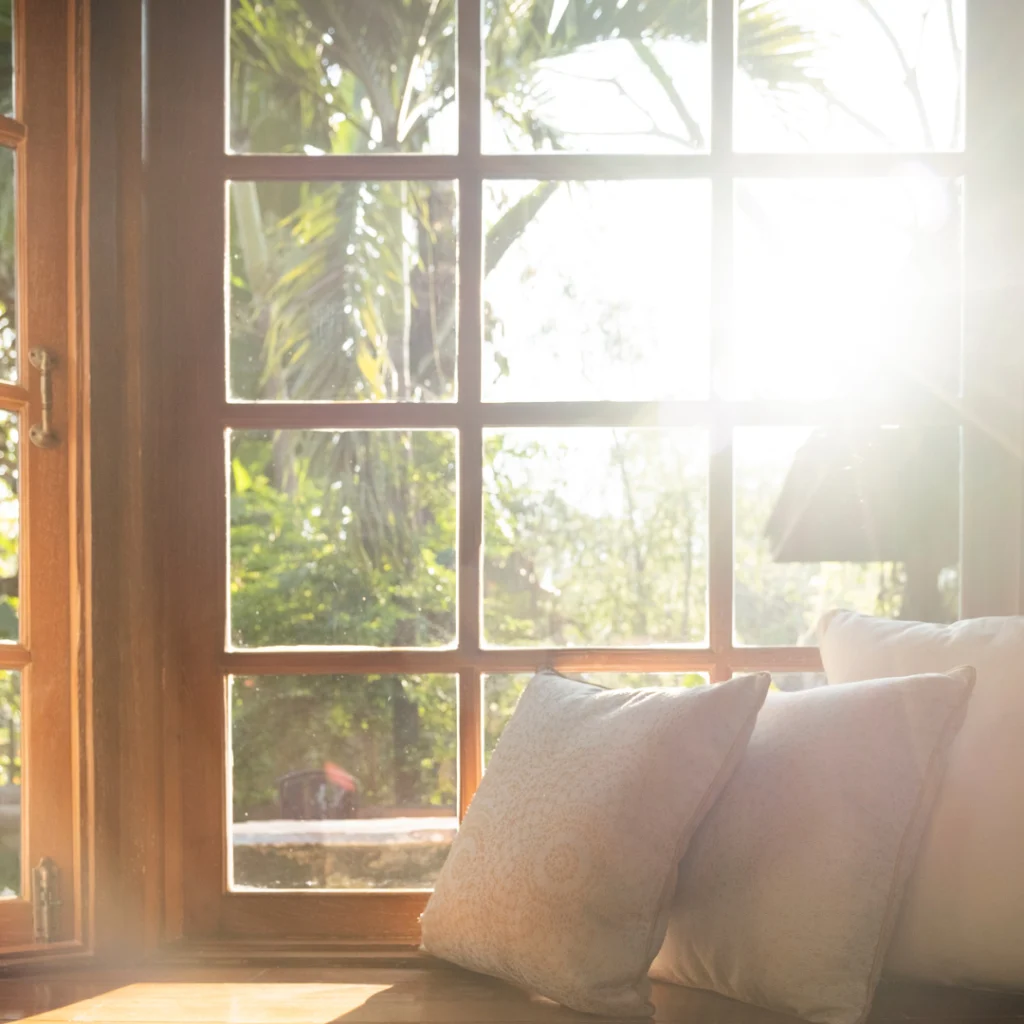
What Blinds Are Private but Let Light In? The Ultimate Guide to Bright Privacy Introduction: Finding the Balance Between Privacy and Natural Light Let’s face it — we all want that beautiful, natural sunlight streaming into our homes during the day. It makes any space feel more open, alive, and welcoming. But when the sun goes down? Privacy becomes non-negotiable. That’s where the right blinds and shades come into play. Choosing window treatments that let in light and provide privacy might sound like a contradiction, but the truth is — the right window coverings can do both. And I’ve gone down that rabbit hole myself, testing, comparing, and figuring out which options truly deliver. So, if you’re wondering what blinds are private but let light in, you’re in the right place. This guide breaks it all down with practical info, real-world experience, and advice you can trust. Understanding Light-Filtering and Privacy Blinds The magic lies in material and design. Some blinds and shades are made from translucent fabrics that filter natural light while obscuring the view from outside. Others offer full control, allowing you to adjust how much light and privacy you want at any given time. Common types of light-filtering privacy options include: Sheer shades (great during the day, still private) Cellular shades with top-down/bottom-up control Solar shades (good during the day, tricky at night) Layered options, combining shades with curtains The key is balance: filter light without exposing your space. Not all blinds are created equal, and not all of them will work for every room or every budget. That’s why I tested them myself. Top Blinds That Let Light In But Keep Your Home Private 1. Sheer Shades If you’re looking for soft natural light without sacrificing privacy, sheer shades are a top contender. These are made from layered fabrics with vanes in between — think of them as a hybrid between blinds and curtains. Pros: Great during the day Softens harsh sunlight Allows filtered light while limiting visibility from outside Cons: Not ideal for full nighttime privacy unless paired with a liner Light filtering only — not blackout 💡 “Sheer shades are ideal for those who want to benefit from plenty of natural light during the day but still have their privacy at night.” 2. Cellular Shades (Top-Down Bottom-Up) These shades are a lifesaver when you want control over light and privacy. I love how they can be lowered from the top or raised from the bottom, giving you customizable coverage. Pros: Superior insulation and energy efficiency Available in light-filtering or blackout fabrics Allows light from above while blocking direct lines of sight Cons: Can be expensive Requires precise measuring and installation 💡 “Cellular shades offer all kinds of benefits… the top down bottom up feature is excellent for privacy at night.” 3. Solar Shades Need to reduce glare, keep UV rays out, and still enjoy your view? Solar shades might be your pick. They’re sleek, modern, and effective — during the day. Pros: Filters light beautifully Blocks UV rays and reduces heat Maintains outside view while providing daytime privacy Cons: Not very private at night when interior lights are on May require layering with curtains for full coverage 💡 “Solar shades are a great option if you want daytime light control as well as nighttime privacy… but you won’t get a clear view out during the day.” 4. Roman Shades Stylish and functional, roman shades provide complete coverage when lowered. With fabric choices ranging from sheer to blackout, you can fine-tune the light-to-privacy ratio. Pros: Elegant aesthetic Customizable fabrics for light filtering or full blackout Excellent for bedrooms and living rooms Cons: Not ideal for modern/minimalist interiors Typically more expensive 💡 “Roman shades are an excellent choice. They cover the entire window and come in light-filtering and blackout options.” 5. Roller Shades Simple, practical, and effective — roller shades are one of my favorite budget-friendly solutions. Pros: Full window coverage Light-filtering and blackout options Clean and modern look Cons: Limited design choices May need layering for more style or insulation 💡 “Roller shades are incredibly practical. They’re affordable, provide excellent light control, and offer complete privacy when lowered.” 6. Bamboo and Woven Wood Shades Looking for a natural, earthy vibe? Bamboo and woven wood shades offer texture and partial privacy — especially when layered with liners. Pros: Great aesthetic Filters light naturally Eco-friendly option Cons: Gaps between slats may reduce privacy Installation can be tricky 💡 “Woven wood shades… provide complete privacy while still allowing some light to enter your home.” 7. Panel Track Shades These large fabric panels slide across a track, offering flexible coverage for larger windows or sliding glass doors. Pros: Customizable positioning Modern and minimal Good for large or wide windows Cons: May require professional installation Limited in small spaces 💡 “Panel track shades are designed for those who want precise control over light and privacy at night.” 8. Pleated Shades Think of these as the stylish cousin of cellular shades. They offer visual interest and come in light-filtering options. Pros: Decorative and effective Affordable Can be layered with liners Cons: Less insulating than cellular May wear down faster 💡 “Pleated shades suit those who want to add some style to their window coverings without sacrificing privacy.” Which Blinds Offer the Most Privacy Without Blocking Daylight? If privacy is your top priority, go for blackout shades or cellular shades with top-down bottom-up functionality. They offer the most control. For daytime privacy with sunlight, sheer shades and solar shades shine — just remember to add a second layer if night privacy matters. 💬 “Blackout blinds… provide total privacy and darkness when you need it – but they also help with temperature regulation and soundproofing.” Best Rooms to Use Light-Filtering Privacy Shades Bedrooms Privacy is a must. Go with blackout or layered shades to keep light out and intimacy in. Living Rooms Sheer or solar shades let light in while maintaining a cozy, inviting atmosphere. Bathrooms Moisture-resistant, light-filtering shades work well —
What is the New Law for Blinds?
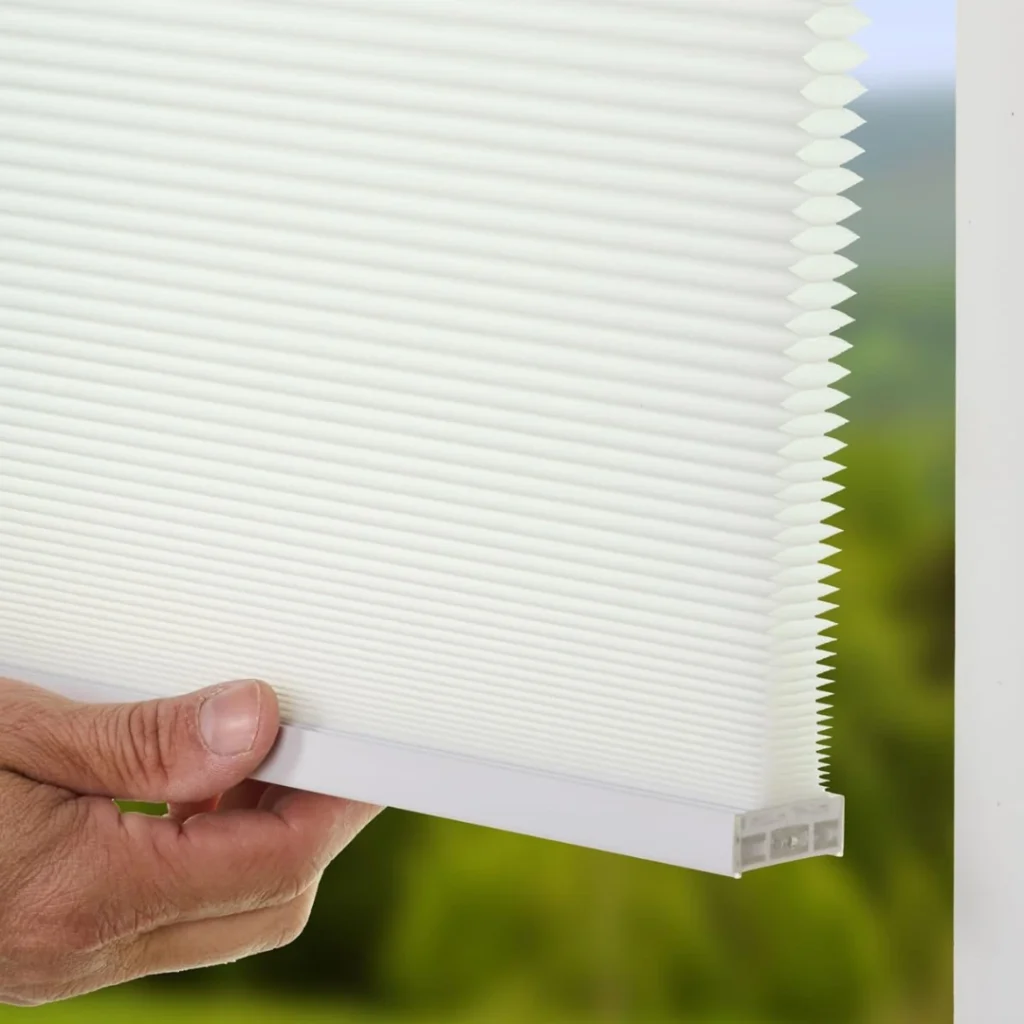
What is the New Law for Blinds? Updating window treatments is no longer just about style or light control — it’s now a matter of safety. As of June 1, 2024, a new law in the United States changes the way window blinds and coverings are manufactured and sold. If you’re a homeowner or planning a home update, here’s everything you need to know about the latest window covering safety standards. Why Window Covering Safety Laws Were Updated Window cords have long posed hidden dangers, particularly to young children and pets. Tragically, incidents of strangulation and injury related to corded blinds led to nationwide advocacy for safer solutions. In response, the Consumer Product Safety Commission (CPSC) has mandated new regulations that aim to eliminate these hazards altogether. The new law now requires that all window treatments sold in the U.S. must either be cordless or feature inaccessible cords. This critical change follows years of industry research, public awareness campaigns, and technological innovation. Key Changes in the New Window Treatment Regulations The updated regulations specifically address two main points: Cordless designs must be the standard for both stock and custom window treatments. If cords are present, they must be inaccessible, ensuring they are out of reach for children and pets. Previously, custom-made blinds were exempt from such strict standards. However, starting June 2024, all products — stock and custom — must comply without exception. These updated standards build upon earlier measures: In January 2018, the Window Covering Manufacturers Association (WCMA) made cordless designs mandatory for stock products. In November 2022, the CPSC extended the rules to cover custom products. Now in June 2024, full compliance is required across the board. Timeline: How Blind Safety Standards Have Evolved Understanding how these changes came to be can help you appreciate their significance: January 2018: Stock window treatments must be cordless or have inaccessible cords. November 2022: Custom window coverings were included under the same safety rules. June 1, 2024: Mandatory compliance for all window coverings — stock and custom. When we decided to update the blinds in our home earlier this year, I had no idea how much the world of window treatments had evolved. It wasn’t just about choosing the right style or color anymore — new safety regulations had changed everything. How the New Law Impacts Homeowners and Buyers If you currently have older, corded window treatments in your home, there’s no legal requirement to replace them immediately. However, any new blinds or shades purchased after June 1, 2024, must meet the new safety standards. After learning about the risks, I personally took the time to audit all the window coverings in my home, especially in rooms where my kids and pets spend the most time. It’s reassuring to know that cordless options are now widely available, safer, and more affordable than ever. Cordless Blinds: A Safer and Smarter Choice The shift towards cordless window treatments isn’t just about safety — it’s also about convenience and style. Cordless blinds and shades offer a sleeker appearance, are easier to operate, and reduce clutter around your windows. Popular cordless options include: Cellular Shades: Great for energy efficiency and light control. Roller Shades: Sleek and modern for any room. Wooden Blinds: Classic design, now with safer cordless lifting systems. Switching to cordless blinds has been one of the best decisions for our family’s safety and our home’s style. Retrofitting Old Blinds: What Are Your Options? If replacing all your window treatments immediately isn’t feasible, retrofitting is a viable option. Solutions include: Tension devices to secure cords out of reach. Cord cleats that wrap excess cords safely. Conversion kits that transform corded blinds into cordless ones. If accessibility is a concern, especially for high windows, motorized blinds offer an excellent alternative — combining safety, ease of use, and modern luxury. Practical Tips to Comply with the New Law Based on my experience, here are practical steps every homeowner should consider: Prioritize cordless window treatments in nurseries, playrooms, and family areas. Keep furniture away from windows with any corded coverings. Upgrade incrementally if a full home update isn’t possible right away. Consult a window treatment professional to retrofit or replace existing blinds safely. Benefits of the New Safety Standards for Families Beyond legal compliance, the benefits of these new rules are enormous: Enhanced child and pet safety: Reduced risks of injury or strangulation. Modern aesthetics: Sleeker, cleaner window treatments without dangling cords. Increased home value: Updated safety features can appeal to future buyers. Peace of mind: Knowing your home environment is safer for your loved ones. Embracing these changes is not just about following the law; it’s about making a conscious decision to protect your family while enhancing the beauty and functionality of your home. Final Thoughts: Embracing Safer, Stylish Window Treatments Switching to cordless blinds and modern window treatments has been one of the best investments for our family’s safety and our home’s aesthetics. It’s amazing to see how regulations are now pushing innovation forward, offering safer, smarter, and absolutely stunning options for every household. If you’re considering an upgrade, now is truly the perfect moment to embrace the latest in window treatment technology — safer, more stylish, and designed with your family’s wellbeing in mind.