ROOM BY ROOM
Where the right hardware
makes the biggest difference.
Hardware is the part of a drapery job most people think about last. It’s also the part that fails first when it’s wrong. Here’s where it matters most.
01
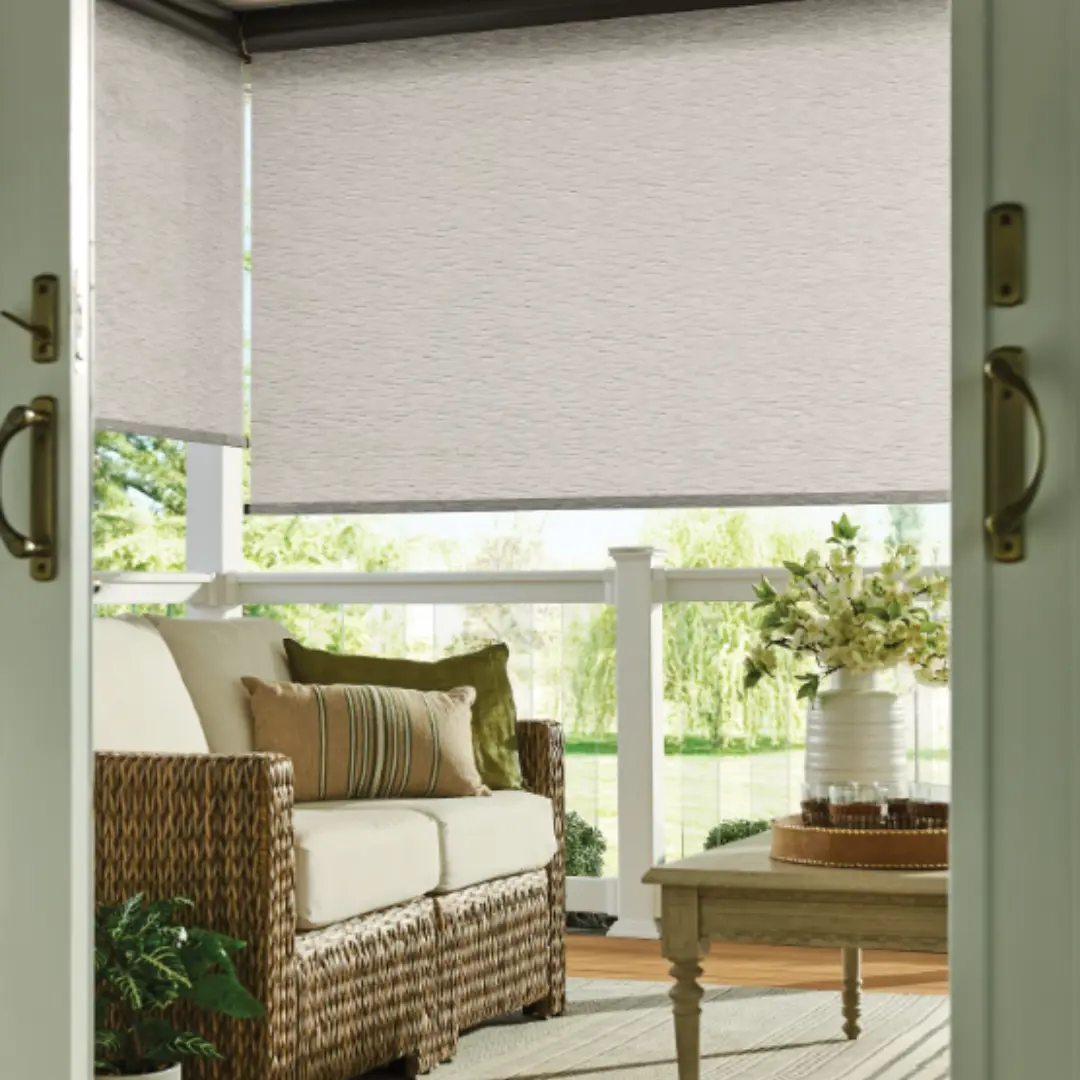
Sliding glass doors and wide windows
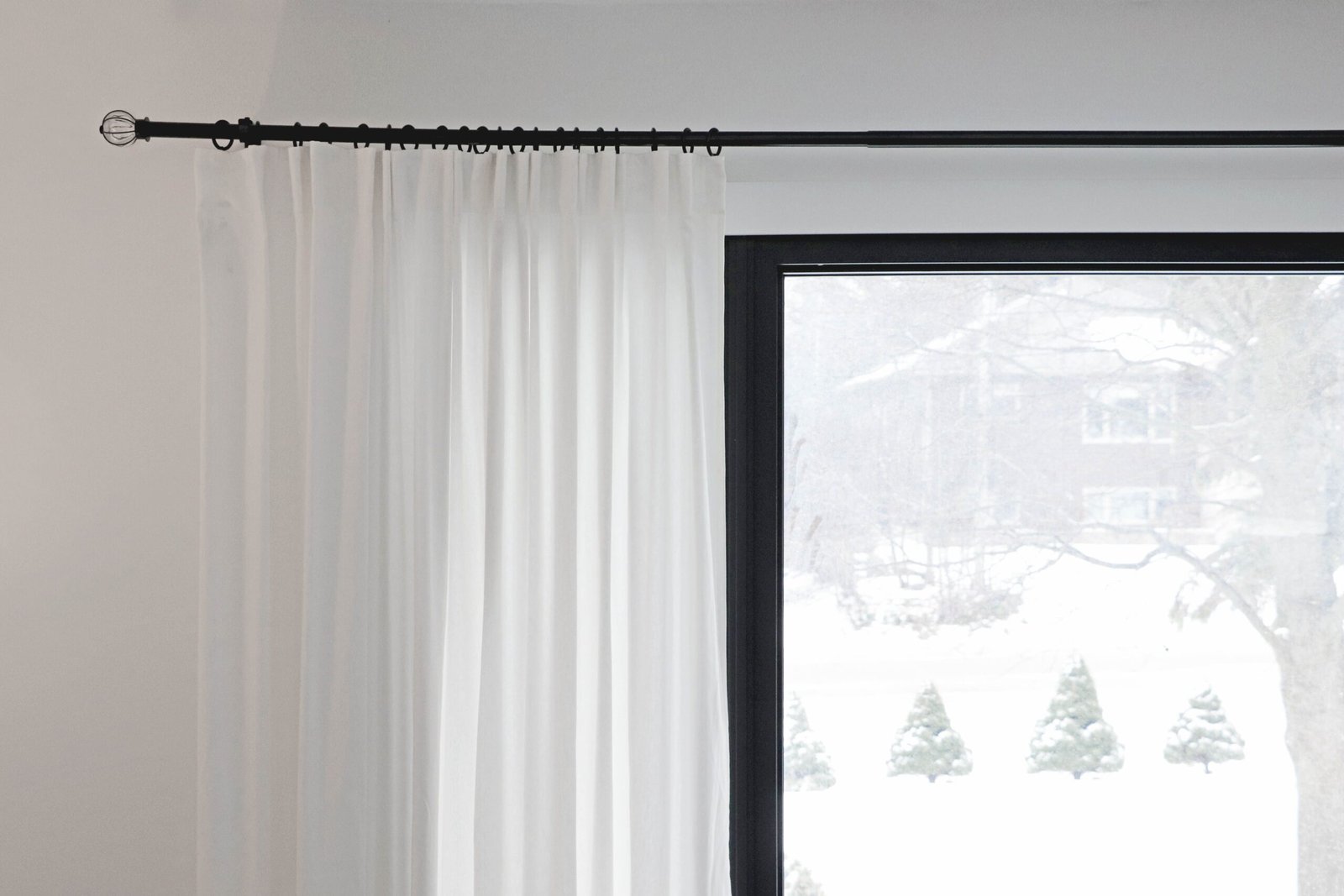
A long span needs a track or a rod with center supports that the rings can pass. Otherwise the drapes catch at every bracket and the rod bows in the middle.
02
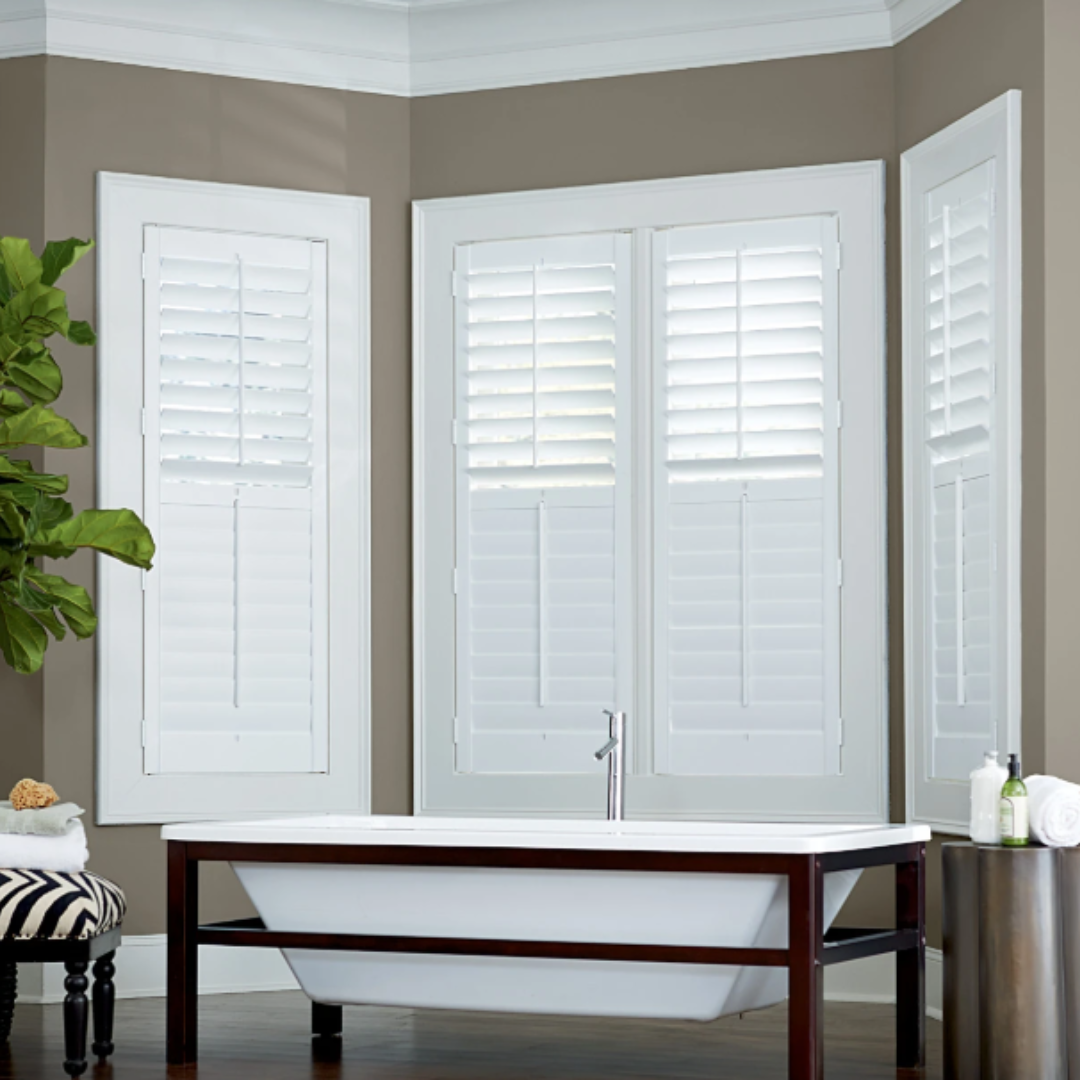
Bay and corner windows
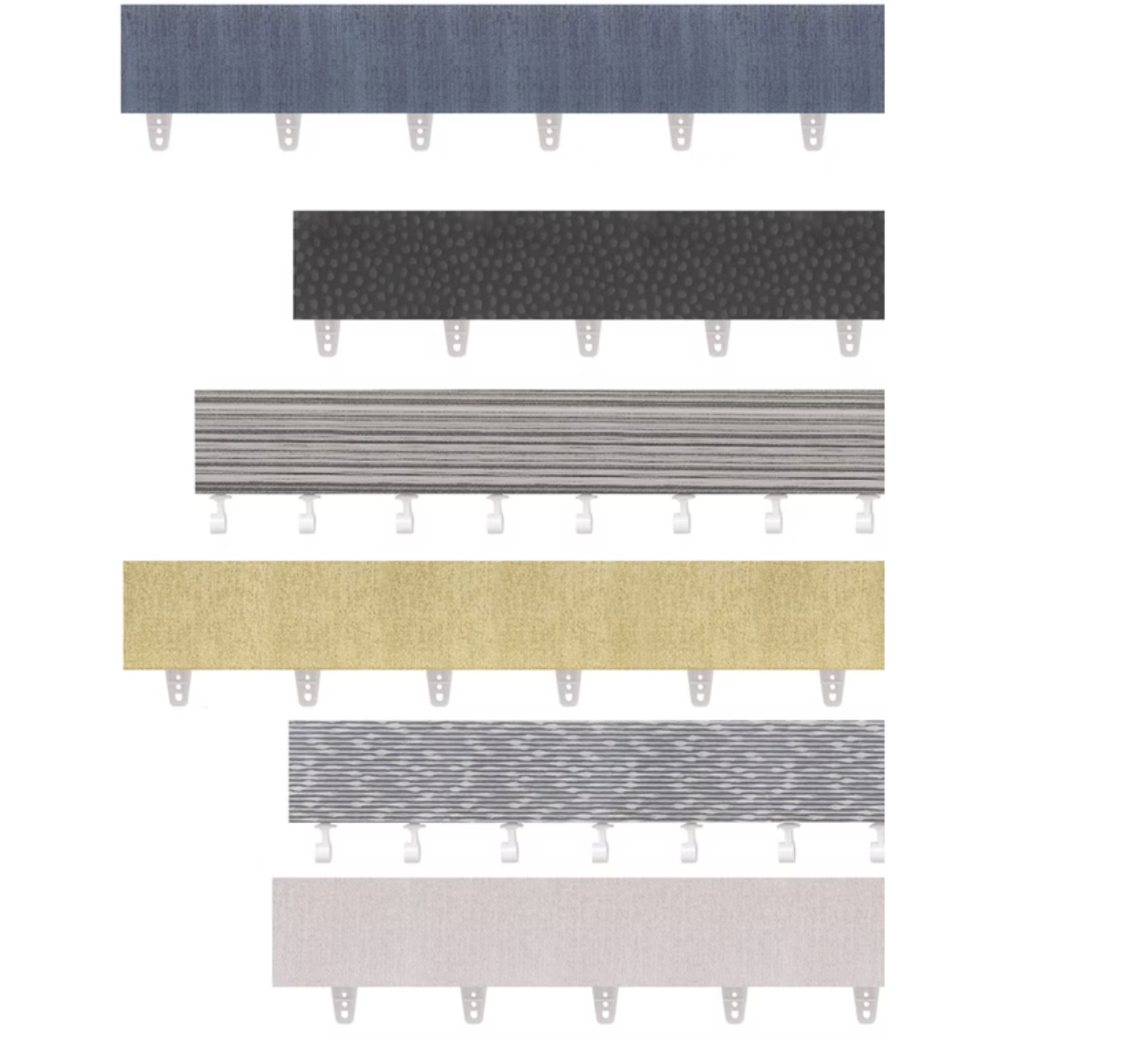
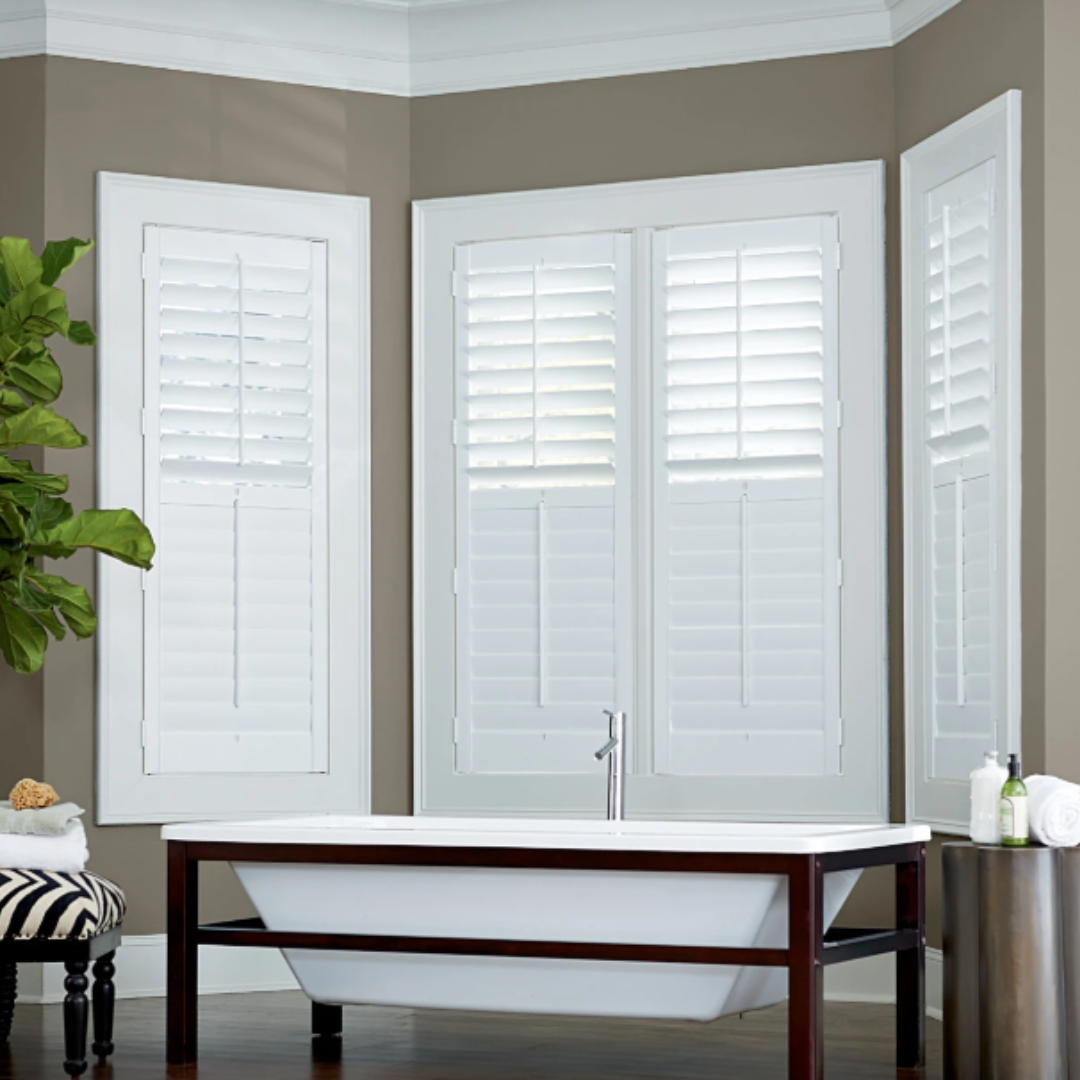
Angled windows need bendable tracks or rods with corner connectors, so the drapes can travel around the bay instead of stopping at every turn.
03
Tall ceilings and two-story windows
Ceiling-mounted tracks and heavy-duty brackets carry long, lined drapes from high up, so the whole wall looks taller and the hardware stays straight.
04
Upgrading drapes you already have
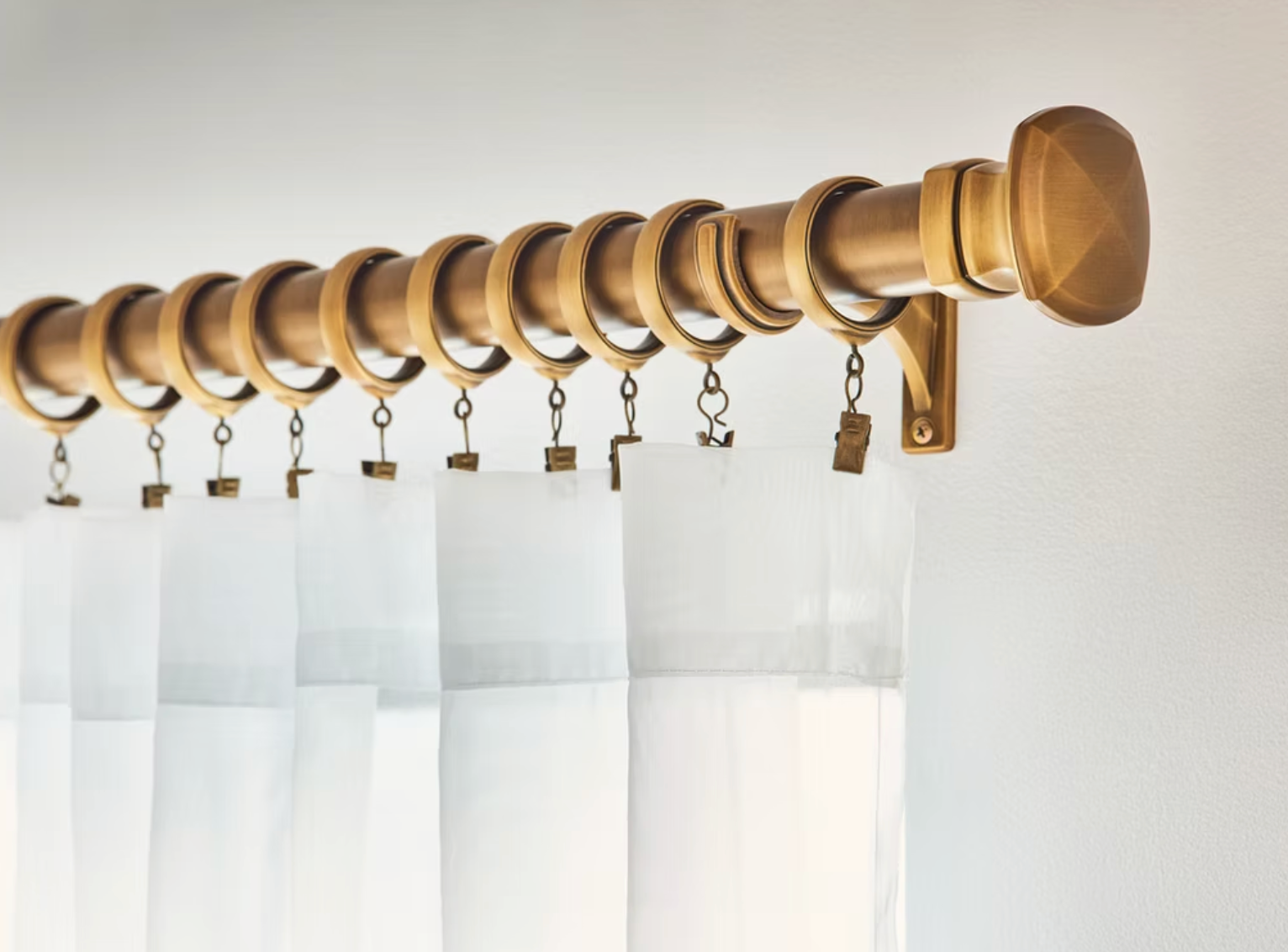
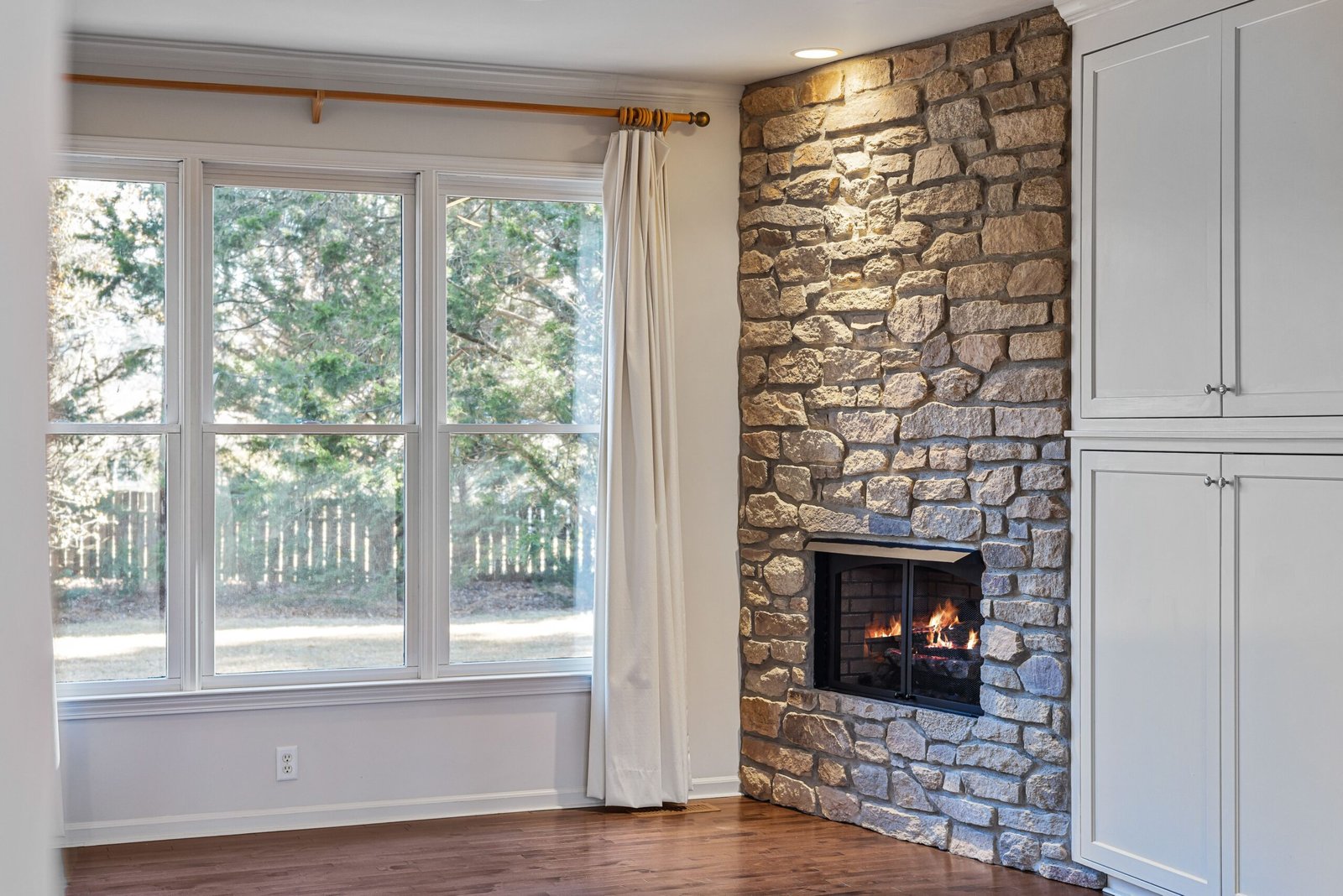
New rods, rings and finials can make existing drapes look new. We check the width and height first, so the change fixes proportions instead of repeating old mistakes.
05
Need new drapes too? Consider custom drapery
If your current drapes are too short, too thin or faded, custom drapery and hardware planned together give the cleanest result.
06
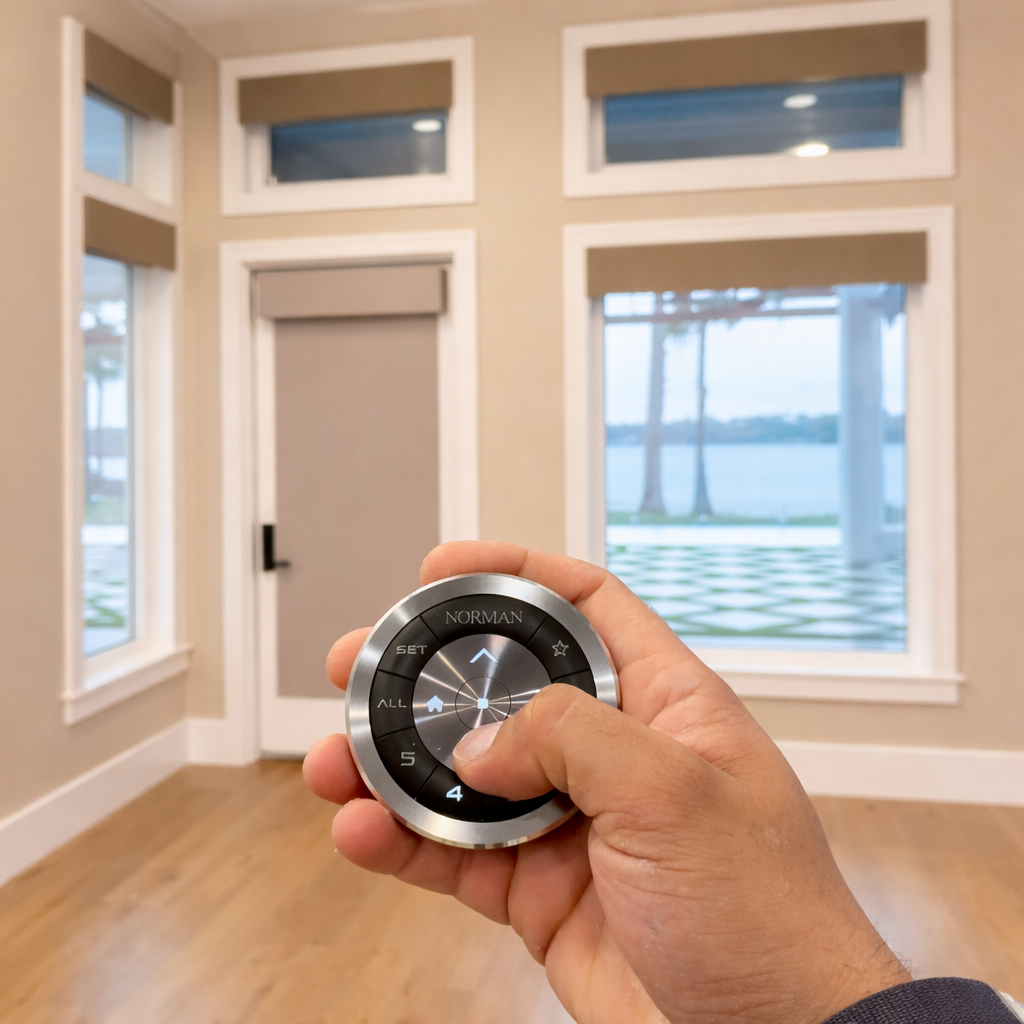
Hard to reach or very heavy? Consider motorized drapes
On two-story windows and wide sliders, motorized drapes do the pulling for you, on a schedule or at the press of a button.
YOUR WINDOWS. YOUR FINISH.
Drapery hardware,
finished for each room.
Rods, rings, finials and tracks, each chosen for the drapes they carry and the wall they mount to. Every measurement and bracket is reviewed with you as part of the installation plan.