

What Is a Roller Shade?
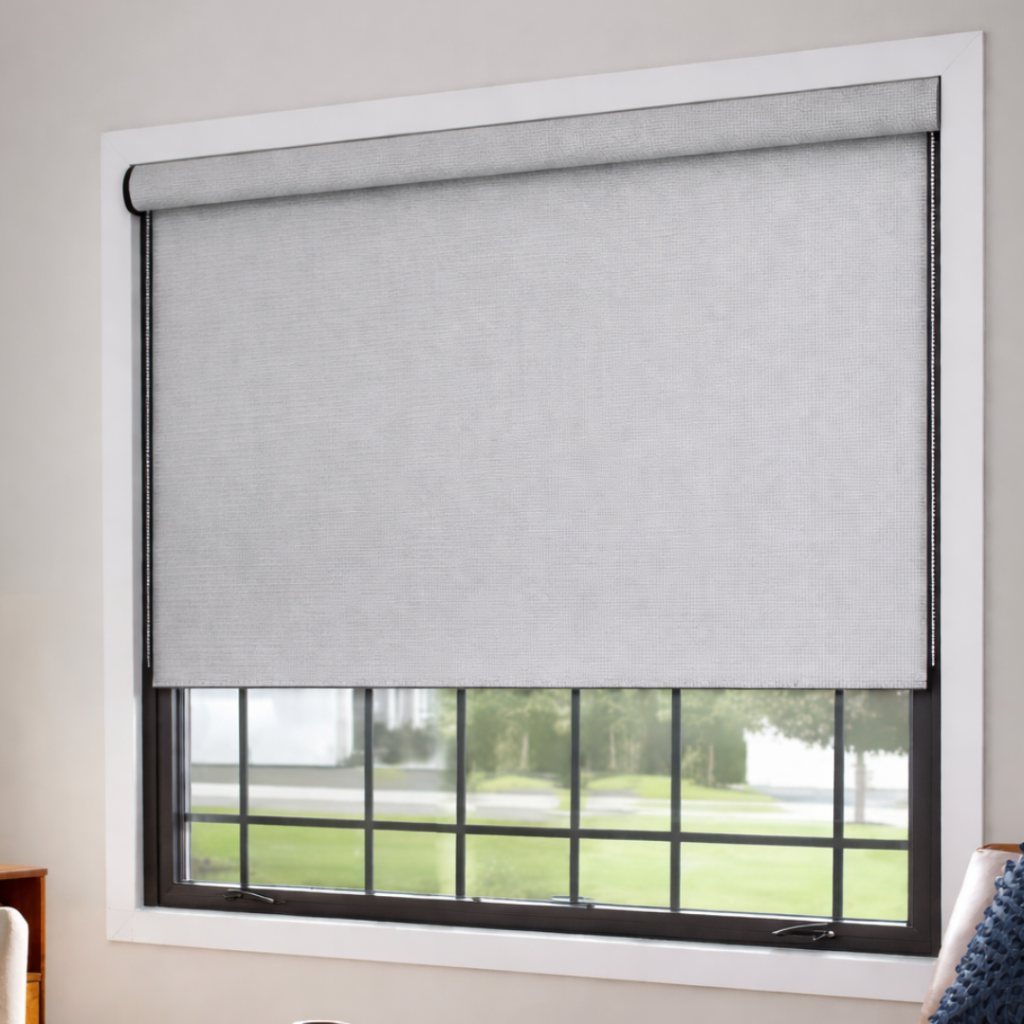
What Is a Roller Shade? Roller shades are more than just window coverings—they’re a design solution for anyone seeking simplicity, style, and function. Whether you’re outfitting your living room, kitchen, or, in my case, a chaotic closet space, roller shades offer a clean, versatile look that adapts to your needs. Understanding Roller Shades How Roller Shades Work A roller shade is a single piece of fabric that rolls up and down around a cylindrical tube. Mounted either inside or outside the window frame, it’s operated manually (via a cord or cordless system) or automatically (with motorization). Simple in mechanics, but impactful in effect. Materials and Styles Available Roller shades come in a wide range of materials: Sheer fabrics for soft light diffusion Light-filtering fabrics for gentle privacy Room-darkening and blackout fabrics for maximum light control From vinyl and polyester to designer fabrics, you can find shades that complement any room’s vibe—from minimal and modern to warm and traditional. Benefits of Using Roller Shades Light Control and Privacy One of the main appeals of roller shades is their ability to balance natural light and privacy. You can: Block out harsh sun for a better night’s sleep Filter light softly while keeping your space bright Enjoy privacy without heavy, bulky drapes They’re perfect for bedrooms, bathrooms, and yes—even closets. Aesthetic Simplicity and Functionality Roller shades are sleek by nature. They don’t interrupt the visual flow of a room; instead, they enhance it. That’s why they’re a go-to for interior designers aiming for clean lines and low-profile elegance. I used to think a few hangers and shelves were enough for a closet—until I realized every morning felt like a battle. Integrating roller shades not just as window coverings but as part of my storage layout (think: hidden panels and filtered lighting) helped me turn my closet from a stress zone into a serene, functional feature. “Roller shades helped make my closet feel intentional, not chaotic.” Real-Life Example: Designing My Closet When I redesigned my closet, I didn’t follow trends—I followed what worked. Light-filtering fabric panels added just enough separation and elegance without crowding the space. And for sections needing discretion, I chose blackout-style shades. The result? A space that serves me, not the other way around. Choosing the Right Roller Shade Mounting Options and Room Fit Roller shades can be mounted in two ways: Inside mount: Clean, custom look that sits within the window frame Outside mount: Covers more area, ideal for blocking light or fitting odd dimensions Choose what works for your space, not what’s most popular. Cordless and Motorized Features Modern roller shades often feature: Cordless lifts for child and pet safety Motorized systems for convenience (especially on tall or hard-to-reach windows) Smart-home compatibility with voice or app control Cleaning and Maintenance Tips Keeping roller shades clean is straightforward: Dust or vacuum with a brush attachment Spot-clean with mild soap and water (test fabrics first) Avoid harsh chemicals or soaking Maintenance is minimal, which is part of their lasting appeal. Roller Shades vs. Other Window Treatments Blinds, Curtains, and Shades Explained Blinds: Made of slats that tilt to control light. Good for precise light control, but can look busy. Curtains: Soft, draped fabric—more decorative but bulkier. Shades (like roller shades): One continuous piece of material. Sleek, minimal, and easy to use. When Roller Shades Make More Sense Choose roller shades when: You want a modern or minimal look You need easy operation (especially motorized) You’re working with small or multifunctional spaces (like closets) You prefer clean lines over layered textures Final Thoughts Roller shades aren’t just about covering windows. They’re about reclaiming control over your space—whether that’s a bedroom, a bathroom, or a cluttered closet that finally gets the glow-up it deserves. “Designing better storage wasn’t about trends. It was about making life easier.” With countless fabric options, installation styles, and smart features, roller shades offer an elegant, functional way to simplify your surroundings. If you’re looking for a clean finish with customizable control, don’t overlook the humble roller shade—it might be the simplest upgrade with the biggest impact.
Can You See Through Solar Shades at Night? A Privacy Guide
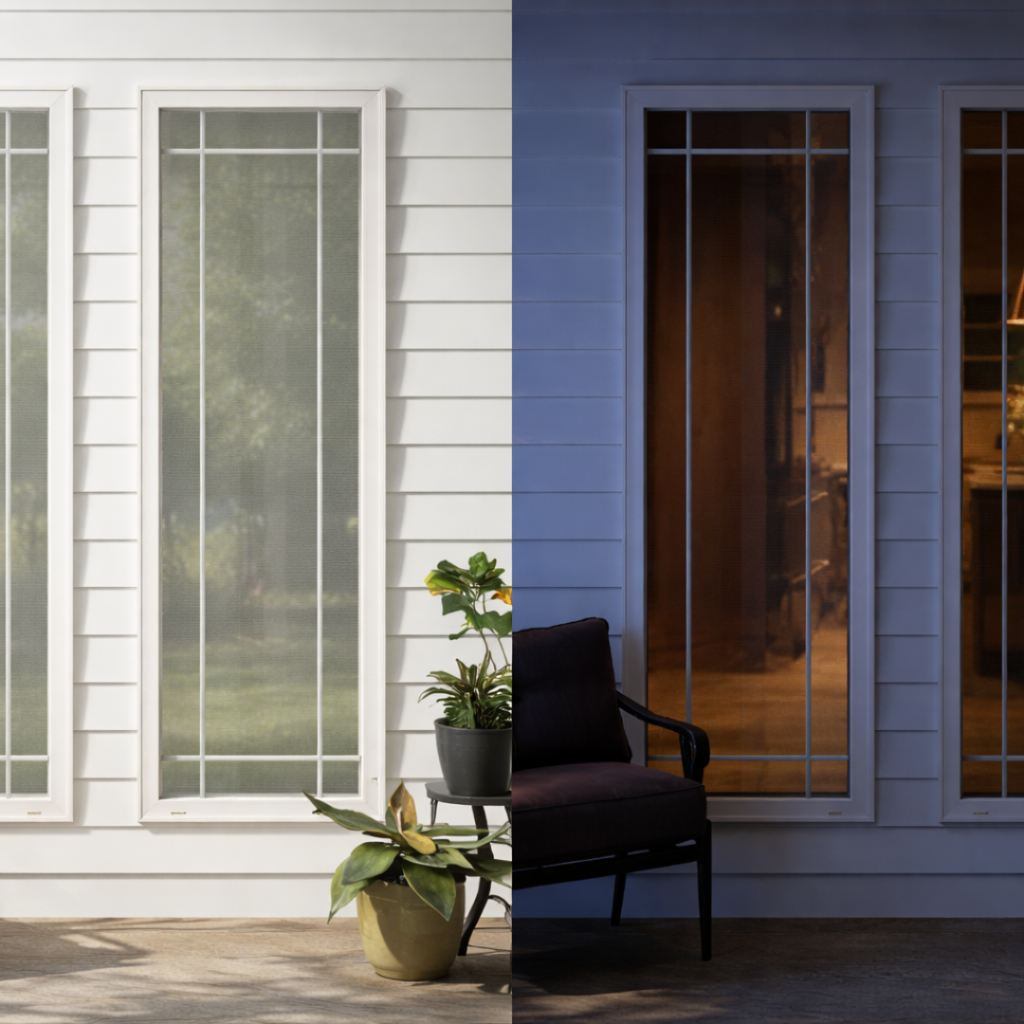
Can You See Through Solar Shades at Night? Complete Guide to Daytime and Nighttime Privacy Understanding Solar Shades and How They Work Solar shades are a popular choice for homeowners looking to enjoy natural light without sacrificing comfort. These window coverings are made from specially engineered fabrics designed to filter sunlight, block harmful UV rays, and reduce glare, all while allowing you to maintain a view of the outdoors during the day. Unlike traditional blinds or curtains, solar shades strike a balance between openness and protection, giving your space a bright yet controlled atmosphere. The way solar shades work comes down to the fabric’s openness percentage—a measure of how tightly the threads are woven. A higher openness percentage allows more light and outside views but offers less privacy. A lower openness percentage lets in less light and gives you more privacy during the day. Because of this, choosing the right openness level is key to getting the balance you want between light control, view, and privacy. From a functional standpoint, solar shades are all about managing light direction. During daylight, the brighter outdoor environment naturally prevents outsiders from seeing in, while you can still enjoy looking out. At night, however, when interior lights are on, the brightness inside reverses the effect, making it easier for people outside to see into your space. The Role of Openness Percentage in Light and Privacy Control When it comes to privacy and visibility, openness percentage is the single most important factor in how your solar shades will perform. These percentages usually range from 1% to 10%: 10% openness – Blocks about 90% of UV rays. Offers the clearest daytime view outside but provides the least privacy overall. 5% openness – Blocks 95% of UV rays. Still offers a clear view but with slightly improved privacy. 3% openness – Blocks 97% of UV rays. Softens the outside view and adds a moderate privacy boost. 1% openness – Blocks 99% of UV rays. Limits outside visibility the most and delivers the highest level of privacy among solar shade options. These percentages directly affect how well your shades will protect your privacy—especially at night. For example, a 1% shade will naturally make it harder to see in after dark, but if you have bright indoor lighting, even the densest weave can still reveal silhouettes or movement. From personal experience, choosing a lower openness level not only improves daytime privacy but also offers a subtle improvement in nighttime privacy. That said, no solar shade, regardless of its percentage, can guarantee full nighttime privacy if your lights are on and the outside environment is darker. Daytime Privacy: Why Solar Shades Work Best in Bright Conditions One of the biggest advantages of solar shades is how well they perform during the day. The combination of outdoor brightness and the shade’s filtering fabric creates a one-way visibility effect—you can see out, but people outside can’t see in. During daylight hours, even a 10% openness shade can make it difficult for someone outside to see through, unless they are very close and looking directly into the window. The denser the weave (1% or 3%), the more secure you’ll feel knowing your activities inside are not visible from the street or neighboring properties. In sunny spaces, solar shades can make a huge difference in comfort. They: Cut down glare so you can watch TV or work on your computer without closing off your room. Reduce heat gain by blocking UV rays, keeping your interiors cooler. Preserve your view so you can still enjoy the scenery outside. It’s worth noting that daytime privacy works best only when the outdoors is brighter than indoors. On cloudy days or at dusk, privacy levels can decrease, so additional window treatments might be necessary if privacy is a high priority. Nighttime Privacy: What Changes When the Lights Are On? Outdoor lighting can also influence how visible your interiors are at night. For instance: Bright porch lights or streetlights near your window can actually improve privacy by reducing the contrast between inside and outside. Complete outdoor darkness makes it easier for anyone outside to see into a well-lit room. This is why homes in rural or low-light neighborhoods often experience more noticeable nighttime visibility through solar shades than homes in well-lit urban settings. Openness Levels Explained and Their Privacy Impact Breaking it down: 10% openness – Best for preserving the view but worst for nighttime privacy. 5% openness – Good compromise for daylight comfort, but still quite transparent at night. 3% openness – Offers moderate view and better light control, with slightly better privacy at night. 1% openness – Best for reducing visibility after dark but still not fully private without additional coverings. If nighttime privacy is important to you, 1% or 3% openness fabrics are the most practical choice—but pairing them with another window treatment is the real game-changer. Benefits of Solar Shades Beyond Privacy While privacy is often the first concern, solar shades offer a range of benefits that make them worth considering even if you plan to use them alongside other coverings at night. UV Protection for Furniture and Floors Solar shades block up to 99% of UV rays depending on their openness. This helps prevent fading and deterioration of wood floors, rugs, upholstery, and artwork. Glare Reduction for Comfortable Living Spaces They’re perfect for rooms where you want to enjoy daylight without eye strain—such as home offices, living rooms with TVs, or kitchens with big windows. Heat Reduction and Energy Efficiency By blocking sunlight before it enters, solar shades help maintain a cooler indoor environment, which can reduce the need for air conditioning and lower your energy bills. How to Improve Nighttime Privacy Without Losing Daytime Benefits If you love your solar shades but want more privacy at night, you don’t have to give them up—just layer them with another treatment. Layering Solar Shades with Curtains or Drapes The most effective method is to combine solar shades with blackout curtains or heavy drapes. You
Why “Popular” Matters: Function Meets Fashion in 2025
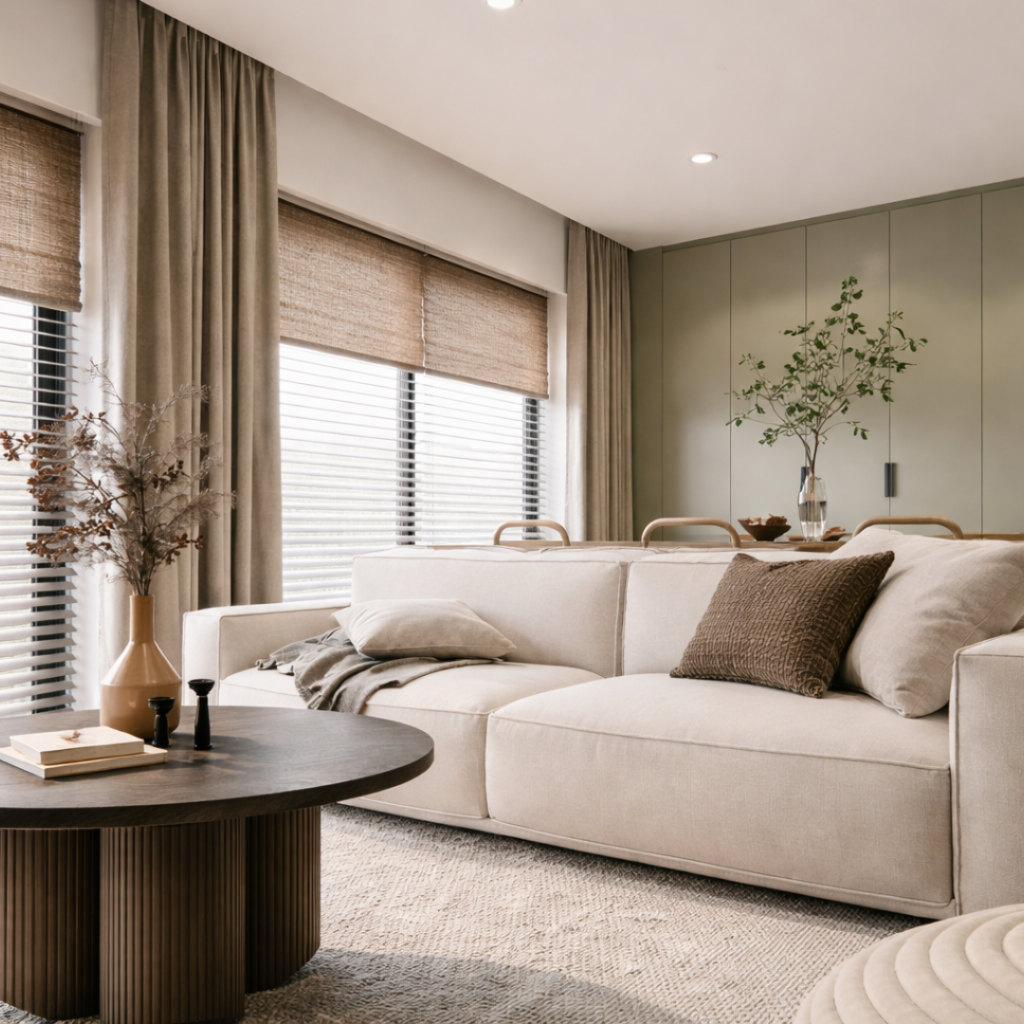
Why “Popular” Matters: Function Meets Fashion in 2025 The question behind every décor refresh is deceptively simple: “What is popular in blinds right now?” The answer, however, is layered—just like the most buzz-worthy window treatments of the year. The right blinds or shades do more than control light; they insulate, add texture and pull an entire design scheme together. Choosing what’s popular isn’t about chasing fleeting trends; it’s about tapping into innovations that make everyday living easier, greener and undeniably better-looking. I first learned this lesson while remodeling my loft last winter. Swapping out dated aluminum slats for smart woven-wood shades shaved noticeable dollars off my heating bill and totally changed the vibe of the room. Friends walked in and felt the difference before they even noticed it. That’s when I started tracking the design cycle with a critical eye, paying attention to what real homeowners—and I—actually loved long after the initial “wow” factor faded. Today, popularity is earned in three ways: dependable performance (energy savings, privacy, UV protection), ethical production (sustainable fibers, low-VOC finishes) and emotional punch (color stories, tactile appeal). In other words, the blinds everyone is talking about this year deliver practical wins and style bragging rights. Let’s dive into the macro-trends powering that buzz and see which specific styles rise to the top. Macro-Trends Shaping Blinds & Shades Right Now Popularity never happens in a vacuum. It’s the intersection of technology, culture and plain old human comfort. Below are four megatrends guiding 2025’s window-treatment landscape—and, yes, each one is already transforming real homes (including my own). 2.1 Sheer Serenity: Light-Diffusing Fabrics “Linen and cotton sheers diffuse sunlight while preserving privacy, creating a soft, romantic atmosphere.” That sentence lives on the sticky note stuck to my design mood board, because sheer, airy drapes remain the fastest way to calm a room without dulling it. The new generation of translucent fabrics is tightly woven enough to filter glare yet open enough to frame the view. I layered whisper-thin white linen panels over cordless roller shades in my studio, and now I can hop on a video call at high noon without squinting at the screen. Why they’re hot: homeowners crave sunlight to boost mood but refuse to sacrifice privacy. Sheers strike the balance and photograph beautifully—a social-media double win. Innovations include recycled-cotton blends and stain-repellent finishes that let you keep windows open on a breezy day without fretting over dust. Pro tip from my own install: hang sheers four inches higher than the top of the frame and let them just kiss the floor. The extra drop elongates the wall and makes ceilings read taller. 2.2 Earth-Toned Warmth & Bold Statements “Filtered daylight paired with earthy neutrals or golden tones turns any space into a cosy retreat.” At the same time, “Not a fan of neutrals? Geometric prints, tribal motifs and jewel-tone drapes are injecting fresh energy into modern interiors.” These seemingly opposite statements coexist because 2025 is the year of personalized comfort. Think clay, ochre and wheat one room over; emerald, indigo and magenta the next. I embraced both ends of the spectrum in my open-plan living area: muted wheat woven-wood shades ground the seating zone, while a pair of sapphire velvet Roman shades spark conversation in the adjoining reading nook. The key is intentional contrast—choose one hero hue or pattern per sight-line and let supporting colors whisper. Manufacturers are meeting us halfway by releasing curated color books, so you can order drapes, valances and trims that coordinate straight out of the sample pack. 2.3 Sustainability Front and Center “Homeowners are gravitating toward bamboo, hemp and sustainably sourced wood blinds to bring nature indoors and reduce environmental impact.” That’s more than marketing fluff—eco-friendly lines are selling out faster than vendors can restock them. Certification labels (FSC, Greenguard Gold) now appear in product descriptions as prominently as color swatches. I once assumed sustainable meant rustic, but my hemp-blend roller shades arrived with a subtle matte sheen that feels upscale, not rough. Energy performance is equally impressive: cellular constructions trap air pockets, and natural fibers breathe, keeping rooms cooler in summer and warmer in winter. The bonus? Every visitor notices the texture and asks where I found them. Being green is officially a design flex. 2.4 Smart, Voice-Activated Convenience “Voice-activated and app-controlled shades fit seamlessly into connected homes, offering convenience and precise light management.” I resisted smart blinds until I spent one sweaty August afternoon on a ladder, re-threading a broken cord. Two weeks later, I installed motorized rollers I can raise with my phone. Now sunrise triggers an automatic open at 6 a.m., and sunset cues a gentle close. Popularity proof: smart-shade shipments doubled last year, and price points dropped by a third. Advances in rechargeable batteries (hidden in the head rail) and quieter motors make them approachable for renters and condo owners. If you own a voice assistant, you can integrate blinds into morning routines (Alexa, “good-night mode”) without extra hubs. The top finish options? Matte white, graphite and—no surprise—organic woodgrain laminates that echo the eco trend. Top 5 Window-Treatment Styles Dominating the Market Popularity often crystallizes in specific silhouettes. Consider this my cheat-sheet—and, yes, the list comes straight out of my notebook labeled “5 Popular Window Treatment Styles Right Now.” Roman Shades – Timeless elegance with soft folds. They bridge formal and casual rooms because fabric choice dictates mood. I hung unbleached-linen Romans in my dining room for understated sophistication. Roller Shades – Sleek, minimal and available in endless colours. With blackout or solar fabrics, they work from nursery to home theater. Their streamlined cassette valances keep sight-lines modern. Woven Wood Shades – Casual textures that blur indoor-outdoor boundaries. Matchstick bamboo, abaca and jute weave sunlight patterns onto floors—instant resort vibe. Vertical Blinds – Ideal for large windows and sliding doors, offering precise light control. Today’s panels showcase wide 4-inch slats in linen-look vinyl or real textile inserts, nixing the clacky plastic stereotype. Interior Shutters – Durable, nearly full blackout and effortlessly classic. Composite finishes
The Real Deal About Daytime Privacy Shades

The Real Deal About Daytime Privacy Shades Natural light can do wonders for a space—making it feel open, warm, and alive. But what if enjoying that beautiful daylight comes at the cost of feeling exposed? That was my dilemma when I moved into an apartment with giant windows: stunning during the day, but a bit too revealing at night. The search for a window solution led me to the concept of daytime privacy shades—treatments that let you see out but block the view in. These are often called one-way blinds, solar screen shades, or reflective window treatments, and they work by leveraging differences in light. When it’s brighter outside than inside, these materials reflect enough light to obscure your interior from view while allowing you to look out. They’re ideal for living rooms, kitchens, and other spaces where you want sunlight and privacy simultaneously. I installed solar shades in my south-facing living room and was amazed at how effectively they cut down glare while preserving my outdoor view. During daylight hours, they provided a cozy sense of seclusion without sacrificing the beauty of natural light. Why You Can’t Rely on One-Way Blinds at Night Here’s the caveat no one tells you upfront: one-way visibility doesn’t work at night. As soon as I turned on the lights after sunset, it was like someone had flipped a switch. Suddenly, anyone passing by could see right into my living room as if the blinds weren’t even there. The privacy I had during the day? Gone. And fast. That’s when I learned the science behind reflective materials—they only reflect when the outside is brighter than the inside. Once it’s dark out and your interior lights are on, the situation reverses: the inside becomes visible, and the outside reflection vanishes. No matter how fancy or high-end your solar shades are, they can’t defy physics. If nighttime privacy is a concern (and let’s be real—it should be), you’ll need a layered solution. Top Shade Options That Balance Light and Privacy Finding that perfect mix of daylight comfort and nighttime security isn’t about choosing one product—it’s about layering and function. Here are the solutions that finally worked for me: Solar Shades (Day): Great for reducing glare and keeping your view during daylight. They’re perfect for sunny rooms but need a backup for nighttime. Blackout Roller Shades (Night): In the bedroom, I installed roller shades with blackout liners. They block 100% of light and give me peace of mind when sleeping. Frosted Window Films (All-Day): For my bathroom, frosted window film was a game-changer. It lets in soft, diffused light without any visibility from outside. Woven Wood Shades with Liners (Stylish + Private): I chose these for the kitchen. They look natural and pair well with a privacy liner to keep things discreet. Privacy Window Tinting (Low-Traffic Rooms): Ideal for places like the laundry room where night privacy isn’t essential. Dual-Layer Shades (Flexible): These are adjustable layered shades you can tweak throughout the day. Bright sunlight? Filter it. Nighttime? Slide into full privacy mode. Each of these serves a purpose depending on room function and window orientation. My Personal Journey to a Day-and-Night Privacy Solution A few months back, I moved into a new place with jaw-dropping windows—floor-to-ceiling views that lit up my entire home. It was beautiful… until nightfall. At first, I thought solar shades were the answer. I loved how they kept my space bright while keeping prying eyes away during the day. But that illusion shattered the moment I switched on a lamp after dark. It was like inviting the entire neighborhood in for a peek. I experimented with different types of window coverings and learned that no single product does it all—at least not perfectly. The solution? Layering. Pairing light-filtering options with blackout alternatives gave me the control I needed. Today, I can enjoy soft daylight while cooking in the kitchen, feel completely at ease in my bedroom after sundown, and still showcase my décor without hiding behind heavy drapes. No compromise needed. Best Window Treatments for Every Room in Your Home Your privacy needs vary by room, so here’s what worked for me in each space: Living Room Solar Shades for glare reduction and view retention. Backup blackout drapes for nighttime coverage when needed. Bedroom Blackout Roller Shades for pitch-black sleep and no visibility from outside. Consider adding thermal liners for insulation and energy efficiency. Bathroom Frosted Window Film that allows in light but no visibility. It’s low-maintenance and perfect for humidity. Kitchen Woven Wood Shades with Privacy Liner that offer texture and functionality. Easy to clean and great for east-facing windows. Home Office or Workspace Dual Function Shades that adapt throughout the day. Perfect for Zoom calls with natural light and no backlighting issues. Laundry Room or Storage Areas Privacy Tinting or basic blinds—budget-friendly and effective. Each space has its quirks. The key is understanding what kind of light control and privacy you need for each one. What to Consider Before Choosing the Right Blinds There’s more to blinds than picking a style. Here’s what made a difference for me: Light Control: Window direction matters. My east-facing windows needed heavier filtering to block harsh morning rays. Energy Efficiency: I saved on utilities by choosing insulated options that helped regulate indoor temps. Maintenance: In high-humidity areas like the bathroom, I picked moisture-resistant materials. Safety: With pets in the home, cordless shades were a must. They’re sleek and safer—especially around curious animals. Common Mistakes People Make with Privacy Shades Before I figured things out, I made a few rookie errors. Here’s what I wish I knew sooner: Assuming “day privacy” = “night privacy.” It doesn’t. You’ll be seen once it’s dark and your lights are on. Overlooking layering. No single shade type is perfect for all times of day. Ignoring window orientation. Morning vs. evening light can change your needs entirely. Choosing based on style only. Looks matter, but functionality is everything. Don’t repeat my mistakes—take a few extra minutes to plan each
Should You Use the Same Blinds Throughout the House?
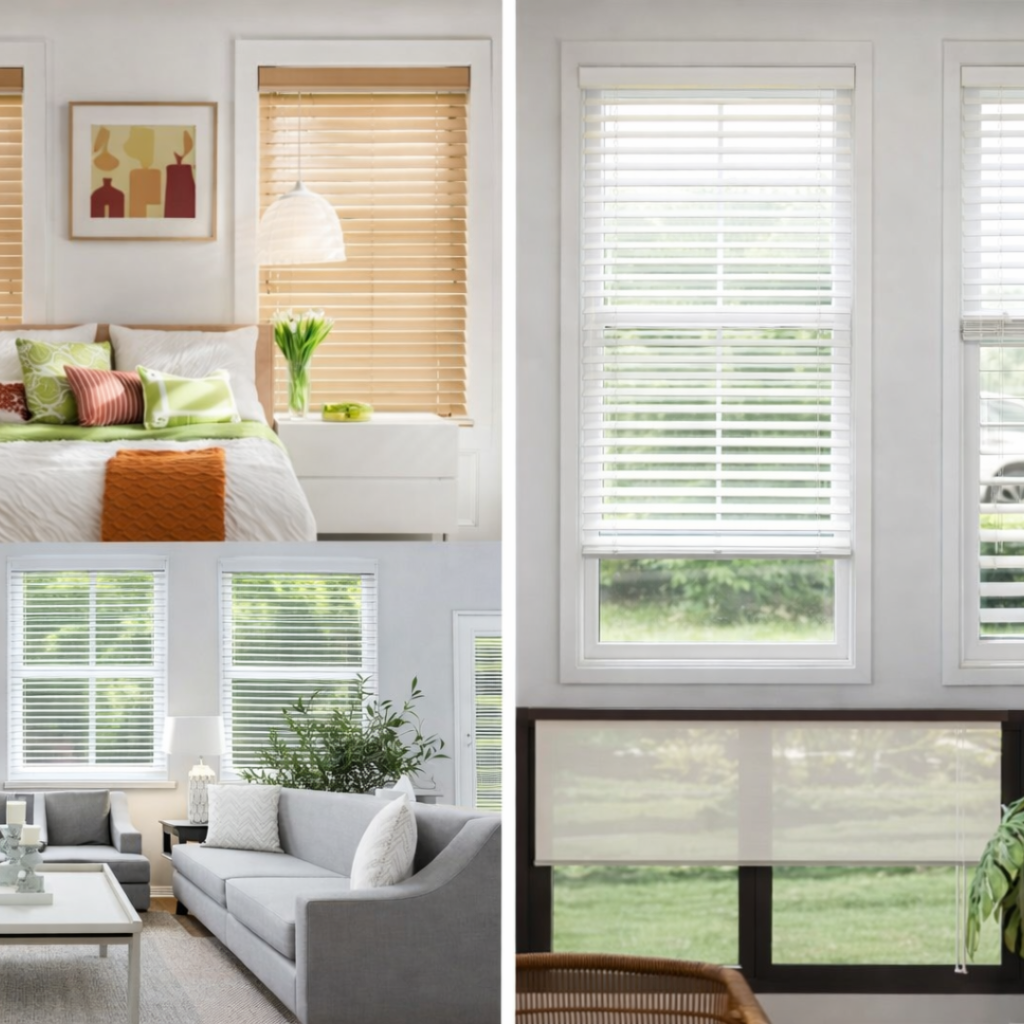
Should You Use the Same Blinds Throughout the House? When redesigning or refreshing a home, one question often pops up: Should all the blinds and shades in your house match? It seems like a simple decision, but it can dramatically affect how your home feels and functions. While some swear by uniformity, others argue for room-by-room customization. The answer isn’t black and white—it depends on your style, your home’s layout, and how each space is used. Let’s dive into the pros, cons, and creative possibilities of mixing or matching window treatments throughout your home. The Case for Matching Blinds in Every Room Using the same blinds throughout your home has a clear advantage: visual harmony. It creates a consistent look that makes the interior feel well thought out and cohesive. Especially in homes with open floor plans, matching treatments can help spaces flow into one another seamlessly. In my own home, I went with vertical blinds in a neutral tone for the living and dining area. These spaces are part of an open-plan layout, and using the same style created a clean, unified look that didn’t feel busy or disconnected. Matching also helps boost curb appeal. From the outside, uniform window coverings—like plantation shutters or streamlined roller blinds—offer a polished, symmetrical appearance. This subtle touch can significantly elevate your home’s value, especially if resale is on your mind. When Variety Works Better Than Uniformity Despite the benefits of uniformity, a home isn’t a hotel—each room serves a different purpose and might need different solutions. Flexibility allows you to tailor your window treatments to the function and vibe of each space. In my case, the bedroom required complete darkness, so blackout roller shades were the obvious choice. In the bathroom, privacy and moisture resistance were key, so I chose Venetian blinds that could handle humidity. This kind of functional variation made each room more comfortable and personalized. Design-wise, mixing window treatments adds character and a sense of intention. If done thoughtfully, different styles can coexist beautifully while reflecting the unique energy of each space. How Function Dictates the Best Choice Before diving into aesthetics, start with the practical needs of each room. Ask yourself: Do I need privacy here? Is this a space where I want to block out all the light? Will this room be exposed to moisture? My office needed light-filtering shades to keep it bright without causing screen glare. The bedroom needed total blackout. This practical approach streamlined the decision-making process and ensured that each space worked exactly the way I needed it to. Designing for Open-Concept vs. Closed Spaces Your home’s layout plays a big role in whether matching blinds make sense. For large open-concept spaces, using one type of blind can tie everything together visually and prevent style clashes. But in more segmented or private spaces like bedrooms, guest rooms, and offices, you have the freedom to experiment without disrupting the flow of the home. That’s exactly what I did. I kept shared areas cohesive and unified, then added personal touches to more private rooms. The result was a house that felt both harmonious and dynamic. Should Blinds Match the Wall Color? Matching blinds to wall colors can either create a seamless, airy look, or allow you to make a bold, contrasting statement. Both are valid choices—it all depends on what you want the room to feel like. In some rooms, I chose shades that blended into the walls, giving the space a calm, minimalist feel. In others, I used darker or contrasting shades that served as subtle focal points. Either approach worked beautifully as long as the color choices were intentional. Coordinating Through Color, Texture, and Material Even when I didn’t use the same type of blind across rooms, I found ways to coordinate through materials and tones. For example, I used white blockout roller blinds in the bedroom and continued that theme in the bathroom with white aluminum shutters. The effect? A subtle sense of flow that unified the spaces without making them feel identical. Texture and fabric also helped. A natural linen blind in one room could complement a cotton Roman shade in another, as long as the tones and styles were in sync. This kind of visual coordination creates balance while giving each room its own identity. Curb Appeal: What Blinds Look Like from Outside It’s easy to forget how blinds look from the exterior. If your windows are visible from the street, matching treatments—at least in terms of color or lining—can significantly boost curb appeal. That’s something I hadn’t considered until later. But once I saw how mismatched window coverings looked from outside, I understood the impact. Whether you go for shutters, blinds, or shades, keeping a consistent exterior view is a simple upgrade that adds value and makes your home feel more refined. Combining Blinds with Curtains: Smart Style Pairings Why choose between blinds and curtains when you can have both? In several rooms, I layered shades with curtains for a rich, dimensional look. Here’s what worked for me: Choose the Shade First I always picked the blind or shade based on functionality. My office got light-filtering shades; the bedroom, blackout. Stick to One Pattern When combining the two, I made sure only one had a pattern—either the curtain or the blind. This kept things from getting too loud. Play with Perception In one small-window room, I mounted the shades high and hung curtains wide to make the window appear larger. It worked wonders. Add Simple Accessories Matte rods, soft tiebacks, and a custom pelmet gave the setup a polished, intentional finish. Practical Tips to Balance Consistency and Creativity Anchor the home with neutral tones, then add personality in private rooms. Coordinate materials even if styles differ. In open spaces, match for cohesion. In private spaces, feel free to experiment. Use dual treatments (blinds + curtains) for flexibility and style. Consider how window coverings look from the outside—especially for resale value. Final Verdict: Matching Isn’t Everything—Purpose Is So, should
Can You See Through Zebra Blinds at Night? A Real Answer Based on Firsthand Experience
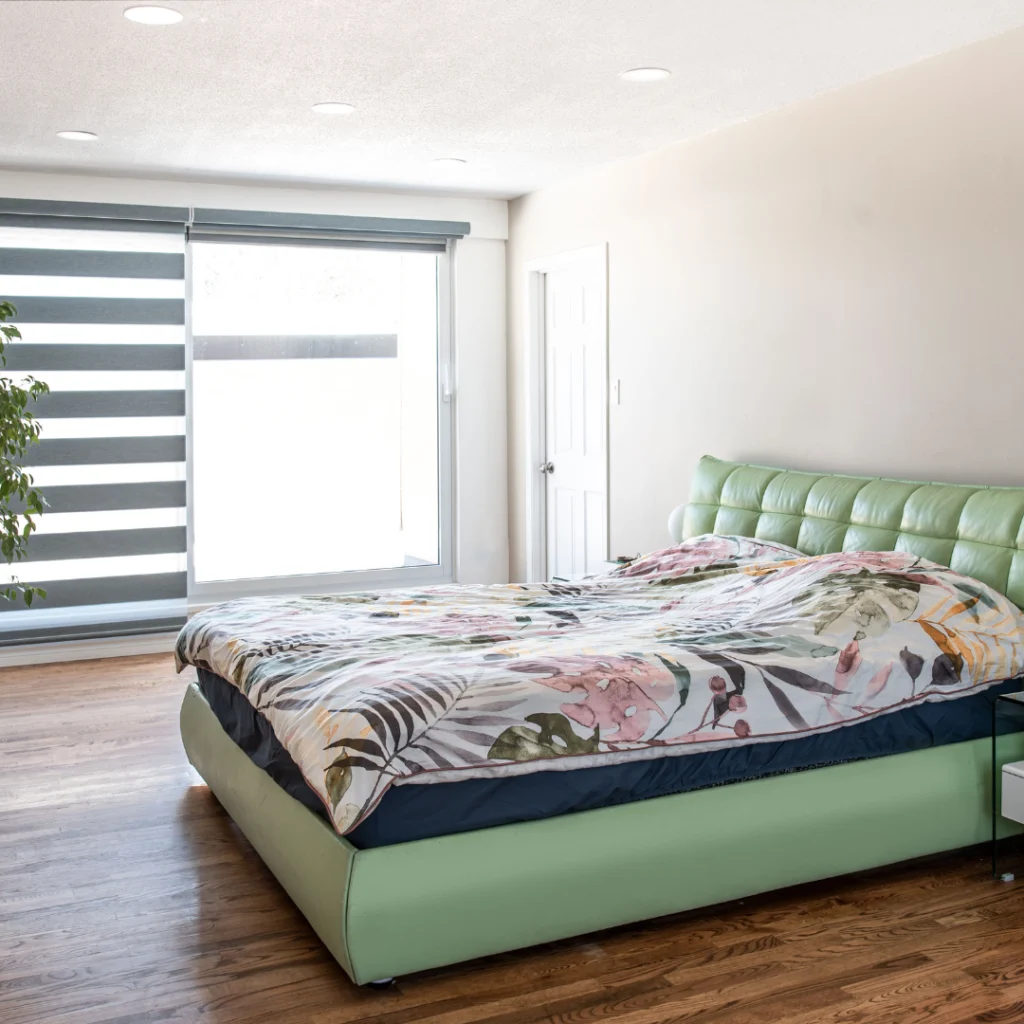
Can You See Through Zebra Blinds at Night? A Real Answer Based on Firsthand Experience What Are Zebra Blinds and How Do They Work? The Alternating Sheer and Opaque Fabric Zebra blinds, also known as dual or layered shades, are one of the most popular window treatments in modern homes. Their stylish design is built around alternating horizontal bands of sheer and opaque fabric. These blinds move up and down like traditional shades, but the real magic lies in how you align the stripes. How Alignment Affects Day vs. Night Privacy When open, the sheer and solid fabric layers alternate, allowing natural light to filter through while still giving your room a soft, elegant texture. When the opaque bands are fully aligned with each other, they create a darker, more private appearance. This dual capability makes them a versatile choice for people who want both light control and a sleek, contemporary look. Do Zebra Blinds Provide Privacy at Night? The Role of Interior Lighting and Visibility From my personal experience: it depends on how you use them. During the day, they performed beautifully—letting in just the right amount of light while maintaining a soft, ambient feel. But as soon as night came and I turned the lights on inside, things changed. I started to notice a faint glow leaking through the sheer sections from the street view. When You Forget to Close Them Fully When the blinds were aligned properly—opaque over opaque—I felt confident. No visibility, no silhouettes, no worries. But if I left them in the sheer alignment, even partially, a person walking by could tell the lights were on and see some interior shadows. While they couldn’t see clear details, the exposure was enough to make me feel uncomfortable. Key Factors That Impact Nighttime Privacy Sheer Exposure vs. Full Coverage When zebra blinds are left in the open (sheer) alignment, they offer little to no privacy at night. The interior lighting backlights the sheer sections, creating a see-through effect for passersby. On the other hand, fully closing the opaque layers dramatically improves privacy. Light Direction: Inside vs. Outside Lighting plays a surprisingly significant role in how visible your home becomes through zebra blinds. I found that dimming the lights or turning off the brightest lamps near windows improved privacy significantly. On nights when I forgot and left everything on, I felt like I was in a fishbowl. Mounting Style: Inside or Outside? During my setup, I tried both inside and outside mounts. For aesthetics and space, I initially preferred the cleaner look of inside-mounted zebra blinds. But once I noticed light creeping in from the edges at night, especially in my bedroom, I switched to an outside mount. The coverage improved dramatically. How to Make Zebra Blinds More Private at Night Choose High-Opacity Fabrics Not all zebra blinds are created equal. I upgraded to a model with thicker, darker opaque bands. These helped prevent silhouettes and shadows from being visible when the blinds were fully closed—even if I occasionally forgot to realign them. Close the Stripes Fully Before Bed When you line up the opaque layers, the blinds become much more like traditional blackout shades. It only takes a second to adjust them, and the added sense of privacy is more than worth it. Combine with Blackout Curtains or Drapes In rooms like my bedroom where complete darkness is a must, I added blackout curtains over my zebra blinds. This layered approach boosted privacy and added an extra layer of warmth and style to the space. Control Your Lighting Environment Switching to dimmable lights, using fewer bulbs near windows, and being mindful of which lights stay on after dark made a big difference for me. Are There Better Alternatives to Zebra Blinds for Privacy? Roller Shades, Venetian Blinds, and Heavy Curtains Roller shades deliver excellent blackout capabilities. Venetian blinds offer precise control but didn’t suit my design aesthetic. Heavy curtains are great for blocking everything out but lack flexibility during the day. Why I Still Chose Zebra Blinds In the end, a hybrid solution worked best for me: zebra blinds layered with blackout curtains, tailored lighting, and careful adjustments. Final Thoughts: You Can Achieve Nighttime Privacy with Zebra Blinds Zebra blinds can absolutely provide nighttime privacy when: You align the opaque stripes properly, Choose higher-opacity fabric versions, Dim or position your lighting strategically, and Add a curtain layer if needed. You don’t have to give up style for privacy—you just need the right setup.
Are Bamboo Blinds a Good Fit for the Bathroom?
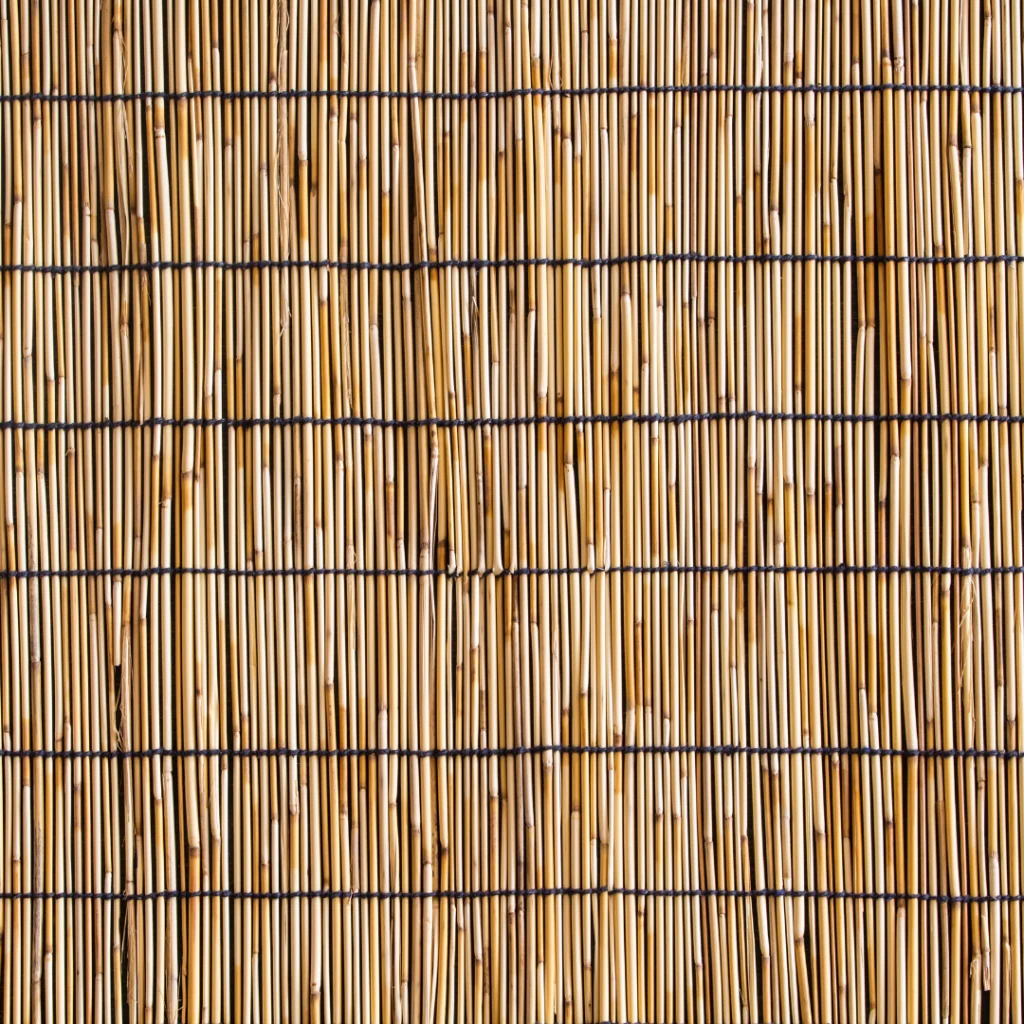
Are Bamboo Blinds a Good Fit for the Bathroom? When it comes to bathroom design, the smallest details often make the biggest difference—especially when choosing window coverings. With the bathroom’s constant exposure to humidity, steam, and temperature swings, your blinds need to do more than just look good. They need to perform. That’s why bamboo blinds have gained attention as a natural, stylish, and potentially perfect solution for bathroom spaces. But do they really hold up? Let’s take a deeper look. Why Choose Bamboo Blinds for the Bathroom? Bamboo blinds are more than just a trend—they’re a statement. They bring a warm, earthy aesthetic that instantly softens any space. But in the bathroom, it’s not just about looks. It’s about choosing a material that can handle daily moisture, withstand high humidity, and still look amazing after months—or even years—of use. Unlike fabric shades that can harbor mold or faux wood blinds that may warp over time, bamboo offers a sweet spot of form and function. They’re not only eco-friendly and biodegradable, but they also lend a spa-like ambiance that’s hard to beat. And let’s be real: modern bathrooms deserve more than plastic mini-blinds. If you’re searching for a solution that blends style, sustainability, and durability, bamboo may be exactly what your bathroom needs. Natural Moisture Resistance: How Bamboo Handles Humidity Bathrooms are notorious for being damp environments. The steam from hot showers, the residual moisture in the air, and occasional splashes from the sink or bathtub all contribute to a setting that can wreak havoc on traditional blinds. Why humidity matters in the bathroom Moisture isn’t just an occasional inconvenience in bathrooms—it’s a constant. Without the right materials, window treatments can quickly become warped, stained, or even moldy. What makes bamboo moisture-resistant But bamboo is no ordinary wood. Its naturally dense fiber structure makes it surprisingly resilient to moisture. Unlike other materials that absorb water and deteriorate, bamboo’s compact nature allows it to resist soaking, which helps prevent mold and rot from forming. “Bathrooms are known for their high levels of moisture, which often causes problems for fabric and wooden blinds. Unlike traditional hardwoods, bamboo has natural moisture resistance.” This real-world experience backs up the science—bamboo isn’t just resistant on paper; it performs in everyday use. Durability in Steam and Heat: Bamboo vs. Traditional Wood Heat is another bathroom enemy. If you’ve ever had wooden blinds near a steamy shower, you’ve probably seen warping, cracking, or flaking over time. The extreme shifts in temperature can break down less stable materials quickly. Here’s where bamboo shines again. Because of its natural toughness and flexibility, bamboo can endure changes in heat and humidity far better than traditional wood. It doesn’t warp easily and remains structurally sound even with daily exposure to steam. In fact, one user summarized it perfectly: “Bamboo blinds are built to withstand these changes. Unlike softer woods, bamboo maintains its shape even under high humidity and fluctuating temperatures.” That’s a huge plus for homeowners who want to install something and not worry about replacing it every year. Privacy and Light Control: Styles That Work in Bathrooms Let’s talk about two critical needs in any bathroom: privacy and light. Bamboo blinds come in various weaves and styles, from stick-roll designs to tightly woven patterns. This variety gives you control over how much light enters and how much privacy you maintain. Options for added privacy Woven bamboo shades can filter light softly while obscuring outside views—perfect for a spa-like, ambient vibe. However, if total privacy is your goal, look for lined bamboo shades or pair them with a light-blocking screen or curtain. Best bamboo designs for soft light filtering Many people love how bamboo diffuses sunlight, creating a warm, natural glow without the harshness of direct exposure. Plus, the textures and patterns of bamboo add an extra layer of sophistication that plastic blinds just can’t replicate. Easy Maintenance: Cleaning Bamboo Blinds Without Hassle Bathrooms are high-maintenance spaces. From toothpaste splatter to condensation buildup, keeping surfaces clean can feel like a full-time job. That’s why your blinds should make your life easier, not harder. Good news: bamboo blinds are a breeze to clean. “Bamboo blinds are easy to maintain—just a simple wipe with warm, soapy water and an optional mild disinfectant is enough to keep them clean and fresh.” That kind of simplicity is exactly what most homeowners are looking for. There’s no need for heavy-duty scrubbing or complicated treatments. Bamboo’s smooth surfaces don’t trap dust or bacteria easily, making them a hygienic choice for bathrooms. Plus, the material holds up well to frequent cleaning without losing its shape or finish. When Not to Use Bamboo Blinds: Limitations and Considerations Despite all its strengths, bamboo blinds aren’t perfect for every bathroom. In extremely small or poorly ventilated bathrooms where moisture lingers all day, even the toughest bamboo can start to struggle. Prolonged exposure to stagnant humidity can eventually lead to degradation, especially if the blinds are not properly finished or treated. Some users in forums noted that bamboo blinds can show signs of wear if they’re placed too close to a frequently used shower without any ventilation. In these cases, synthetic options or waterproof faux-wood blinds may offer better protection. If your bathroom doesn’t have an exhaust fan or a window that opens, think carefully before installing bamboo. You’ll want to ensure there’s enough air flow to help the blinds dry after each use. Design and Aesthetics: Bringing Natural Style to Your Bathroom Functionality aside, bamboo blinds are a designer’s dream. They complement everything from rustic to coastal to minimalist modern interiors. Their natural tones blend beautifully with neutral bathroom palettes, stone accents, and wood vanities. They’re also ideal for layering. Pair them with light curtains or linen panels for a textured, sophisticated look. Or keep them solo for a clean, organic aesthetic. As one review notes: “Not only do they complement a natural aesthetic, but they also provide durability and performance in a demanding environment.” That combination of style and
What Blinds Add the Most Value to a Home?
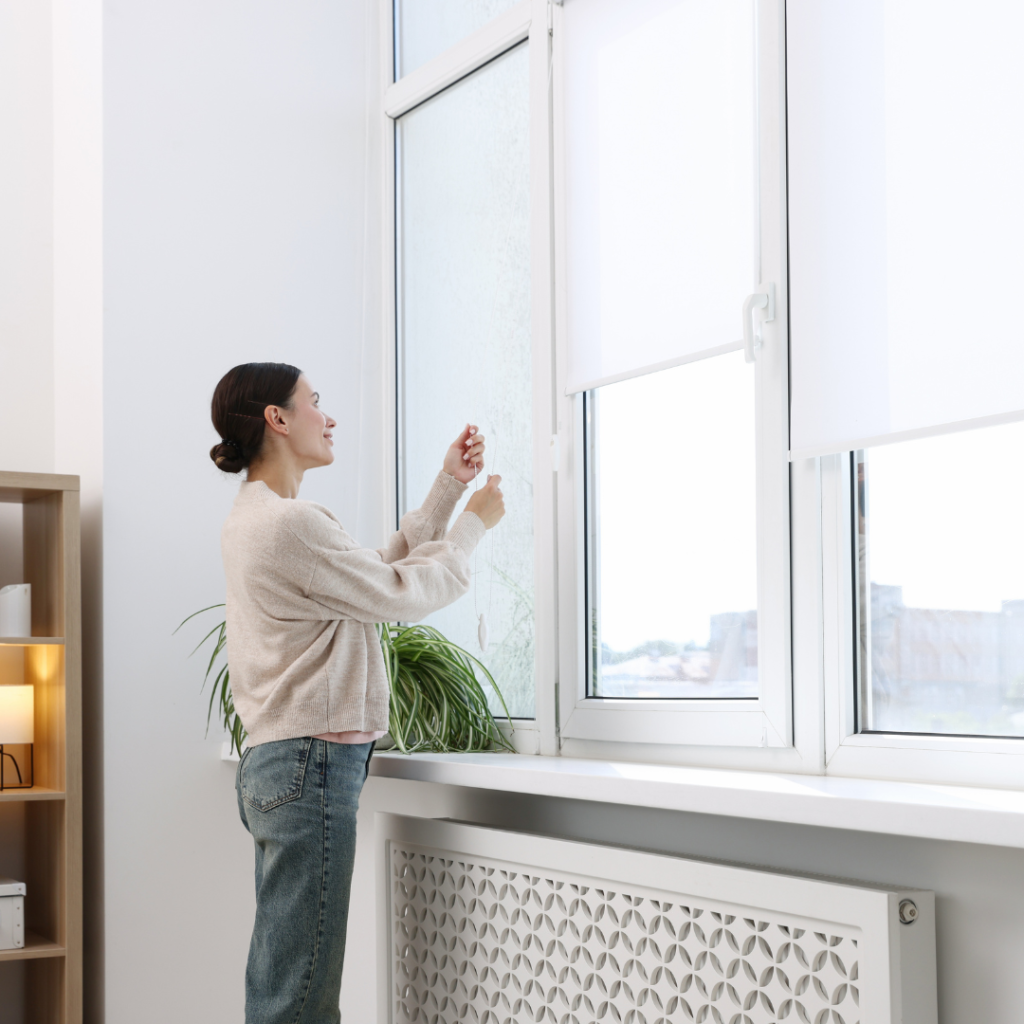
What Blinds Add the Most Value to a Home? When it comes to home upgrades that are stylish, functional, and actually increase property value, window treatments are one of the most overlooked opportunities. Yet, savvy homeowners and real estate pros know: the right blinds can do more than block the sun—they can boost your home’s resale appeal and market price. Let’s break down exactly which blinds add the most value, and why they deserve a top spot on your renovation priority list. Why Window Treatments Matter for Resale If you’ve ever toured a house that’s labeled “move-in ready” but still felt it was lacking… it was probably the windows. It’s incredible how much outdated mini-blinds or bare panes can drag down a room. That’s something I saw firsthand in Florida, when I helped a homeowner swap out their flimsy slatted blinds for thoughtful, custom solutions. We went with light-filtering roller shades in the bedrooms, sleek cellular shades throughout the main living areas, and bold drapes to frame the living room view. The result? The home got an immediate curb appeal glow-up—no more tilted, mismatched blinds peeking out from the street. Utility bills dropped, thanks to the insulating power of honeycomb cells that blocked intense afternoon heat. Most importantly: the appraiser took note, listing the upgraded window treatments as a feature that helped justify a higher asking price. That’s when it clicked for me: quality blinds aren’t just for aesthetics—they’re a real investment in both daily comfort and long-term home value. Blinds That Impress Buyers and Boost Appraisals Not all blinds are created equal when it comes to ROI. If you’re thinking resale, here are the top performers: Plantation Shutters Often considered the gold standard of window treatments, plantation shutters are permanent fixtures that feel custom and luxurious. They offer: Long-term durability Excellent insulation Wide slat design for flexible light control They’re a favorite among real estate agents and buyers alike because they’re viewed as a built-in upgrade. Faux Wood Blinds A more budget-friendly alternative to real wood that still looks premium. Ideal for: Kitchens and bathrooms due to moisture resistance Neutral staging and cohesive design Easy maintenance and cleaning Cellular Shades (Honeycomb Shades) Energy efficiency champions with a sleek look. Their benefits include: Reduced heating and cooling costs Added insulation and sound dampening Appeal to eco-conscious buyers Motorized or Smart Blinds Luxury buyers love automation. These are best for: High or hard-to-reach windows Tech-focused homes Boosting smart home appeal Style Meets Efficiency: The Winning Formula for ROI Blinds that add value aren’t just pretty—they solve problems. That’s why the most successful upgrades combine form and function. In our home, we chose cellular shades specifically to deal with west-facing windows. Every afternoon, the heat was intense. After installing the honeycomb blinds, indoor temperatures dropped noticeably, reducing the load on the A/C. The homeowner saved money and future buyers saw the benefit instantly. Style is just as important. Blinds that blend with flooring, paint tones, and furniture make homes feel polished. Neutral tones like white, beige, and soft gray are always resale-friendly and photograph beautifully. Best Blinds by Room: What to Choose and Where Not every blind suits every room. Here’s a breakdown: Living Room Use layered treatments—roller shades or faux wood blinds topped with long, elegant drapes. This adds depth and style. Bedrooms Opt for blackout roller shades or insulated cellular shades for better sleep and privacy. Kitchen Faux wood blinds are ideal for resisting heat and moisture. Stick to clean lines and simple designs. Bathrooms Moisture-resistant materials like vinyl or faux wood, with simple aesthetics that keep the space clean and modern. Home Office Go for light-filtering solar shades to reduce glare while maintaining natural light for productivity. From Bland to Brilliant: A Real-World Window Makeover Ever toured a “move-in ready” house and still felt it missing something? I used to think the same—until I helped a Clermont homeowner swap out dated mini-blinds for custom window treatments. We chose a mix of light-filtering roller shades, energy-saving cellular shades, and a bold set of draperies for the living room. Here’s what happened: Curb-appeal glow-up. From the street, the new shades framed each pane perfectly—no more crooked slats. Lower utility bills. The honeycomb cells trapped that brutal afternoon heat, so the A/C finally got a break. Appraiser’s nod. When the house hit the market, the updated windows were listed as a selling feature—one small upgrade, one bigger asking price. That project convinced me: thoughtful window treatments aren’t just décor; they’re an investment in comfort and resale value. If you’re weighing renovation priorities, start with the windows—you’ll enjoy the upgrade now and thank yourself when it’s time to sell. Common Mistakes When Upgrading Blinds (and How to Avoid Them) Avoid these common pitfalls: Choosing the cheapest option that looks flimsy Going bold with odd colors or patterns that turn off buyers Mismatching styles throughout the house DIY installation mistakes that ruin the effect Final Thoughts: Are Quality Blinds Really Worth It? Absolutely. Window treatments might not be the flashiest update, but they offer one of the best combinations of low investment and high impact. They help you live more comfortably now—and they give future buyers one less reason to hesitate when it’s time to sell. In my experience, blinds are more than a finishing touch. They’re a strategic move that blends form, function, and financial return. So if you’re thinking about upgrades that truly add value, start with the windows. They’re literally the lens through which buyers see your home—and with the right blinds, that view can be priceless.
Can People See Through Zebra Blinds at Night? Everything You Should Know
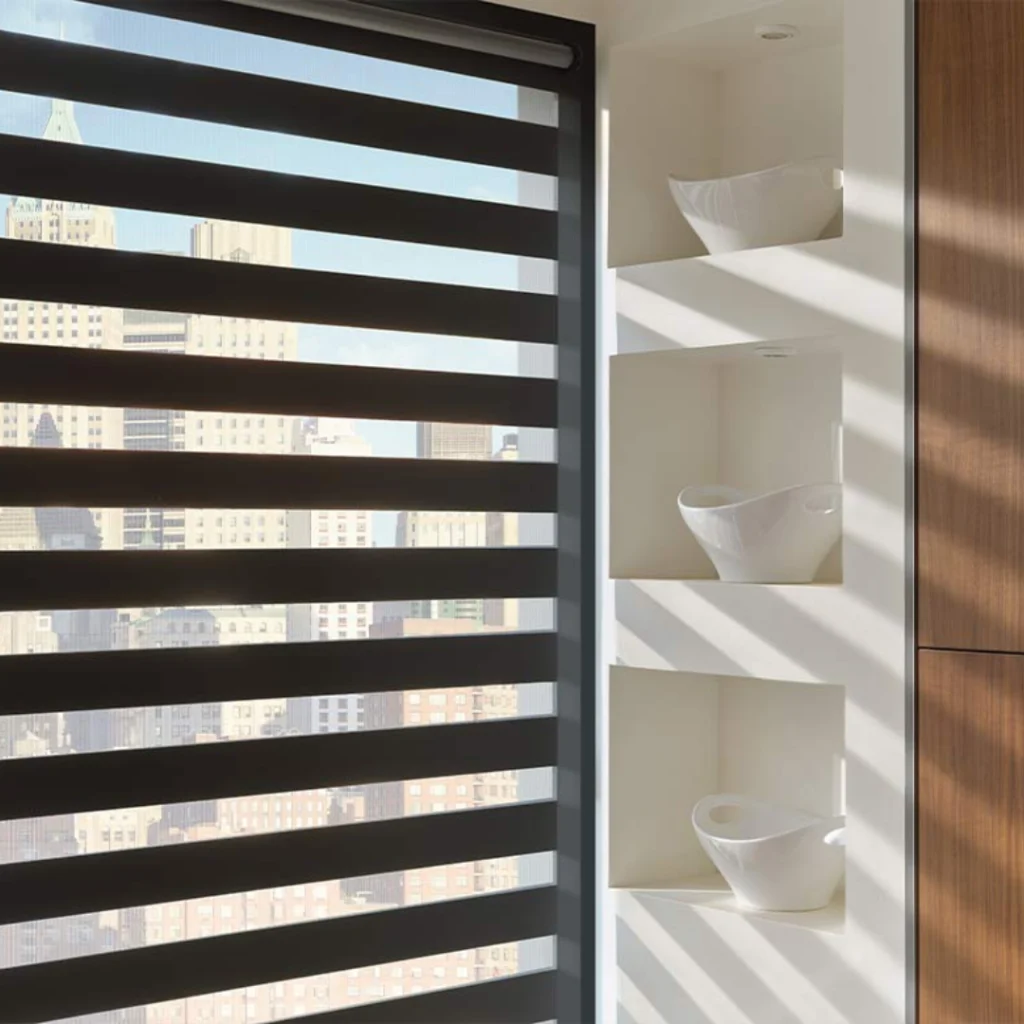
Can People See Through Zebra Blinds at Night? Everything You Should Know What Are Zebra Blinds and How Do They Work? Zebra blinds, also known as zebra shades, are one of the most popular window treatments for modern homes. These innovative coverings are designed with alternating sheer and solid fabric stripes. By adjusting the layers, you can control both natural light and privacy in your living spaces. When the solid stripes are perfectly aligned, zebra blinds block out external views and sunlight, providing excellent privacy. However, if the sheer bands overlap, they allow natural light to filter through while still maintaining some level of privacy — although faint silhouettes or glows might still be visible from outside. During my experience working with zebra blinds, I found their flexibility unmatched. Whether during the day or night, the way you position the fabric layers makes a significant difference in how much privacy you achieve. When the opaque stripes overlap, privacy is maximized, even with interior lights on. Can People See Through Zebra Blinds at Night? The short answer is: it depends. At night, especially when indoor lights are on and it’s darker outside, zebra blinds can reveal more than you might expect if they are not properly adjusted. When the sheer layers are aligned, people outside might catch a glimpse of movements, shapes, or general lighting inside your home. However, if you align the solid fabric stripes carefully, zebra blinds can offer substantial privacy even at night. The solid parts prevent visibility from outside, offering peace of mind for homeowners concerned about privacy during nighttime hours. The Role of Light and Fabric Alignment Indoor lighting plays a massive role. The brighter your interior, the more critical it becomes to properly align your zebra blinds. When light shines through the sheer sections, visibility increases. That’s why adjusting the fabric so that solid bands overlap is essential to maintain privacy after sunset. Differences Between Day and Night Visibility In daylight, natural brightness helps obscure interior views, even with sheer sections exposed. At night, without the balancing effect of outdoor light, your interior becomes a spotlight against the blinds. That’s why nighttime privacy requires extra attention to blind adjustment. How to Maximize Privacy with Zebra Blinds at Night If you’re wondering how to ensure that no one can see into your home at night, here are proven methods: Adjusting the Fabric Layers First and foremost, make sure that the solid fabric sections are fully overlapped when evening comes. This setting will greatly enhance your privacy. I always recommend to my clients to manually check their blinds after dark, ensuring no sheer stripes are left exposed. It’s a small action that makes a big difference. Using Blackout Zebra Blinds or Additional Drapes For those seeking maximum privacy and darkness, combining zebra blinds with additional window treatments is highly effective. Some options include: Blackout Zebra Blinds: These are specially designed with thicker opaque fabrics to eliminate almost all light passage. Layered Draperies: Adding curtains or heavy drapes over zebra blinds provides an extra layer of protection and style. From my experience, this combination not only guarantees privacy but also adds a sophisticated aesthetic to any room. Why Choose Zebra Blinds for Your Home? Beyond the question of nighttime privacy, zebra blinds offer numerous benefits that make them a top choice for many homeowners. Style, Light Control, and Versatility Zebra blinds bring a sleek, contemporary look to any space. Their ability to seamlessly adjust between complete privacy and soft lighting gives you unparalleled control over your environment. Whether you want a bright, inviting living room during the day or a cozy, private space at night, zebra blinds can deliver both. During my work with zebra blinds, I found them to be one of the most versatile window treatments available. They fit various décor styles, from ultra-modern to classic, making them a perfect choice for anyone wanting both function and fashion. Frequently Asked Questions About Zebra Blinds and Privacy Q: Do zebra blinds offer complete privacy at night?A: Only if the solid stripes are fully aligned. If the sheer stripes are matched, visibility is possible from outside. Q: Are blackout zebra blinds better for privacy?A: Yes. Blackout zebra blinds offer enhanced privacy and light-blocking features compared to standard versions. Q: Can I add curtains to zebra blinds for better privacy?A: Absolutely! Combining zebra blinds with drapes or curtains maximizes privacy and adds decorative flair. Q: Do zebra blinds wear out quickly?A: Not typically. With proper care and quality installation, zebra blinds can last many years while maintaining their functionality and look. Final Thoughts: Are Zebra Blinds the Right Choice for Nighttime Privacy? If you’re seeking a stylish window treatment that offers adjustable light control and potential nighttime privacy, zebra blinds are an excellent choice. However, achieving complete privacy requires mindful adjustment, especially once the sun goes down. From my firsthand experience, ensuring that the solid stripes are correctly aligned — and considering blackout options or layering with drapes — can make all the difference. With the right setup, zebra blinds can transform your space into a private, comfortable retreat, day or night. So, can people see through zebra blinds at night?Only if you let them.
What Blinds Add Most Value? How I Discovered the Secret to Boosting Home Resale Potential
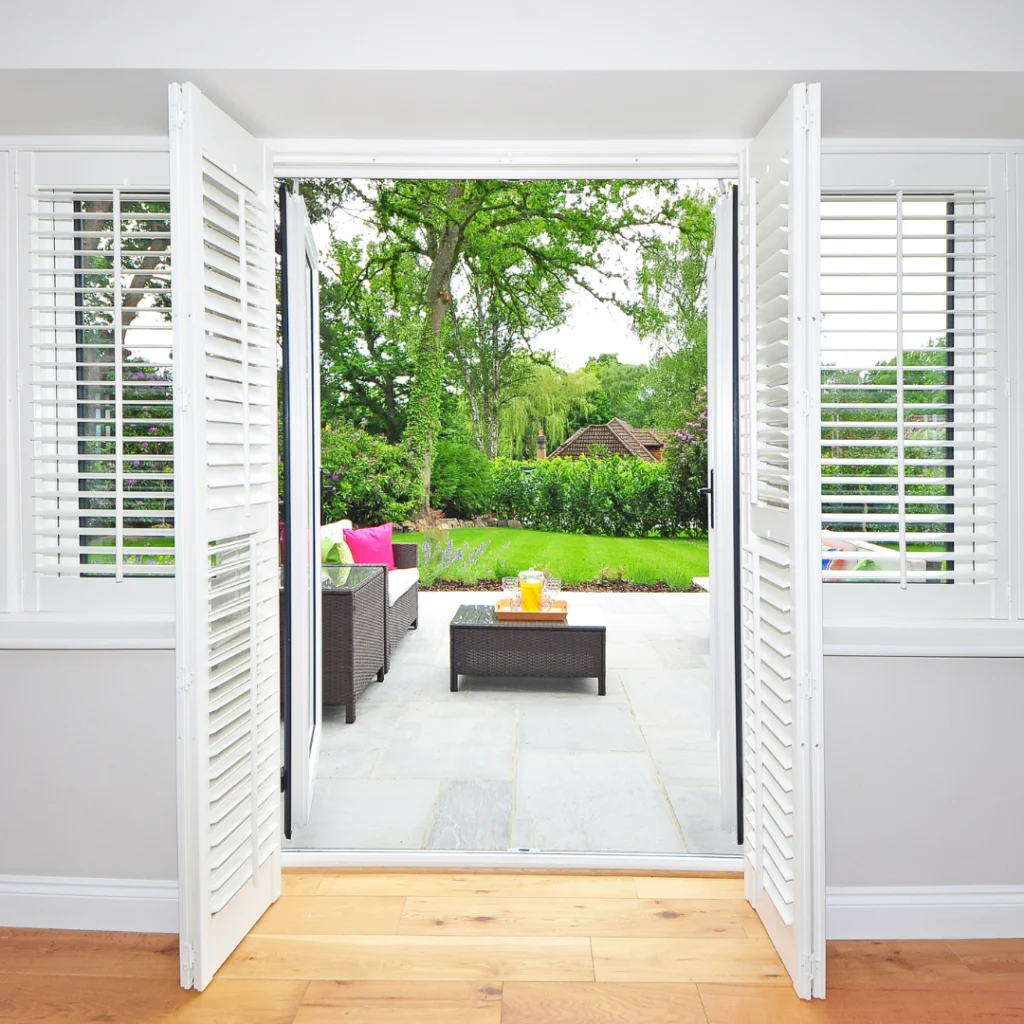
What Blinds Add Most Value? How I Discovered the Secret to Boosting Home Resale Potential Introduction Why Choosing the Right Blinds Matters for Home Value When it comes to increasing your home’s resale value, most people immediately think of large renovations—kitchen remodels, new flooring, or bathroom upgrades. I used to think the same. However, during my journey of preparing my home for future resale, I made an unexpected discovery: window treatments, especially blinds, can dramatically boost property value.Choosing the right blinds isn’t just about decorating; it’s about creating a comfortable, stylish, and energy-efficient space that appeals to potential buyers. Small upgrades can leave a lasting impression and translate into real financial gain. How Window Treatments Influence Property Value Small Changes That Make a Big Difference Real estate professionals consistently emphasize how buyers notice details—even the ones we think are minor. Window treatments play a crucial role in shaping a buyer’s first impression.During my research and consultations with experts, I learned that homes with quality blinds feel more polished, better maintained, and even more spacious. Good blinds enhance natural light, improve insulation, and contribute to the overall aesthetic—qualities every buyer seeks.Rather than spending thousands on massive projects, I realized that a strategic investment in stylish blinds could offer a high return with much less hassle. Why Blinds Are a Smart Investment The Balance Between Functionality, Style, and Comfort Among all window treatments, blinds stood out for their unique balance of practicality and elegance.When choosing new coverings, I prioritized: Maximizing natural light without sacrificing privacy Enhancing insulation for better energy efficiency Complementing the existing décor of each room Selecting durable, low-maintenance materials Once I installed my new blinds, the transformation was immediate. My rooms looked cleaner, brighter, and more sophisticated. The simple, timeless design not only elevated the visual appeal but also made spaces feel larger and more welcoming.Blinds offer buyers exactly what they desire: a functional, stylish solution that fits seamlessly into their lifestyle. Types of Blinds That Add the Most Value Classic Choices Buyers Love Not all blinds are created equal. Some types particularly add more perceived value to a home: Wooden Blinds: Timeless, elegant, and durable. Perfect for classic or luxury interiors. Faux Wood Blinds: A budget-friendly alternative that offers moisture resistance—great for kitchens and bathrooms. Motorized Blinds: High-tech convenience appeals to modern buyers looking for smart-home features. Vertical Blinds: Ideal for large windows and sliding doors, adding clean lines and easy functionality. When choosing my blinds, I leaned towards real wood blinds in main areas like the living room, paired with faux wood options in moisture-prone spaces.This combination not only made the rooms look cohesive but also showed prospective buyers that every part of the home was thoughtfully curated. Bonus Features That Boost Appeal Even More Motorized Blinds and Smart Solutions One tip I learned early? Motorization sells.Installing motorized blinds in key areas like living rooms or master bedrooms immediately upgraded the perception of my home’s value.Buyers are drawn to convenience, and remote-controlled window treatments add a touch of luxury without feeling extravagant. Especially for hard-to-reach windows, motorized blinds were a game-changer. I could control light and privacy at the touch of a button, and buyers appreciated the effortless functionality.If you want to stand out in today’s tech-savvy market, smart blinds are a worthy investment. Other Window Treatments Worth Considering Shades, Drapes, and Custom Options While blinds were the primary focus of my upgrade, I also considered other stylish alternatives: Roller Shades: Sleek and versatile, ideal for modern interiors. Cellular Shades: Perfect for insulating sun-facing rooms. Solar Shades: Great for protecting furniture and minimizing glare. Custom Drapes: Add a luxurious feel to formal areas like dining rooms. Ultimately, blinds offered the best mix of cost-efficiency, practicality, and wide appeal, but incorporating a few custom drapes helped polish off my more formal spaces. Key Factors When Choosing the Right Blinds Light, Insulation, Aesthetics, and Durability Choosing blinds isn’t just about picking a pretty style.Here’s what I focused on: Natural Light: Maximizing brightness without sacrificing privacy. Energy Efficiency: Choosing materials that help regulate indoor temperature. Home Style: Matching blinds to the overall décor. Material Quality: Prioritizing durability for a lasting investment. Cheap blinds can actually hurt your home’s perceived value. I invested in quality, well-designed products that instantly felt substantial and luxurious. Buyers can sense the difference—even if they can’t always articulate it. How Quality and Customization Make a Difference Impress Buyers with Thoughtful Details One of the biggest lessons I learned is that customization matters.Standard blinds are fine, but custom-fitted blinds for unique windows—like arched or oversized designs—make a massive impression. Buyers love walking into a home where every window is beautifully dressed. It saves them money and time after purchase, making the home immediately more move-in ready and valuable. Final Thoughts: Are Blinds Worth the Investment? How They Help Boost Home Resale Potential From my personal experience, the answer is a resounding yes.Installing thoughtfully chosen blinds improved my daily living comfort and boosted my home’s appeal for future buyers.Window treatments might seem like a small upgrade, but when done right, they create a significant emotional connection with buyers—something that directly impacts their willingness to pay a higher price. If you’re looking for a simple, high-impact way to increase your home’s value, start with the windows. Beautiful, functional, and durable blinds can make all the difference.