

What Blinds Add Most Value? How I Discovered the Secret to Boosting Home Resale Potential
What Blinds Add Most Value? How I Discovered the Secret to Boosting Home Resale Potential Introduction Why Choosing the Right Blinds Matters for Home Value When it comes to increasing your home’s resale value, most people immediately think of large renovations—kitchen remodels, new flooring, or bathroom upgrades. I used to think the same. However, during my journey of preparing my home for future resale, I made an unexpected discovery: window treatments, especially blinds, can dramatically boost property value.Choosing the right blinds isn’t just about decorating; it’s about creating a comfortable, stylish, and energy-efficient space that appeals to potential buyers. Small upgrades can leave a lasting impression and translate into real financial gain. How Window Treatments Influence Property Value Small Changes That Make a Big Difference Real estate professionals consistently emphasize how buyers notice details—even the ones we think are minor. Window treatments play a crucial role in shaping a buyer’s first impression.During my research and consultations with experts, I learned that homes with quality blinds feel more polished, better maintained, and even more spacious. Good blinds enhance natural light, improve insulation, and contribute to the overall aesthetic—qualities every buyer seeks.Rather than spending thousands on massive projects, I realized that a strategic investment in stylish blinds could offer a high return with much less hassle. Why Blinds Are a Smart Investment The Balance Between Functionality, Style, and Comfort Among all window treatments, blinds stood out for their unique balance of practicality and elegance.When choosing new coverings, I prioritized: Maximizing natural light without sacrificing privacy Enhancing insulation for better energy efficiency Complementing the existing décor of each room Selecting durable, low-maintenance materials Once I installed my new blinds, the transformation was immediate. My rooms looked cleaner, brighter, and more sophisticated. The simple, timeless design not only elevated the visual appeal but also made spaces feel larger and more welcoming.Blinds offer buyers exactly what they desire: a functional, stylish solution that fits seamlessly into their lifestyle. Types of Blinds That Add the Most Value Classic Choices Buyers Love Not all blinds are created equal. Some types particularly add more perceived value to a home: Wooden Blinds: Timeless, elegant, and durable. Perfect for classic or luxury interiors. Faux Wood Blinds: A budget-friendly alternative that offers moisture resistance—great for kitchens and bathrooms. Motorized Blinds: High-tech convenience appeals to modern buyers looking for smart-home features. Vertical Blinds: Ideal for large windows and sliding doors, adding clean lines and easy functionality. When choosing my blinds, I leaned towards real wood blinds in main areas like the living room, paired with faux wood options in moisture-prone spaces.This combination not only made the rooms look cohesive but also showed prospective buyers that every part of the home was thoughtfully curated. Bonus Features That Boost Appeal Even More Motorized Blinds and Smart Solutions One tip I learned early? Motorization sells.Installing motorized blinds in key areas like living rooms or master bedrooms immediately upgraded the perception of my home’s value.Buyers are drawn to convenience, and remote-controlled window treatments add a touch of luxury without feeling extravagant. Especially for hard-to-reach windows, motorized blinds were a game-changer. I could control light and privacy at the touch of a button, and buyers appreciated the effortless functionality.If you want to stand out in today’s tech-savvy market, smart blinds are a worthy investment. Other Window Treatments Worth Considering Shades, Drapes, and Custom Options While blinds were the primary focus of my upgrade, I also considered other stylish alternatives: Roller Shades: Sleek and versatile, ideal for modern interiors. Cellular Shades: Perfect for insulating sun-facing rooms. Solar Shades: Great for protecting furniture and minimizing glare. Custom Drapes: Add a luxurious feel to formal areas like dining rooms. Ultimately, blinds offered the best mix of cost-efficiency, practicality, and wide appeal, but incorporating a few custom drapes helped polish off my more formal spaces. Key Factors When Choosing the Right Blinds Light, Insulation, Aesthetics, and Durability Choosing blinds isn’t just about picking a pretty style.Here’s what I focused on: Natural Light: Maximizing brightness without sacrificing privacy. Energy Efficiency: Choosing materials that help regulate indoor temperature. Home Style: Matching blinds to the overall décor. Material Quality: Prioritizing durability for a lasting investment. Cheap blinds can actually hurt your home’s perceived value. I invested in quality, well-designed products that instantly felt substantial and luxurious. Buyers can sense the difference—even if they can’t always articulate it. How Quality and Customization Make a Difference Impress Buyers with Thoughtful Details One of the biggest lessons I learned is that customization matters.Standard blinds are fine, but custom-fitted blinds for unique windows—like arched or oversized designs—make a massive impression. Buyers love walking into a home where every window is beautifully dressed. It saves them money and time after purchase, making the home immediately more move-in ready and valuable. Final Thoughts: Are Blinds Worth the Investment? How They Help Boost Home Resale Potential From my personal experience, the answer is a resounding yes.Installing thoughtfully chosen blinds improved my daily living comfort and boosted my home’s appeal for future buyers.Window treatments might seem like a small upgrade, but when done right, they create a significant emotional connection with buyers—something that directly impacts their willingness to pay a higher price. If you’re looking for a simple, high-impact way to increase your home’s value, start with the windows. Beautiful, functional, and durable blinds can make all the difference.
What Is the Cheapest Way to Shade Windows?
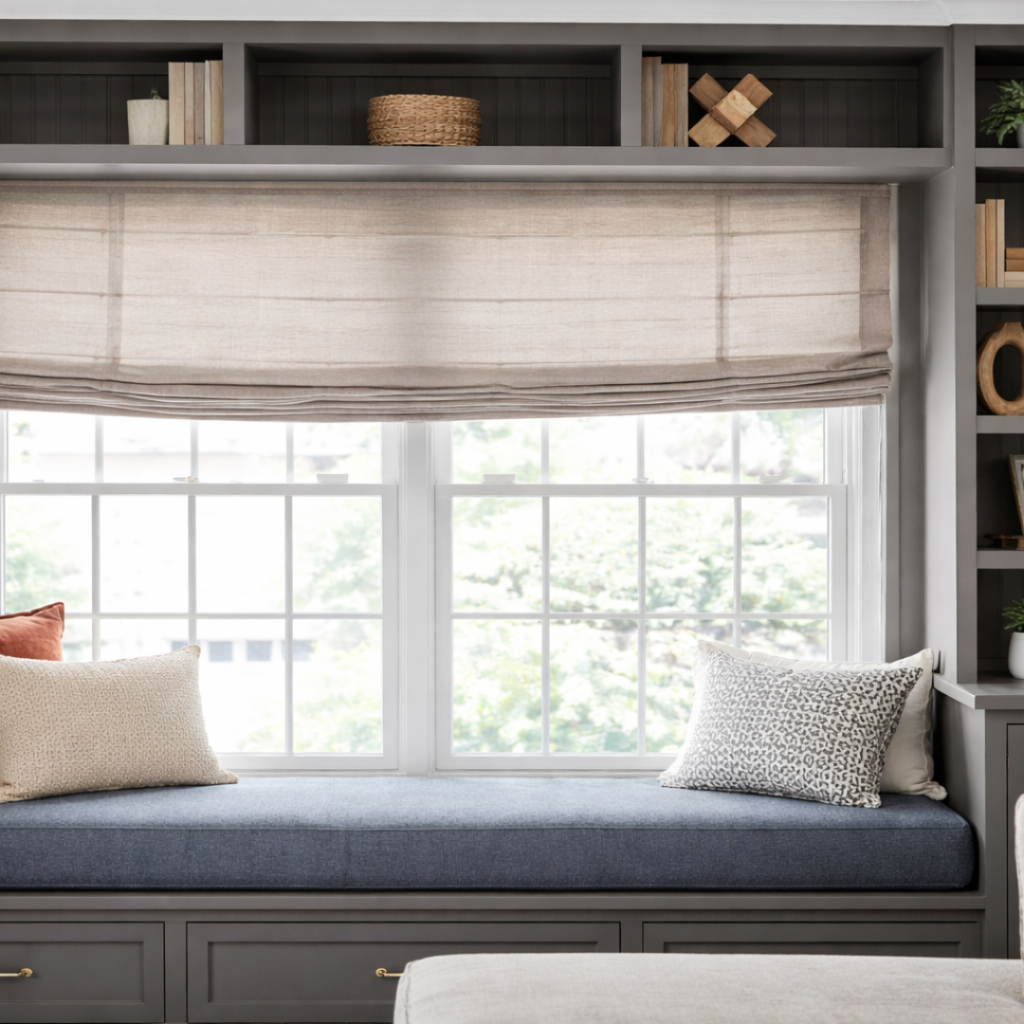
What Is the Cheapest Way to Shade Windows? Introduction: Finding the Best Cheap Ways to Shade Your Windows Shading your windows doesn’t have to drain your bank account. Whether you’re upgrading an entire home or just refreshing one room, affordable window treatments can provide style, privacy, and light control without the high price tag. In today’s market, there are so many budget-friendly options that combine aesthetics and functionality. When I needed to upgrade my window treatments on a budget, I discovered that ordering from an online retailer like Factory Direct Blinds made all the difference. They offered free shipping, competitive prices, and a wide selection of beautiful, affordable blinds and shades. Let’s explore how you can do the same and find the best inexpensive ways to shade your windows! Why Budget-Friendly Window Treatments Are a Smart Choice Budget-friendly window treatments offer more than just cost savings—they also give you the flexibility to customize your home while keeping it stylish. Affordable blinds and shades don’t mean sacrificing quality or design anymore. When I looked into it, I found out that options like faux wood blinds not only cost less than real wood blinds but also last longer and resist moisture, making them a smart investment for both kitchens and bathrooms. Plus, budget treatments often come with perks like free samples and custom sizing, which adds extra value. In short, affordable window solutions allow you to refresh your space, protect your furniture from sun damage, increase energy efficiency, and enhance privacy—all without overextending your finances. Top Affordable Options for Shading Your Windows Mini Blinds: Classic and Cost-Effective Mini blinds have always been at the top of the list when it comes to affordable window coverings. They are simple, reliable, and incredibly wallet-friendly. I personally found mini blinds to be an excellent quick fix, especially for rooms where functionality was more important than luxury. Their lightweight design makes them easy to install, and they come in a variety of colors to match any decor. Best of all, mini blinds can often be found at discounted rates online, especially if you order in bulk. Faux Wood Blinds: Style on a Budget If you love the look of real wood but not the price tag, faux wood blinds are the perfect solution. I absolutely love them because they deliver a traditional, classy look without costing a fortune. They’re also more durable and resistant to moisture than real wood—a major advantage in humid areas. Factory Direct Blinds offered a range of faux wood blinds at surprisingly affordable prices, allowing me to upgrade several rooms without feeling the financial pinch. Roller Shades: Simple, Versatile, and Affordable Roller shades are another fantastic option for budget-conscious homeowners. They offer a clean, minimalist look and come in a variety of fabrics and colors. I found light filtering roller blinds especially ideal for bedrooms where you want to maintain privacy while still letting some natural light in. Roller shades are easy to maintain, easy to install, and incredibly cost-effective, making them a popular choice for nearly any room in the house. Roman Shades: Elegant and Budget-Friendly If you’re looking for something soft and elegant, Roman shades are a great option. I installed Roman shades in my living room, and they brought a cozy, polished feel without breaking my budget. The layered fabric design adds a sophisticated touch that elevates any space. With so many affordable fabric options available, it’s easy to customize Roman shades to fit your style and needs. Cellular Shades: Energy-Efficient and Economical Cellular shades (also known as honeycomb shades) are an economical and energy-saving choice. I was initially hesitant because some people say they look cheap, but after getting a few free samples, I realized they actually look quite stylish when chosen carefully. Cellular shades not only trap air for insulation, helping lower energy bills, but also come in beautiful patterns and colors that can complement any room’s decor. Custom Cheap Blinds for Non-Standard Windows Not all windows come in standard sizes—and that’s okay! One of the best things I discovered is that Factory Direct Blinds offers custom window treatments at discounted rates. Whether you have oversized windows or quirky shaped frames, custom blinds ensure a perfect fit without the premium price you’d expect. Plus, they often offer commercial bidding programs if you’re outfitting multiple windows in larger buildings, providing even more opportunities to save. How to Measure Your Windows for Budget Blinds Measuring your windows correctly is critical if you want your affordable blinds to fit perfectly. Here’s how I did it: Step 1: Decide if you want inside or outside mount blinds. Step 2: For an inside mount, measure the width at the top, middle, and bottom, and use the narrowest measurement (to the nearest 1/8”). Step 3: Measure the height at the left, center, and right, and use the longest measurement. Step 4: For outside mounts, follow specific measuring instructions depending on the blind type. Following these steps saved me from costly mistakes and ensured my blinds fit like a glove. Tips to Save Even More: Free Samples and Online Discounts One of the smartest moves you can make is to order free samples before committing. I ordered up to 10 free samples from Factory Direct Blinds, which helped me match colors perfectly to my walls and decor. Also, by ordering directly online, I bypassed middlemen, took advantage of free shipping, and grabbed some online-only discounts. Shopping smart online can literally save you hundreds of dollars when outfitting multiple windows. Shades vs. Blinds: Which Is the Cheaper Option? If you’re wondering whether shades are cheaper than blinds, the answer is: it depends. Basic roller shades tend to be very affordable, even more so than some blinds. However, custom shades can sometimes be pricier. When outfitting my home, I mixed and matched—using roller shades for bedrooms and faux wood blinds for living areas. This way, I kept costs low while maximizing style and functionality across the board. Do
What is better than window blinds?
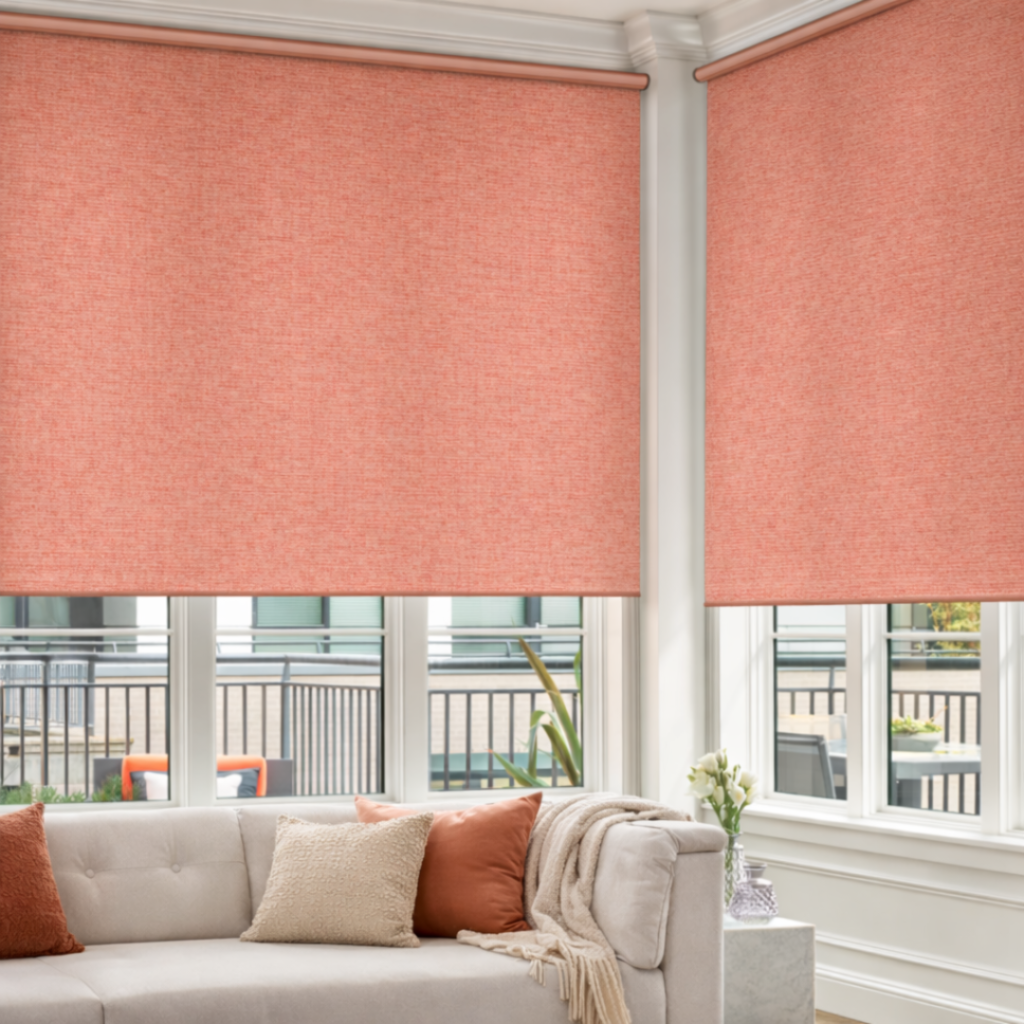
What Is Better Than Window Blinds? A Full Guide to Finding the Perfect Window Treatment Understanding the Basics: Blinds vs. Shades When I first started redesigning my living space, I thought “blinds” and “shades” were just different words for the same thing. It wasn’t until I dove deeper that I realized how fundamentally different they are. Blinds are made of rigid horizontal slats that you can tilt, raise, or lower to control light and privacy. Shades, meanwhile, are made of softer fabrics and can only be raised or lowered, although some innovative designs allow for subtle light diffusion. Understanding these basic differences is crucial when deciding what’s better for your home: flexibility or simplicity. Key Factors to Consider When Choosing Window Treatments Light Control and Privacy Management For me, the biggest question was: “How do I want to manage privacy and natural light?” Blinds offered incredible flexibility. Being able to tilt the slats allowed me to adjust brightness and privacy at any time of day. Shades looked beautiful but only gave me an all-or-nothing option — either fully open or fully closed. If light control is high on your list, blinds will probably serve you better. Cleaning and Maintenance I found that cleaning blinds was as easy as a quick wipe with a cloth. Shades, however, required more delicate care depending on the fabric. Some shades demanded vacuuming or professional cleaning to stay fresh. For a low-maintenance lifestyle, blinds offered a much simpler solution. Durability and Material Strength Blinds, made from tougher materials like wood, vinyl, or aluminum, impressed me with their durability. They stood up better to daily use, pets, and even strong sunlight, without fading or warping. Shades, being fabric-based, are more prone to damage over time — something important if you’re planning for the long haul. Style, Design, and Aesthetic Appeal Both blinds and shades have beautiful design options. Shades often feel softer and cozier, while blinds can look crisp, modern, and clean. I almost went for Roman shades for their luxurious folds, and woven wood shades for their earthy, natural feel. But ultimately, the versatility and finish options of blinds won me over. Energy Efficiency and Insulation During my research, I discovered that honeycomb shades (also called cellular shades) are fantastic for insulation. Their layered design traps air, making homes more energy-efficient. If energy savings are a top priority, shades may beat blinds in this category. Child Safety Features Since I have little ones running around, child safety was non-negotiable. I chose cordless blinds to eliminate any risk posed by dangling cords. Today, many modern blinds and shades come with cordless or motorized options — a huge plus for families. Price and Budget Considerations Naturally, costs varied depending on material, size, and customization. I was pleasantly surprised to find high-quality blinds at a reasonable price point that didn’t sacrifice style or durability. Both blinds and shades offer a wide range of options to fit any budget, but your final cost will depend on the specific features you prioritize. Why Blinds Were the Best Choice for My Home After all my research and hands-on exploration, I fell in love with blinds. They weren’t just a practical choice — they became an essential part of the atmosphere of my rooms. Horizontal and vertical slats gave me total command over the sunlight pouring in, and the wide range of finishes and colors allowed me to seamlessly match my blinds to my home’s decor. Plus, knowing that certain blinds are engineered to resist heat, humidity, and UV damage gave me extra confidence that they would last for years. Final Thoughts: Blinds or Shades — Which One Fits Your Life? After everything, one truth stood out: there’s no universal “better” choice between blinds and shades. It all depends on what you value most: Light control? Go for blinds. Energy efficiency? Shades might be your hero. Ease of cleaning? Blinds again. Soft, elegant aesthetics? Shades win. For my lifestyle, blinds offered the perfect balance of functionality, durability, and beauty.But your needs, habits, and home vibe will guide you to the right decision. Trust me, once you find the perfect window covering, it transforms your entire living space into something truly special.
Inside or Outside Mount Blinds: Which One Looks Better and Works Best?
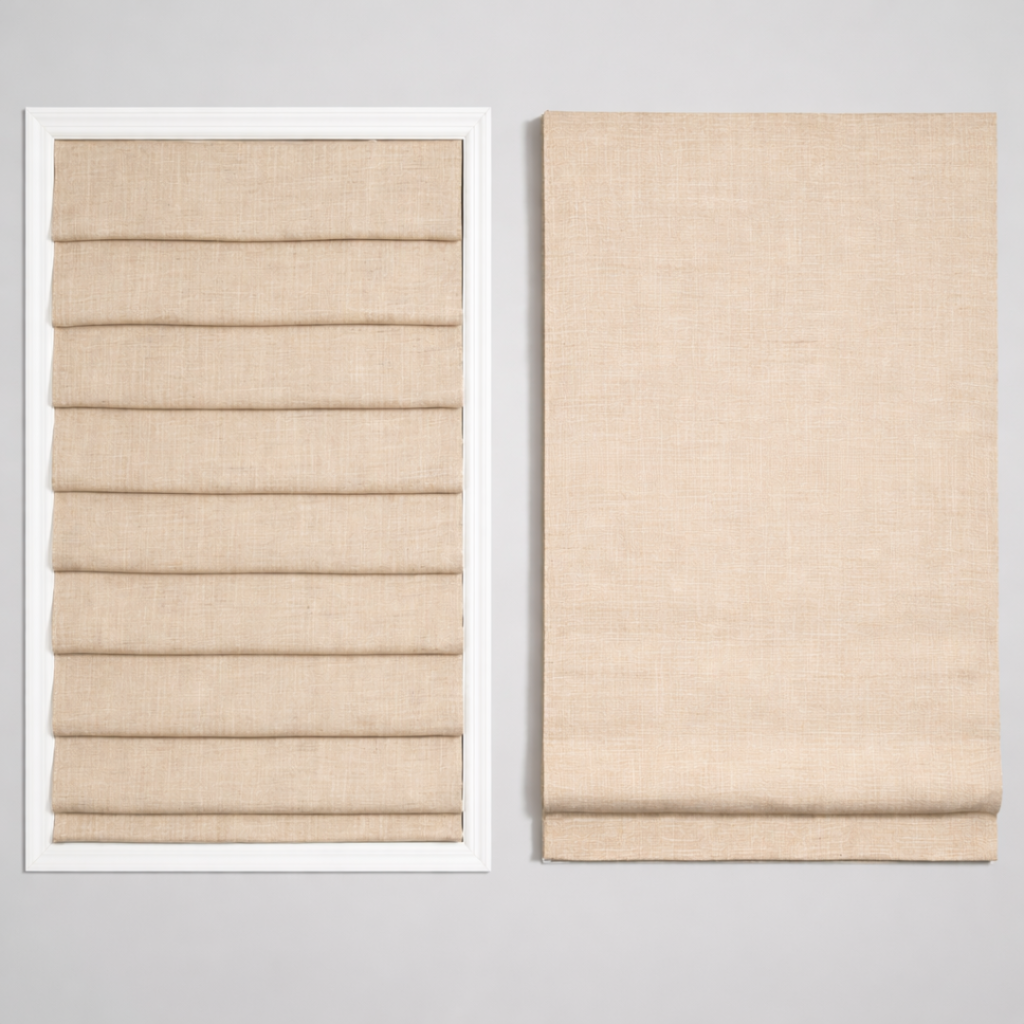
Inside or Outside Mount Blinds: Which One Looks Better and Works Best? Choosing window treatments isn’t just about colors or materials—it’s also about how your blinds are mounted. One of the most commonly overlooked yet crucial questions when shopping for blinds is: Do blinds look better inside or outside the window frame? The answer depends on your space, style preferences, and functional needs. In this in-depth guide, we’ll break down the key differences, the pros and cons of each option, and help you decide which mounting style is best for your home. Understanding the Difference Between Inside and Outside Mount Blinds Before diving into aesthetics and functionality, it’s essential to understand what each type of mount actually means. Inside Mount: Blinds are installed within the window frame, sitting flush with the opening. Outside Mount: Blinds are mounted above or beyond the window frame, covering a larger area than just the glass. The choice isn’t just about where the brackets go—it impacts how the blinds look, how they function, and how well they control light and privacy. Pros and Cons of Inside Mount Blinds Clean, Minimalist Look One of the biggest draws of inside mount blinds is their sleek appearance. They fit neatly within the window frame, making them almost appear built-in. “The first time I saw inside mount blinds, I instantly loved how sleek they looked. They sit neatly inside the window frame, so they don’t stick out into the room. This makes the space feel more open and uncluttered.” This makes them a top pick for rooms with a modern or minimalist aesthetic. Keep the Sill Clear Inside mounts allow full use of your window sill. Whether you’re displaying candles, plants, or photos, the blinds won’t get in the way. “I was able to keep using the window sill for decoration — candles, succulents, little photo frames — and the blinds didn’t interfere with any of it.” Less Light Control The biggest drawback? Gaps. Because the blinds are fitted inside the frame, small gaps can let in light around the edges. While that may not bother everyone, it’s a dealbreaker for those who prefer total darkness. “The only issue I noticed was that a small amount of light still seeped through the sides, especially in the morning. For me, it wasn’t a big deal. But if you’re sensitive to light, it’s something to keep in mind.” Frame Depth Required You’ll need a deep enough frame to support the brackets and the full mechanism of the blinds. Shallow window frames may not be compatible. Pros and Cons of Outside Mount Blinds Superior Light Blocking If you’re looking to block out every last ray of sunlight, outside mounts are the better choice. “In my bedroom — where I really needed to block out light — I went with outside mount blinds. The difference in light control was huge. No more side light slipping in around the edges.” These blinds extend beyond the frame, creating a better seal around the window and improving both privacy and light management. Make Windows Appear Larger An outside mount can create the illusion of a bigger window, especially when the blinds are extended wider and higher than the actual frame. “I liked how the outside mount made my small bedroom windows look bigger. Visually, it gave the illusion of taller, more substantial windows.” This is a useful trick in small or dark rooms that need a sense of openness. Ideal for Shallow or Obstructed Frames Some window frames aren’t deep enough for inside mounts—or they have cranks, levers, or unusual trim. “In my home office, the window frame was too shallow to fit a proper inside mount, so it wasn’t even an option. The outside mount gave me flexibility and still looked polished once everything was installed.” ❌ More Visually Prominent Because outside mounts extend past the window trim, they’re more noticeable. This may be a negative if you’re aiming for a subtle, streamlined look. May Obstruct Wall Decor or Shelving Depending on placement, outside-mounted blinds can overlap with nearby furniture, art, or shelving. Factors to Consider When Choosing Your Mounting Style There’s no one-size-fits-all answer. Instead, consider the following factors to guide your decision: Light Control Go with outside mount if complete darkness or minimal light leakage is essential—ideal for bedrooms, media rooms, or nurseries. Choose inside mount if some ambient light is acceptable or desired, especially in living areas or kitchens. 📏 Window Frame Depth Measure carefully. Inside mount requires sufficient depth to support the headrail. If your window frame is less than 1½ inches deep, outside mount may be your only viable option. “Frame Depth: If your window frame is too shallow, outside mount may be your only choice.” 🛋️ Room Functionality and Usage Living rooms often benefit from inside mounts, especially when you want to use the sill or have furniture near the window. Bedrooms and offices may demand outside mounts for better blackout potential and visual balance. “Functionality: Think about how you use your space. If you need to keep the window sill clear, inside mount is ideal.” 🎨 Visual Impact and Style Inside mount suits clean, modern aesthetics. Outside mount can create a more traditional or dramatic statement. “Aesthetic Preference: Inside mounts give a minimal, built-in look. Outside mounts are bolder and can make windows seem larger.” Real-Life Scenarios: When Each Mount Works Best Let’s explore practical examples where each type truly shines: Living Room: Inside Mount for Elegance and Space If your living room includes shelves, plants, or decorative trim, an inside mount preserves that look. “In my living room, I already had floating shelves and plants close to the windows. The inside mount kept everything tidy and harmonious.” Bedroom: Outside Mount for Blackout Efficiency Want to sleep in without morning light waking you up? Outside mount is your best friend. “No more morning light creeping in. My sleep quality actually improved once I switched.” Home Office: Outside Mount
What Blinds Are Private but Let Light In? The Ultimate Guide to Bright Privacy
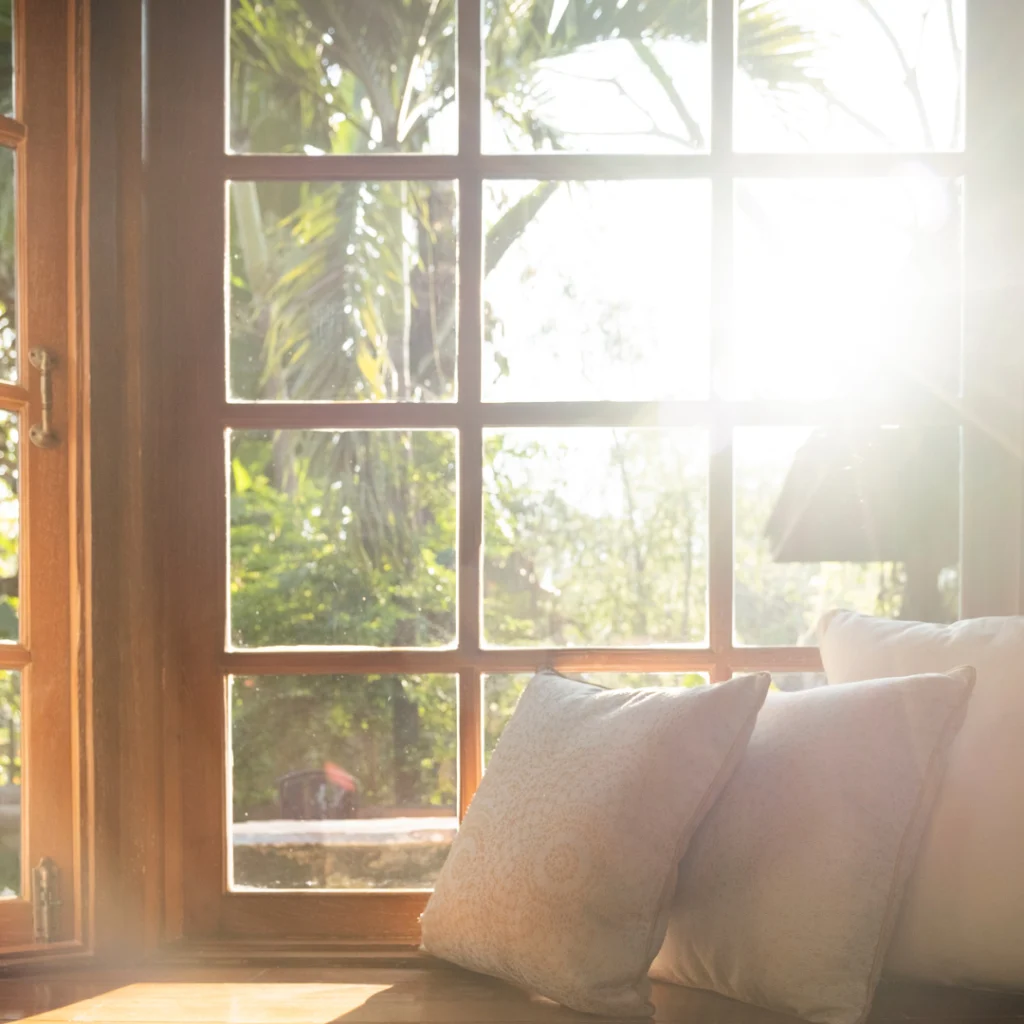
What Blinds Are Private but Let Light In? The Ultimate Guide to Bright Privacy Introduction: Finding the Balance Between Privacy and Natural Light Let’s face it — we all want that beautiful, natural sunlight streaming into our homes during the day. It makes any space feel more open, alive, and welcoming. But when the sun goes down? Privacy becomes non-negotiable. That’s where the right blinds and shades come into play. Choosing window treatments that let in light and provide privacy might sound like a contradiction, but the truth is — the right window coverings can do both. And I’ve gone down that rabbit hole myself, testing, comparing, and figuring out which options truly deliver. So, if you’re wondering what blinds are private but let light in, you’re in the right place. This guide breaks it all down with practical info, real-world experience, and advice you can trust. Understanding Light-Filtering and Privacy Blinds The magic lies in material and design. Some blinds and shades are made from translucent fabrics that filter natural light while obscuring the view from outside. Others offer full control, allowing you to adjust how much light and privacy you want at any given time. Common types of light-filtering privacy options include: Sheer shades (great during the day, still private) Cellular shades with top-down/bottom-up control Solar shades (good during the day, tricky at night) Layered options, combining shades with curtains The key is balance: filter light without exposing your space. Not all blinds are created equal, and not all of them will work for every room or every budget. That’s why I tested them myself. Top Blinds That Let Light In But Keep Your Home Private 1. Sheer Shades If you’re looking for soft natural light without sacrificing privacy, sheer shades are a top contender. These are made from layered fabrics with vanes in between — think of them as a hybrid between blinds and curtains. Pros: Great during the day Softens harsh sunlight Allows filtered light while limiting visibility from outside Cons: Not ideal for full nighttime privacy unless paired with a liner Light filtering only — not blackout 💡 “Sheer shades are ideal for those who want to benefit from plenty of natural light during the day but still have their privacy at night.” 2. Cellular Shades (Top-Down Bottom-Up) These shades are a lifesaver when you want control over light and privacy. I love how they can be lowered from the top or raised from the bottom, giving you customizable coverage. Pros: Superior insulation and energy efficiency Available in light-filtering or blackout fabrics Allows light from above while blocking direct lines of sight Cons: Can be expensive Requires precise measuring and installation 💡 “Cellular shades offer all kinds of benefits… the top down bottom up feature is excellent for privacy at night.” 3. Solar Shades Need to reduce glare, keep UV rays out, and still enjoy your view? Solar shades might be your pick. They’re sleek, modern, and effective — during the day. Pros: Filters light beautifully Blocks UV rays and reduces heat Maintains outside view while providing daytime privacy Cons: Not very private at night when interior lights are on May require layering with curtains for full coverage 💡 “Solar shades are a great option if you want daytime light control as well as nighttime privacy… but you won’t get a clear view out during the day.” 4. Roman Shades Stylish and functional, roman shades provide complete coverage when lowered. With fabric choices ranging from sheer to blackout, you can fine-tune the light-to-privacy ratio. Pros: Elegant aesthetic Customizable fabrics for light filtering or full blackout Excellent for bedrooms and living rooms Cons: Not ideal for modern/minimalist interiors Typically more expensive 💡 “Roman shades are an excellent choice. They cover the entire window and come in light-filtering and blackout options.” 5. Roller Shades Simple, practical, and effective — roller shades are one of my favorite budget-friendly solutions. Pros: Full window coverage Light-filtering and blackout options Clean and modern look Cons: Limited design choices May need layering for more style or insulation 💡 “Roller shades are incredibly practical. They’re affordable, provide excellent light control, and offer complete privacy when lowered.” 6. Bamboo and Woven Wood Shades Looking for a natural, earthy vibe? Bamboo and woven wood shades offer texture and partial privacy — especially when layered with liners. Pros: Great aesthetic Filters light naturally Eco-friendly option Cons: Gaps between slats may reduce privacy Installation can be tricky 💡 “Woven wood shades… provide complete privacy while still allowing some light to enter your home.” 7. Panel Track Shades These large fabric panels slide across a track, offering flexible coverage for larger windows or sliding glass doors. Pros: Customizable positioning Modern and minimal Good for large or wide windows Cons: May require professional installation Limited in small spaces 💡 “Panel track shades are designed for those who want precise control over light and privacy at night.” 8. Pleated Shades Think of these as the stylish cousin of cellular shades. They offer visual interest and come in light-filtering options. Pros: Decorative and effective Affordable Can be layered with liners Cons: Less insulating than cellular May wear down faster 💡 “Pleated shades suit those who want to add some style to their window coverings without sacrificing privacy.” Which Blinds Offer the Most Privacy Without Blocking Daylight? If privacy is your top priority, go for blackout shades or cellular shades with top-down bottom-up functionality. They offer the most control. For daytime privacy with sunlight, sheer shades and solar shades shine — just remember to add a second layer if night privacy matters. 💬 “Blackout blinds… provide total privacy and darkness when you need it – but they also help with temperature regulation and soundproofing.” Best Rooms to Use Light-Filtering Privacy Shades Bedrooms Privacy is a must. Go with blackout or layered shades to keep light out and intimacy in. Living Rooms Sheer or solar shades let light in while maintaining a cozy, inviting atmosphere. Bathrooms Moisture-resistant, light-filtering shades work well —
8 Stylish Alternatives to Traditional Blinds for a Modern Home
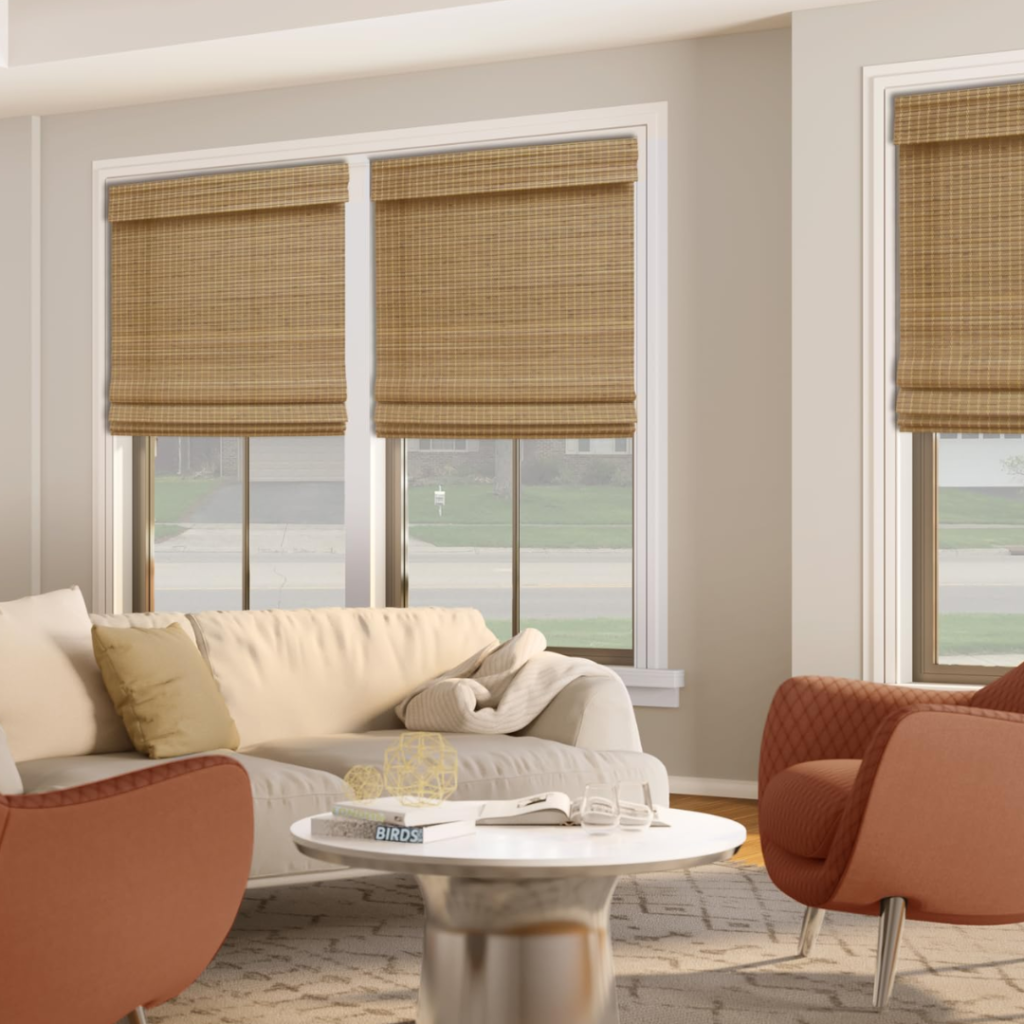
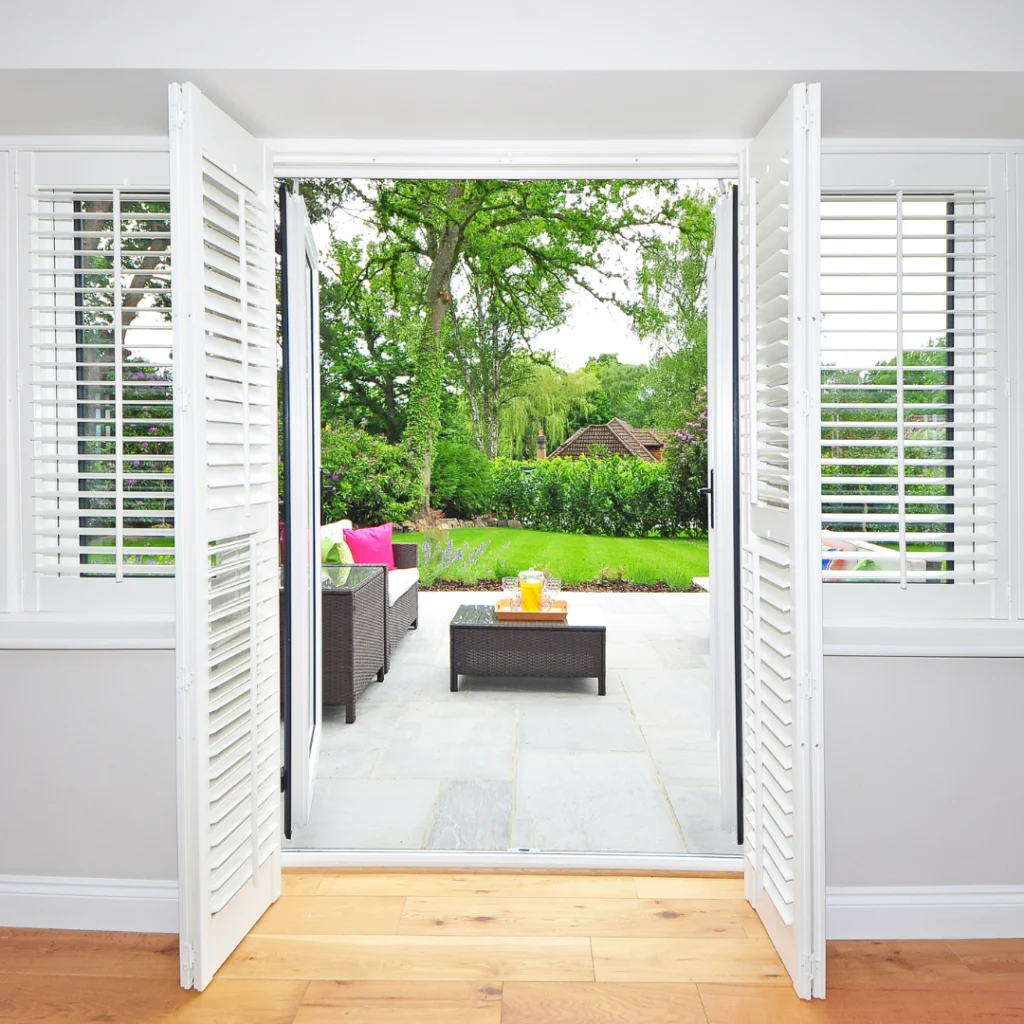
8 Stylish Alternatives to Traditional Blinds for a Modern Home Looking to update your window coverings and ditch traditional blinds? You’re in the right place. During a recent full-home renovation in the U.S., I found myself diving deep into the world of modern window treatments—and I was genuinely surprised by how many beautiful, functional alternatives to standard blinds exist. Whether you’re going for energy efficiency, added style, or more flexible privacy options, there’s something here for every room and every taste. Here are eight of the best blinds alternatives I found—each one tested, loved, and now proudly showcased in my own home. 1. Modern Plantation Shutters: Clean, Classic, and Custom-Fit Plantation shutters offer a timeless, upscale aesthetic that works well in both traditional and modern homes. I chose these for my kitchen and living room, and they completely transformed the vibe. The wide louvers allow for excellent light control, and when closed, they provide a sleek, finished look. Beyond appearance, I love how easy they are to clean and how well they insulate the space. They’re built to last and, because they’re custom-fit, they blend seamlessly into the window frame—no clunky hardware or cheap finishes here. 2. Café-Style Shutters: Light and Privacy in Perfect Balance Inspired by cozy European cafés, café-style shutters only cover the bottom half of a window, letting natural light stream in while maintaining privacy where you need it most. I installed these in a small guest bathroom that faces the street and instantly loved the casual, charming atmosphere they created. These are ideal for spaces where full-length coverage feels too heavy but you still want some separation from the outside world. Bonus: they look amazing paired with simple sheer curtains for added softness. 3. Tier-on-Tier Shutters: Full Control, Full Style Tier-on-tier shutters are a smart, flexible solution that gives you two independently operated sets of shutters—top and bottom. In my master bedroom, I loved being able to open just the upper portion in the morning for natural light, while keeping the lower panels closed for privacy. These are perfect for any room where you want adjustable coverage throughout the day. They bring a structured, architectural look to windows and offer more control than any standard blinds ever could. 4. Roman Shades: Elegant, Textured, and Totally Customizable Roman shades were a personal favorite during my home renovation. I went with a soft woven fabric in a warm neutral tone for the dining room, and it completely elevated the space. Roman shades add softness and texture, and you can choose from endless fabrics, colors, and lining options—sheer, light-filtering, or blackout. They fold neatly when raised and drape gracefully when lowered, making them as practical as they are stylish. These are perfect if you want a window treatment that feels cozy, elegant, and tailored. 5. Honeycomb Shades: Sleek, Modern, and Energy-Efficient If you’re thinking long-term comfort and lower utility bills, honeycomb (or cellular) shades are worth the investment. Their unique design traps air in hexagonal cells, creating insulation that keeps your space warmer in winter and cooler in summer. I installed these in my home office and guest room—places that got direct sun—and saw a noticeable improvement in indoor temperature. They look clean and minimal, and you can choose from cordless, top-down bottom-up, and motorized options. Ideal for anyone who wants function without sacrificing form. 6. Printed Roller Shades: Add Personality to Your Windows Want to make a bold or creative statement? Printed roller shades are the way to go. These sleek, compact shades roll up when not in use and can showcase anything from subtle patterns to bold prints. In my home office, I added a roller shade with a modern geometric print. It gave the room character and a custom touch without overwhelming the space. Roller shades are easy to use, easy to clean, and available in blackout or light-filtering materials. Great for kids’ rooms, offices, or any space that needs a pop of personality. 7. Fabric Blinds: The Best of Both Worlds Think of fabric blinds as a more refined version of traditional blinds. You get the same slatted functionality but in softer, woven materials that create a gentler ambiance. They’re perfect for people who want more texture without giving up the classic blind structure. I recommended these to a friend for her baby’s nursery, and the space turned out so warm and calming. With options ranging from sheer to full blackout, fabric blinds strike the right balance between softness and structure. 8. Panel Track Blinds: Sleek Solution for Big Windows If you’re dealing with large windows or sliding glass doors, vertical blinds might seem like your only choice—but there’s a better one. Panel track blinds are wide fabric panels that glide smoothly across a track. They look modern, elegant, and make a real statement. I used them for a sliding patio door, and the clean, uninterrupted lines made the room feel more open and contemporary. You can mix and match panel materials too—from sheer to textured blackout—so you can control light and style simultaneously. How to Choose the Right Alternative to Blinds Choosing the right window treatment isn’t just about looks—it’s about finding a solution that fits your lifestyle. Here’s what to consider: Room use: Bedrooms may need blackout shades; living rooms might benefit from light-filtering options. Privacy: Tiered shutters and honeycomb shades offer excellent privacy without compromising style. Style preferences: Whether your home is modern, rustic, boho, or minimalist, there’s a treatment that fits. Energy efficiency: Honeycomb shades and heavy Roman fabrics help regulate indoor temperature. Smart features: Motorized and app-controlled options are more affordable than ever and add serious convenience. Top Trends in Window Treatments From my renovation research (and a few too many hours on design blogs), here are some trending styles you’ll keep seeing: Natural materials: Bamboo, jute, and woven woods are making a big comeback. Smart shades: Voice-controlled and app-enabled shades are becoming more mainstream. Layering textures: Mixing shades