

What Kind of Blinds Collect the Least Amount of Dust?
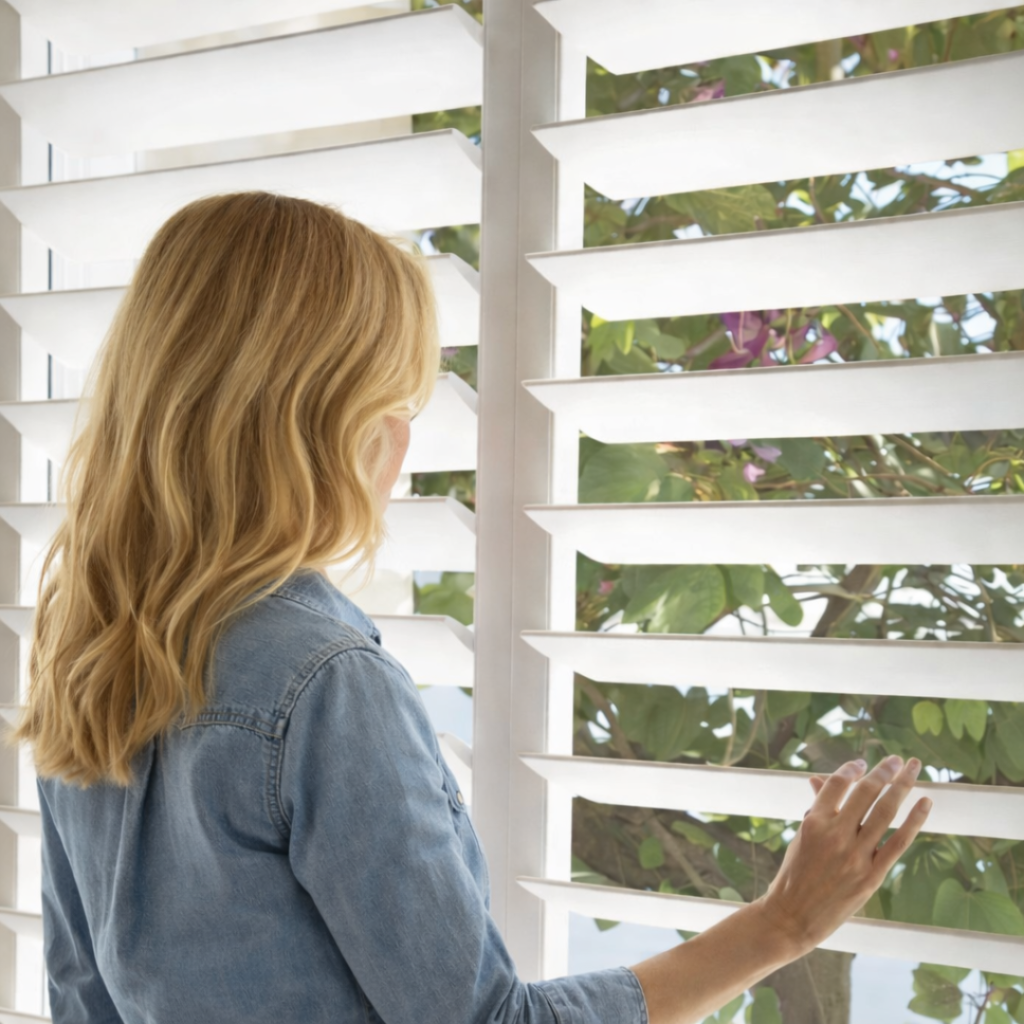
What Kind of Blinds Collect the Least Amount of Dust? Dust might seem like a small inconvenience—until it’s covering every surface of your home, especially your window blinds. Choosing the right type of window treatment can significantly reduce the amount of dust you have to clean and improve your indoor air quality, especially if you or a loved one suffers from allergies. So, what kind of blinds collect the least amount of dust? Let’s dive into the details and find out which options are best for a cleaner, low-maintenance home. Why Dust Matters When Choosing Window Blinds When we think about home maintenance, window blinds are often overlooked. But they can be a major magnet for dust, allergens, and static—especially if you choose the wrong material or design. Dust buildup doesn’t just look bad; it can: Trigger allergy and asthma symptoms Diminish air quality Make your home look less clean, even when everything else is spotless Require constant, frustrating maintenance In homes with pets, heavy traffic, or open windows, blinds can accumulate dust even faster. That’s why it’s essential to choose blinds designed to resist dust naturally or make cleaning easy. What Causes Dust to Accumulate on Blinds? Dust doesn’t just fall from the sky—it’s a mix of skin cells, fibers, pollen, and even insect particles. On blinds, this dust clings due to a few specific factors: Horizontal surfaces: The more flat surfaces your blinds have, the more area there is for dust to settle. Static electricity: Certain materials, especially fabrics or plastics, build up static charges that attract dust like a magnet. Airflow: If your blinds are near a fan, vent, or open window, they’re more exposed to airborne particles. Understanding these causes helps explain why certain blinds collect more dust than others—and how to avoid them. Vertical vs. Horizontal Blinds: Which Stay Cleaner? Here’s where things get interesting. “I used to think all window treatments were the same—until I switched to vertical blinds. After constantly battling dust on my old horizontal blinds, I decided to try something different. The vertical slats were a game-changer. They collect far less dust because any particles just fall straight to the floor instead of settling on the blinds themselves.” This real-life experience perfectly illustrates one of the biggest advantages of vertical blinds: gravity works in your favor. Instead of creating dust “shelves” like horizontal blinds do, vertical blinds allow dust to fall to the floor where it can be vacuumed up easily. Let’s compare: Feature Vertical Blinds Horizontal Blinds Dust accumulation Minimal High Cleaning frequency Monthly Weekly Ease of cleaning Easy (wipe & done) Tedious (slat-by-slat) Static buildup Low Moderate to high If reducing your dusting time is a priority, vertical blinds clearly win this category. Top 5 Blinds That Collect the Least Amount of Dust Let’s break down the best types of blinds for dust resistance, based on materials, structure, and ease of cleaning: 1. Vertical Blinds (Vinyl or Fabric-Coated) Why they work: Gravity prevents dust buildup, and the smooth surfaces don’t attract particles. Best for: Living rooms, patios, large windows Maintenance: Quick wipe-down every few weeks “Cleaning them takes just a few minutes, which is a huge time-saver for me…” 2. Aluminum Mini Blinds Why they work: Smooth, anti-static surface repels dust Best for: Kitchens, bathrooms Maintenance: Wipe with microfiber cloth or Swiffer 3. Faux Wood Blinds (PVC or Composite) Why they work: Less porous than real wood, so they don’t trap dust Best for: Bedrooms, home offices Maintenance: Occasional dry dusting 4. Roller Shades (with Dust-Repellent Coating) Why they work: No slats = no shelves for dust to rest Best for: Minimalist or modern interiors Maintenance: Light vacuuming or damp cloth 5. Honeycomb/Cellular Shades Why they work: Enclosed design limits dust exposure Best for: Bedrooms, nurseries Maintenance: Vacuum gently with a brush attachment While roller and honeycomb shades also rank high for cleanliness, nothing beats the effortless maintenance of vertical blinds, especially in dust-prone households. Best Materials for Dust-Resistant Window Blinds Material matters just as much as design. Some materials naturally resist dust better than others: Material Dust Resistance Comments Vinyl ⭐⭐⭐⭐ Budget-friendly and easy to clean Aluminum ⭐⭐⭐⭐ Lightweight and static-resistant Faux Wood ⭐⭐⭐ More resistant than real wood Real Wood ⭐⭐ Beautiful but needs more maintenance Fabric ⭐ Dust magnet unless treated Avoid uncoated fabric blinds if you’re trying to minimize dust. They trap particles in their fibers and can be difficult to clean thoroughly. How to Keep Your Blinds Dust-Free With Minimal Effort Choosing the right blinds is just the first step. Here are some pro tips to make your life even easier: Use a microfiber cloth weekly Microfiber traps particles instead of spreading them around. Swipe quickly once a week and you’ll barely notice buildup. Apply an anti-static spray Lightly spray your blinds with an anti-static product after cleaning. This reduces future dust collection. Avoid fabric softeners or fragranced cleaners These can leave behind residues that actually attract more dust. Keep the air clean Regular vacuuming and air purifiers reduce overall dust in your home, especially important if you suffer from allergies. “Compared to roller shades or even traditional shutters, these blinds are by far the easiest to maintain.” That’s the beauty of picking the right style: maintenance becomes a breeze. Bonus: Style Meets Function—Blinds That Look Great and Stay Clean Low maintenance doesn’t have to mean boring. The right blinds can be both practical and stylish. “Their sleek design gives my living room a clean, modern look that I absolutely love.” Vertical blinds, in particular, come in a variety of colors, textures, and finishes that match any decor—modern, minimalist, or even traditional. And with newer materials available, they don’t look outdated like they once did. Roller shades and faux wood blinds also offer modern elegance without sacrificing function. So you can enjoy a dust-free environment without compromising on style. Final Thoughts: The Best Low-Maintenance Choice for Clean Homes If you’re tired of cleaning blinds every
What Blinds Are Best for Seeing Out But Not In? The Ultimate Privacy Guide
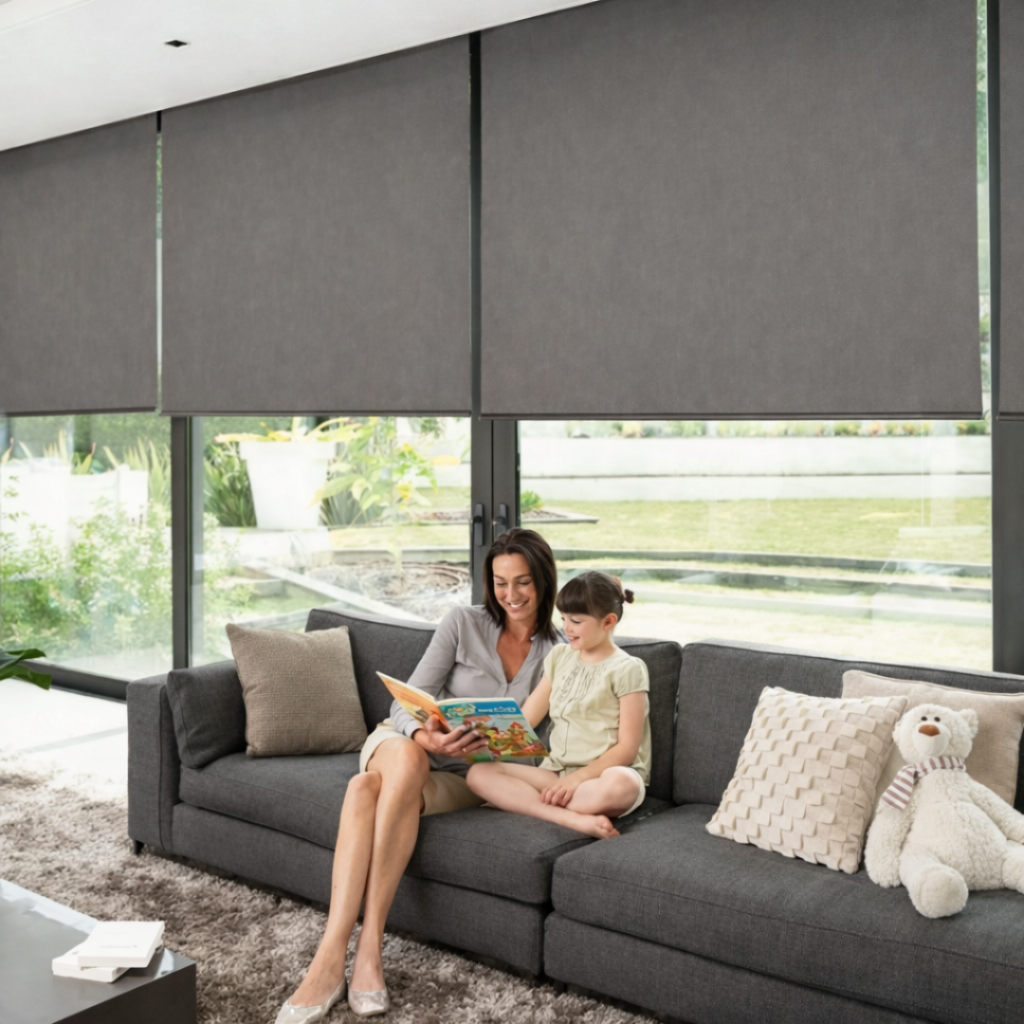
What Blinds Are Best for Seeing Out But Not In? The Ultimate Privacy Guide Let’s be honest—when it comes to choosing the right window blinds, we all want the same thing: to enjoy natural light, without putting our privacy at risk. If you’ve ever wondered:“What blinds are best for seeing out but not in?”—you’re definitely not alone. I went through this exact question when I moved into my new home. I wanted that sunny, airy vibe—but didn’t want my neighbors or dog-walking strangers peeking into my space. So, I did the research, tested real solutions, and here’s everything you need to know before making your decision. 1. What Blinds Let You See Out But Not In? The most common option people turn to for this purpose is solar shades. These modern roller shades are designed with a unique fabric weave that offers what feels like “one-way visibility.” You get to see out, but during the day, people outside can’t easily see in. Here’s how it works: Solar shades come in openness levels, typically between 1% and 14%. A lower openness (3-5%) blocks more UV rays and offers better privacy. A higher openness gives more view but less privacy. They’re great for south- or west-facing windows where sun can be intense. I personally installed solar shades in my living room, and they were fantastic during the day—tons of light, less glare, and excellent outward visibility. But at night… things changed. 2. How Solar Shades Provide Daytime Privacy (But Not at Night) Here’s the key limitation: light direction matters. During the day, sunlight outside is brighter than your interior light—so people can’t see in. But when it’s dark outside and you switch on your lamps?The privacy reverses.Now you’re the one on display, and your cozy living room becomes a glowing fishbowl. That’s what happened to me. I loved the look of the solar shades and how they filtered the light—but I couldn’t ignore that they didn’t protect my privacy after sunset. If you want all-day privacy, solar shades alone won’t cut it. So what’s the next step? 3. The Nighttime Problem: Why One-Way Privacy Isn’t 24/7 When I realized the limitations of solar shades, I started looking into dual-function shades and smarter layering options. What I needed was a solution that adjusted with the time of day—just like my lighting needs. Some key takeaways: Privacy during the day is easy with solar fabrics. Privacy at night requires either: a second layer, like drapery or blackout liners or a shade that transforms (hello, dual shades!) This is where my entire perspective changed. 4. Dual Shades: The Best of Both Worlds Enter Dual Sheer Shades and Unison Shades—modern window treatments that do double duty. These shades are designed with two layers: A light-filtering layer for daytime use A blackout or room-darkening layer you can deploy at night When I tested Unison shades in my bedroom, I knew I was onto something. During the day, I left the sheer layer down for soft lighting and visibility. At night, I pulled the opaque layer down, and boom—total privacy. I even discovered I could keep the top portion open while covering the bottom. Perfect for privacy without losing all my daylight. Dual Sheer Shades were just as impressive. Their alternating bands of sheer and opaque material allow you to tilt the fabric layers with a chain or motorized control, adjusting light and privacy exactly how you want. No wonder these are becoming a go-to for bedrooms and common areas alike. 5. Using Shutters, Liners, and Layering for Full-Time Privacy Now, what if you want a more classic look—or need total control over light and visibility? That’s where shutters and layered solutions shine. Why I Chose Shutters for My Bathrooms: Shutters aren’t just timeless—they’re practical. They give you adjustable louvers, so you can tilt them for just the right amount of light or privacy. They look clean, elegant, and upscale—perfect for guest rooms and bathrooms. Plus, they’re excellent at insulating and dampening noise. In high-humidity rooms like bathrooms, they also hold up better than some fabric-based options. If you’re set on keeping your solar shades, adding a privacy liner or combining them with drapery is another solid route. You get the daytime view with the option to shut out the night when needed. 6. Matching Blinds to Each Room: What Works Best Where? One of the biggest lessons I learned is that not all rooms need the same solution. That’s why I ended up with a mix: Room What I Chose Why Living Room Solar Shades Beautiful view, daytime light, clean look Bedroom Dual Sheer Shades Customizable privacy, great for morning and night Bathroom Shutters Privacy 24/7, moisture resistance, timeless feel Tip: Think about how you use the space. A kitchen might not need blackout layers, but a bedroom probably does. 7. Expert Help: Why a Personalized Solution Is Worth It I’ll be honest—I didn’t figure this all out on my own. After weeks of research, I called Blissful Shades, and it made all the difference. They brought real samples to my home and walked me through how the fabrics and mechanisms worked in my lighting conditions. Sometimes, what looks good online doesn’t feel right in your space. That’s why working with a local expert like Blissful Shades saved me time, money, and regrets. 8. Final Thoughts: Mixing Blinds for Privacy, Style & Light So, what blinds really let you see out but not in? Solar shades: Perfect for daytime privacy—but not at nightDual shades: Excellent balance between light and privacy, any timeShutters: Full control, classic look, and peace of mind The bottom line: There’s no one-size-fits-all. But by mixing solutions, understanding your needs, and getting expert input, you can absolutely find blinds that offer visibility, style, and the privacy you need—day or night.
8 Stylish Alternatives to Traditional Blinds for a Modern Home
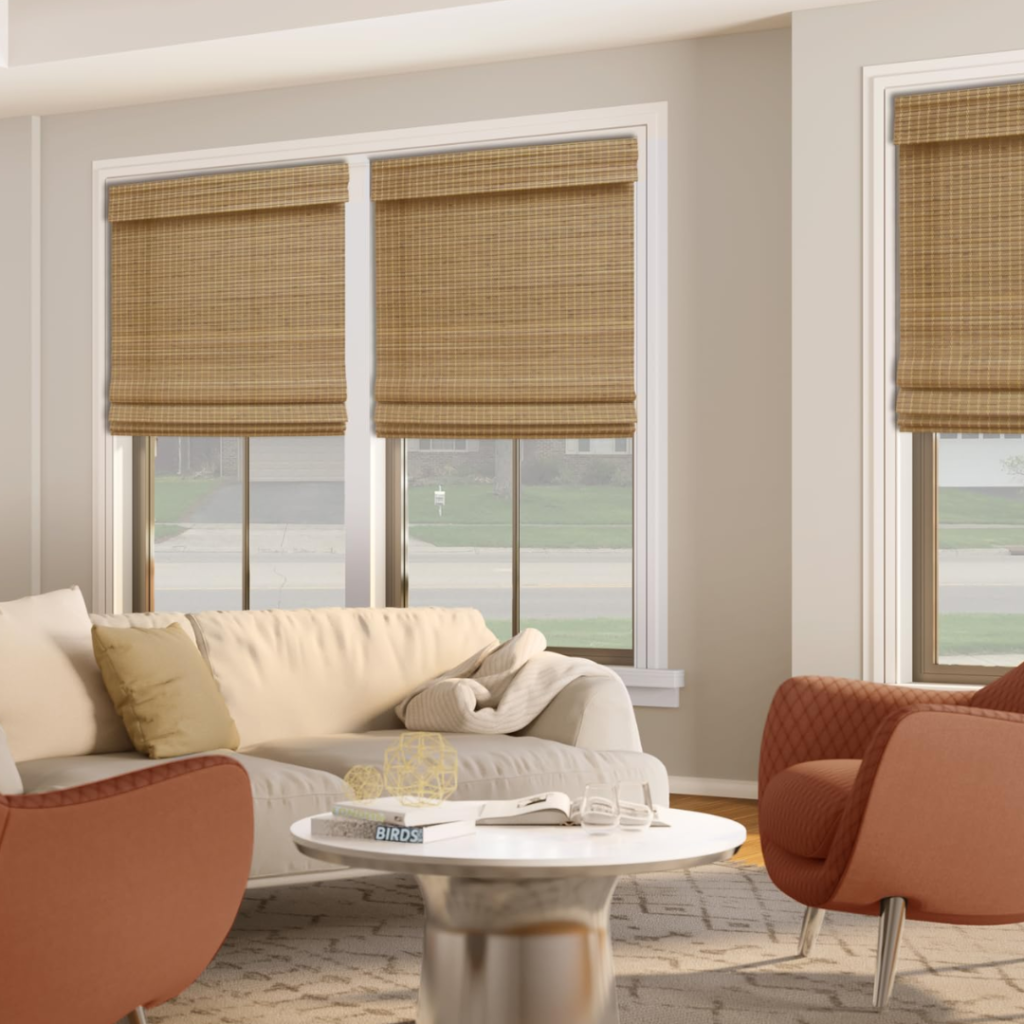
8 Stylish Alternatives to Traditional Blinds for a Modern Home Looking to update your window coverings and ditch traditional blinds? You’re in the right place. During a recent full-home renovation in the U.S., I found myself diving deep into the world of modern window treatments—and I was genuinely surprised by how many beautiful, functional alternatives to standard blinds exist. Whether you’re going for energy efficiency, added style, or more flexible privacy options, there’s something here for every room and every taste. Here are eight of the best blinds alternatives I found—each one tested, loved, and now proudly showcased in my own home. 1. Modern Plantation Shutters: Clean, Classic, and Custom-Fit Plantation shutters offer a timeless, upscale aesthetic that works well in both traditional and modern homes. I chose these for my kitchen and living room, and they completely transformed the vibe. The wide louvers allow for excellent light control, and when closed, they provide a sleek, finished look. Beyond appearance, I love how easy they are to clean and how well they insulate the space. They’re built to last and, because they’re custom-fit, they blend seamlessly into the window frame—no clunky hardware or cheap finishes here. 2. Café-Style Shutters: Light and Privacy in Perfect Balance Inspired by cozy European cafés, café-style shutters only cover the bottom half of a window, letting natural light stream in while maintaining privacy where you need it most. I installed these in a small guest bathroom that faces the street and instantly loved the casual, charming atmosphere they created. These are ideal for spaces where full-length coverage feels too heavy but you still want some separation from the outside world. Bonus: they look amazing paired with simple sheer curtains for added softness. 3. Tier-on-Tier Shutters: Full Control, Full Style Tier-on-tier shutters are a smart, flexible solution that gives you two independently operated sets of shutters—top and bottom. In my master bedroom, I loved being able to open just the upper portion in the morning for natural light, while keeping the lower panels closed for privacy. These are perfect for any room where you want adjustable coverage throughout the day. They bring a structured, architectural look to windows and offer more control than any standard blinds ever could. 4. Roman Shades: Elegant, Textured, and Totally Customizable Roman shades were a personal favorite during my home renovation. I went with a soft woven fabric in a warm neutral tone for the dining room, and it completely elevated the space. Roman shades add softness and texture, and you can choose from endless fabrics, colors, and lining options—sheer, light-filtering, or blackout. They fold neatly when raised and drape gracefully when lowered, making them as practical as they are stylish. These are perfect if you want a window treatment that feels cozy, elegant, and tailored. 5. Honeycomb Shades: Sleek, Modern, and Energy-Efficient If you’re thinking long-term comfort and lower utility bills, honeycomb (or cellular) shades are worth the investment. Their unique design traps air in hexagonal cells, creating insulation that keeps your space warmer in winter and cooler in summer. I installed these in my home office and guest room—places that got direct sun—and saw a noticeable improvement in indoor temperature. They look clean and minimal, and you can choose from cordless, top-down bottom-up, and motorized options. Ideal for anyone who wants function without sacrificing form. 6. Printed Roller Shades: Add Personality to Your Windows Want to make a bold or creative statement? Printed roller shades are the way to go. These sleek, compact shades roll up when not in use and can showcase anything from subtle patterns to bold prints. In my home office, I added a roller shade with a modern geometric print. It gave the room character and a custom touch without overwhelming the space. Roller shades are easy to use, easy to clean, and available in blackout or light-filtering materials. Great for kids’ rooms, offices, or any space that needs a pop of personality. 7. Fabric Blinds: The Best of Both Worlds Think of fabric blinds as a more refined version of traditional blinds. You get the same slatted functionality but in softer, woven materials that create a gentler ambiance. They’re perfect for people who want more texture without giving up the classic blind structure. I recommended these to a friend for her baby’s nursery, and the space turned out so warm and calming. With options ranging from sheer to full blackout, fabric blinds strike the right balance between softness and structure. 8. Panel Track Blinds: Sleek Solution for Big Windows If you’re dealing with large windows or sliding glass doors, vertical blinds might seem like your only choice—but there’s a better one. Panel track blinds are wide fabric panels that glide smoothly across a track. They look modern, elegant, and make a real statement. I used them for a sliding patio door, and the clean, uninterrupted lines made the room feel more open and contemporary. You can mix and match panel materials too—from sheer to textured blackout—so you can control light and style simultaneously. How to Choose the Right Alternative to Blinds Choosing the right window treatment isn’t just about looks—it’s about finding a solution that fits your lifestyle. Here’s what to consider: Room use: Bedrooms may need blackout shades; living rooms might benefit from light-filtering options. Privacy: Tiered shutters and honeycomb shades offer excellent privacy without compromising style. Style preferences: Whether your home is modern, rustic, boho, or minimalist, there’s a treatment that fits. Energy efficiency: Honeycomb shades and heavy Roman fabrics help regulate indoor temperature. Smart features: Motorized and app-controlled options are more affordable than ever and add serious convenience. Top Trends in Window Treatments From my renovation research (and a few too many hours on design blogs), here are some trending styles you’ll keep seeing: Natural materials: Bamboo, jute, and woven woods are making a big comeback. Smart shades: Voice-controlled and app-enabled shades are becoming more mainstream. Layering textures: Mixing shades