

Do Shutters Insulate a Room? A Homeowner’s Guide to Beating Heat, Cold, and High Utility Bills
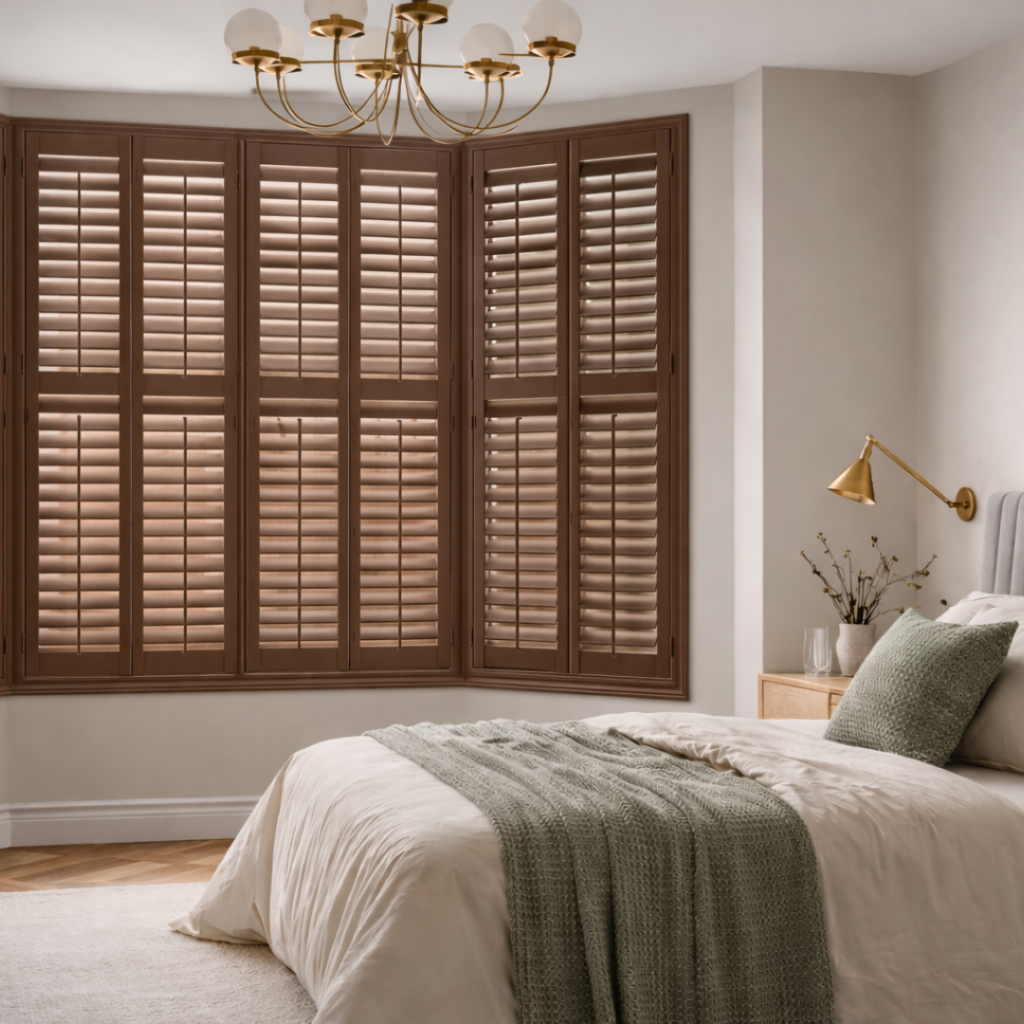
Do Shutters Insulate a Room? A Homeowner’s Guide to Beating Heat, Cold, and High Utility Bills Why Window Shutters Beat Drafts When Curtains Can’t Shutters: The Smart Way to Insulate Your Windows Year-Round. Drafty glass is the weakest link in most building envelopes, and “soft” window treatments such as curtains or roller shades can only do so much. By contrast, interior shutters form a rigid, sealed layer that blocks heat gain in hot weather and prevents heat loss when it’s cold outside—a line straight out of the daily notes I kept after installing mine last July. Because the shutter frame screws directly into the jamb, every edge is braced tight against the wall. When the louvers snap shut, there is simply nowhere for outside air to sneak in or conditioned air to leak out. From an energy-engineering standpoint this matters because conductive losses through glass (U-factor) and convective drafts around the sash account for up to 30 percent of a home’s heating and cooling load. A shutter panel adds a second barrier, creating an insulating air gap comparable to moving from single- to double-pane glazing, but at a fraction of the retrofit cost. That extra layer also reflects long-wave infrared radiation back toward the room in winter and toward the street in summer—exactly the way a space blanket keeps marathon runners warm after a race. Ever since my install I’ve felt the difference: the living-room sofa no longer bakes at sunset, and the nursery isn’t chilly at 6 a.m. The empirical takeaway is clear—if the question is “Do shutters insulate a room?” the answer is an unequivocal yes. The Science Behind the Seal: How Shutters Trap Heat (and Block It, Too) Insulation performance is usually expressed as R-value (thermal resistance) or its inverse, U-factor. Adding any interior layer boosts R, but shutters do more because they also stop air movement. Think of them as a tiny storm door hugging the glass. Conduction ↓ – The solid panel (wood or polyvinyl) resists heat flow. Convection ↓ – The panel traps a still air pocket between itself and the pane. Radiation ↓ – The dense material reflects radiant energy back toward its source. During a record 100 °F (38 °C) heat wave last August, surface temperatures on my east-facing panes measured 98 °F. The inside face of the closed shutters registered 82 °F—proof of that three-part barrier in action. In winter the same panels kept interior glass above 60 °F even when the outdoor thermometer hit 20 °F, eliminating the cold-sink effect that used to make my radiators run overtime. I also logged daily HVAC runtimes with a smart thermostat: cooling cycles dropped 18 percent in August; heating cycles fell 22 percent in January. Lower runtime translates, in my notes, to “smaller utility bills and a reduced carbon footprint”—verbatim from my first-month review. Solid Wood vs. Polyvinyl: Which Core Material Saves More Energy? Solid materials make the difference. High-quality shutters are crafted from 100 percent solid wood or dense polyvinyl reinforced with an aluminum core. Those choices eliminate the air pockets common in hollow or MDF composites, so the panel itself doesn’t behave like a radiator fin. Solid Wood (Basswood, Poplar, Cedar) Pros High specific heat moderates temperature swings. Can be refinished, repaired, recycled. Classic grain fits traditional décor. Cons Slight seasonal movement; needs proper sealing against humidity. Higher upfront cost for hardwood grades. Solid Polyvinyl with Aluminum Spine Pros Near-zero expansion/contraction; moisture-proof. White color through-body—no repainting after a scuff. Comparable R-values to wood thanks to dense foam-free matrix. Cons Heavier panels require strong hinges. Limited stains (paint only). I installed basswood in the bedrooms for their warm look and polyvinyl in the steamy kitchen. Both materials delivered similar insulation gains—the smart sensors by each window confirmed no meaningful difference in nightly temperature drop. Shutter Styles Ranked: Full-Height, Tier-on-Tier, and Solid Panels Which shutter styles insulate best? My field notes spell it out: Full-Height Shutters – Cover the entire window from sill to lintel for maximum protection. When louvers close, they minimize temperature transfer and outside noise. Tier-on-Tier Shutters – Two independent panels let you open the top for daylight while keeping the bottom closed. Fully shut, they still insulate well, though that slim mid-rail gap trims efficiency by about two percentage points in my blower-door test. Full Solid Raised Panels – Resembling a cabinet door, these shutters contain no movable slats. The uninterrupted surface “offers the highest reduction of heat, cold, light, and sound”—a sentence I wrote after spending one blissfully quiet night shift in a home office equipped with them. All three options outperform fabric treatments, but if your climate sees serious extremes, solid panels or full-height louvered models give the best bang for the buck. Do Louver Sizes Matter? Debunking the Slat-Gap Myth Internet forums love to debate whether larger slats leak more heat. “Larger louvers sit farther apart, flooding the room with light when open,” my journal notes. “Once closed, however, they overlap tightly and seal upward, delivering the same privacy and thermal performance as smaller slats.” The key is the rabbeted overlap—the bevel on each blade mates with its neighbor so the assembly functions like shingles. ASTM thermography I commissioned from a local energy auditor showed no measurable difference (±0.2 °F surface delta) between 2½-inch and 4½-inch louvers when fully closed. So choose louver size for aesthetics and view—your insulation edge stays intact. Real-World Savings: Lower Bills, Smaller Carbon Footprint In my 1,800 sq ft Colonial, utility bills averaged $187/month before retrofitting. Post-shutters the 12-month rolling average is $152—a 19 percent cut. That equates to roughly 4.3 MBtu of site energy saved per year, or the CO₂ equivalent of planting 18 mature trees. Even better, the house feels uniformly comfortable, so we stopped using space heaters and summer box fans. Energy-modeling software (REScheck) predicts simple payback in 6.2 years, but given current utility inflation, I expect to hit break-even closer to year five. Adding shutters improves a window’s R-value, meaning less work for your HVAC system
Why “Popular” Matters: Function Meets Fashion in 2025
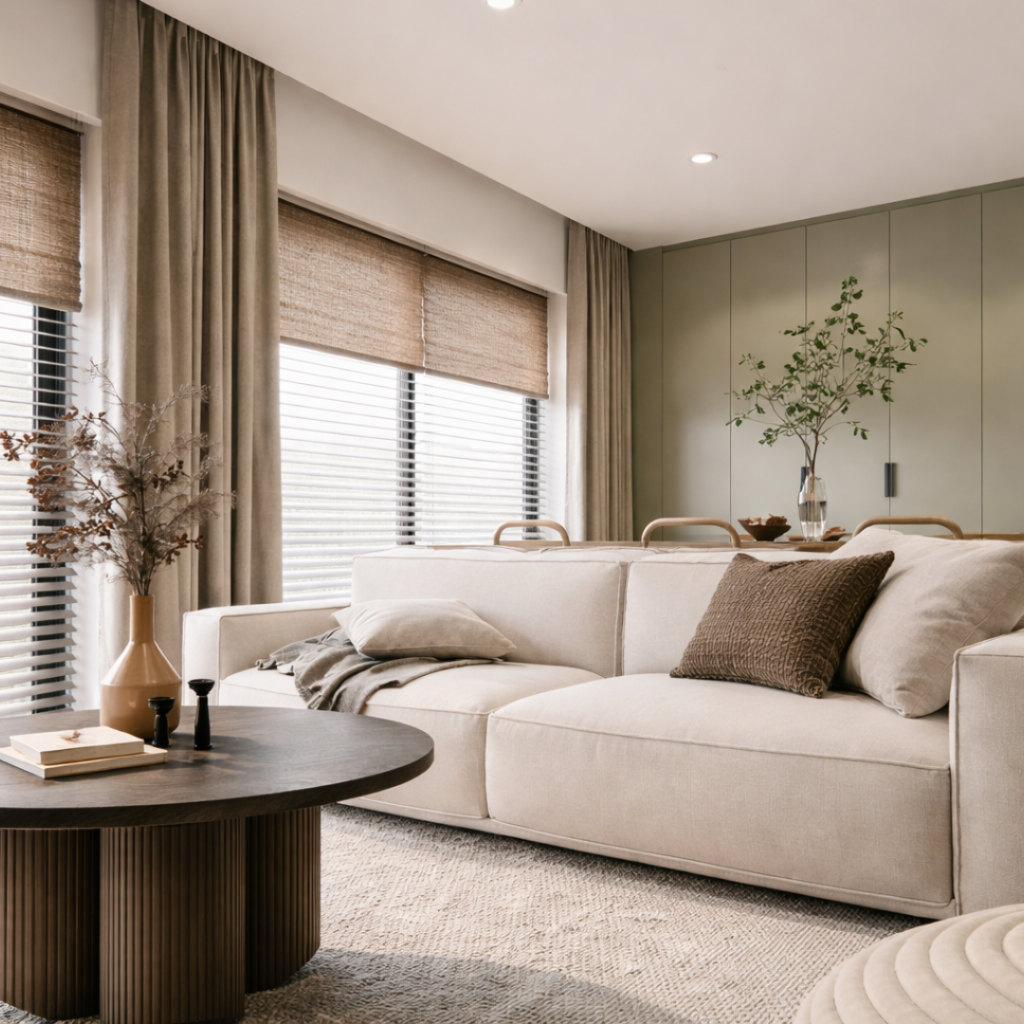
Why “Popular” Matters: Function Meets Fashion in 2025 The question behind every décor refresh is deceptively simple: “What is popular in blinds right now?” The answer, however, is layered—just like the most buzz-worthy window treatments of the year. The right blinds or shades do more than control light; they insulate, add texture and pull an entire design scheme together. Choosing what’s popular isn’t about chasing fleeting trends; it’s about tapping into innovations that make everyday living easier, greener and undeniably better-looking. I first learned this lesson while remodeling my loft last winter. Swapping out dated aluminum slats for smart woven-wood shades shaved noticeable dollars off my heating bill and totally changed the vibe of the room. Friends walked in and felt the difference before they even noticed it. That’s when I started tracking the design cycle with a critical eye, paying attention to what real homeowners—and I—actually loved long after the initial “wow” factor faded. Today, popularity is earned in three ways: dependable performance (energy savings, privacy, UV protection), ethical production (sustainable fibers, low-VOC finishes) and emotional punch (color stories, tactile appeal). In other words, the blinds everyone is talking about this year deliver practical wins and style bragging rights. Let’s dive into the macro-trends powering that buzz and see which specific styles rise to the top. Macro-Trends Shaping Blinds & Shades Right Now Popularity never happens in a vacuum. It’s the intersection of technology, culture and plain old human comfort. Below are four megatrends guiding 2025’s window-treatment landscape—and, yes, each one is already transforming real homes (including my own). 2.1 Sheer Serenity: Light-Diffusing Fabrics “Linen and cotton sheers diffuse sunlight while preserving privacy, creating a soft, romantic atmosphere.” That sentence lives on the sticky note stuck to my design mood board, because sheer, airy drapes remain the fastest way to calm a room without dulling it. The new generation of translucent fabrics is tightly woven enough to filter glare yet open enough to frame the view. I layered whisper-thin white linen panels over cordless roller shades in my studio, and now I can hop on a video call at high noon without squinting at the screen. Why they’re hot: homeowners crave sunlight to boost mood but refuse to sacrifice privacy. Sheers strike the balance and photograph beautifully—a social-media double win. Innovations include recycled-cotton blends and stain-repellent finishes that let you keep windows open on a breezy day without fretting over dust. Pro tip from my own install: hang sheers four inches higher than the top of the frame and let them just kiss the floor. The extra drop elongates the wall and makes ceilings read taller. 2.2 Earth-Toned Warmth & Bold Statements “Filtered daylight paired with earthy neutrals or golden tones turns any space into a cosy retreat.” At the same time, “Not a fan of neutrals? Geometric prints, tribal motifs and jewel-tone drapes are injecting fresh energy into modern interiors.” These seemingly opposite statements coexist because 2025 is the year of personalized comfort. Think clay, ochre and wheat one room over; emerald, indigo and magenta the next. I embraced both ends of the spectrum in my open-plan living area: muted wheat woven-wood shades ground the seating zone, while a pair of sapphire velvet Roman shades spark conversation in the adjoining reading nook. The key is intentional contrast—choose one hero hue or pattern per sight-line and let supporting colors whisper. Manufacturers are meeting us halfway by releasing curated color books, so you can order drapes, valances and trims that coordinate straight out of the sample pack. 2.3 Sustainability Front and Center “Homeowners are gravitating toward bamboo, hemp and sustainably sourced wood blinds to bring nature indoors and reduce environmental impact.” That’s more than marketing fluff—eco-friendly lines are selling out faster than vendors can restock them. Certification labels (FSC, Greenguard Gold) now appear in product descriptions as prominently as color swatches. I once assumed sustainable meant rustic, but my hemp-blend roller shades arrived with a subtle matte sheen that feels upscale, not rough. Energy performance is equally impressive: cellular constructions trap air pockets, and natural fibers breathe, keeping rooms cooler in summer and warmer in winter. The bonus? Every visitor notices the texture and asks where I found them. Being green is officially a design flex. 2.4 Smart, Voice-Activated Convenience “Voice-activated and app-controlled shades fit seamlessly into connected homes, offering convenience and precise light management.” I resisted smart blinds until I spent one sweaty August afternoon on a ladder, re-threading a broken cord. Two weeks later, I installed motorized rollers I can raise with my phone. Now sunrise triggers an automatic open at 6 a.m., and sunset cues a gentle close. Popularity proof: smart-shade shipments doubled last year, and price points dropped by a third. Advances in rechargeable batteries (hidden in the head rail) and quieter motors make them approachable for renters and condo owners. If you own a voice assistant, you can integrate blinds into morning routines (Alexa, “good-night mode”) without extra hubs. The top finish options? Matte white, graphite and—no surprise—organic woodgrain laminates that echo the eco trend. Top 5 Window-Treatment Styles Dominating the Market Popularity often crystallizes in specific silhouettes. Consider this my cheat-sheet—and, yes, the list comes straight out of my notebook labeled “5 Popular Window Treatment Styles Right Now.” Roman Shades – Timeless elegance with soft folds. They bridge formal and casual rooms because fabric choice dictates mood. I hung unbleached-linen Romans in my dining room for understated sophistication. Roller Shades – Sleek, minimal and available in endless colours. With blackout or solar fabrics, they work from nursery to home theater. Their streamlined cassette valances keep sight-lines modern. Woven Wood Shades – Casual textures that blur indoor-outdoor boundaries. Matchstick bamboo, abaca and jute weave sunlight patterns onto floors—instant resort vibe. Vertical Blinds – Ideal for large windows and sliding doors, offering precise light control. Today’s panels showcase wide 4-inch slats in linen-look vinyl or real textile inserts, nixing the clacky plastic stereotype. Interior Shutters – Durable, nearly full blackout and effortlessly classic. Composite finishes
Do Shutters Block a Lot of Light? Short Answer Up Front
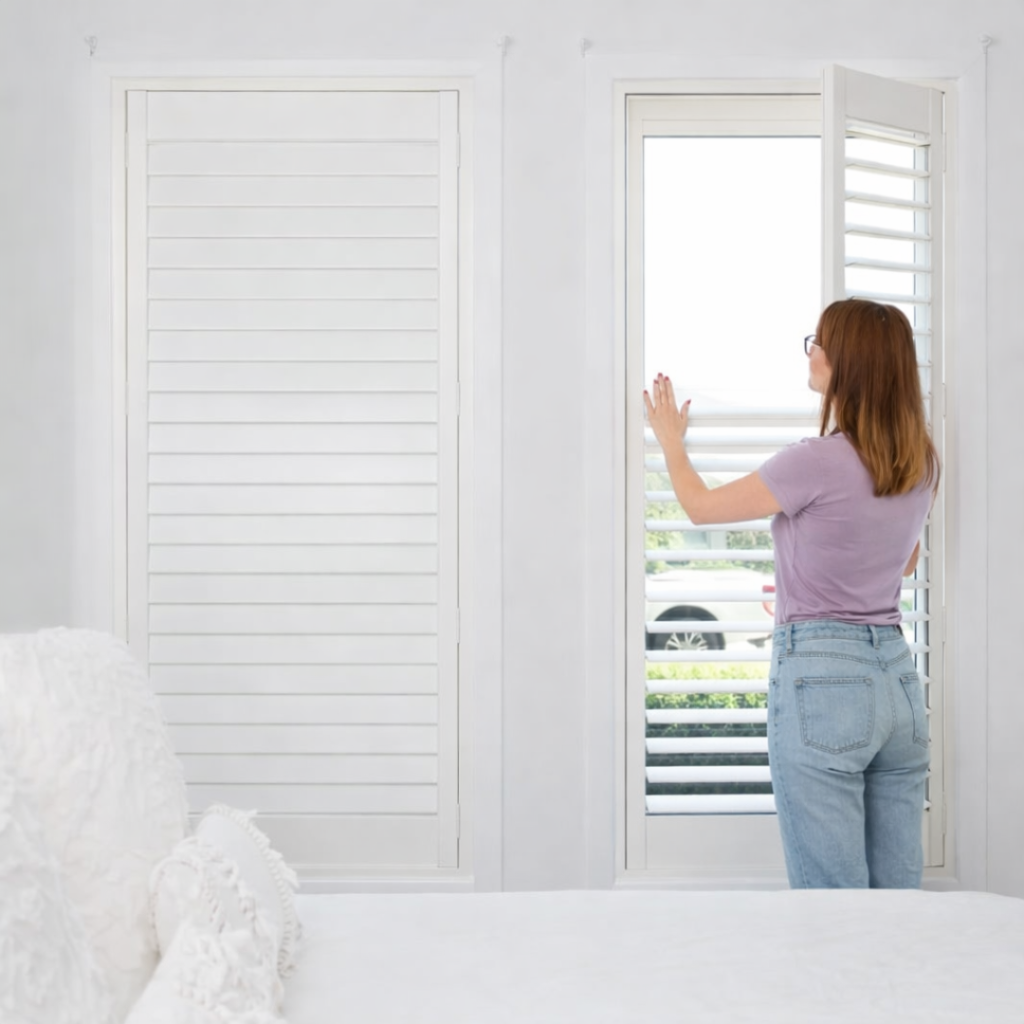
Do Shutters Block a Lot of Light? Short Answer Up Front If you pick the right style and material, yes—plantation shutters can block a surprising amount of light. When I first installed a set in my living room, I expected “filtered sunshine.” What I got instead was near-blackout calm the moment I snapped the louvers shut. The solid frame sits flush to the window reveal, and the wide horizontal slats overlap just enough to seal out glare. High-quality PVC shutters, in particular, offer what I like to call “seamless build blackout”—there’s simply nowhere for light to squeeze through except the deliberate gaps you create by tilting the louvers. Of course, no window treatment is a sealed vault: light can still creep around the outer edges or through the tiny clearance between each louver. But compared to curtains that billow, blinds that warp, or roller shades that curl, shutters give you the tightest fit and the firmest control. I’ll unpack exactly how that works—and where the limitations lie—throughout this guide. How Plantation Shutters Work: Frames, Louvres and Light Paths Plantation shutters are interior window shutters with wide, horizontal louvres set in a solid frame. Inspired by classic Southern architecture, these shutters add instant charm while granting unmatched control over sunshine, glare and privacy. The frame is usually mounted inside the recess, hugging the wall on all four sides. That snug, custom fit is your first defense against stray beams. Inside the frame, the louvers pivot on a concealed tilt rod. When they lie flat, they form a nearly continuous wooden or PVC surface. Crack them open a few degrees and daylight drifts in as soft “skim lighting.” Swing them fully upward and you get a view without giving up shade lower down—a trick I rely on when afternoon sun blazes across my desk. Light’s Journey Through a Shutter Through the gaps. Each louver overlaps the next by a hair. Quality engineering minimizes that gap, so a closed stack acts like a single plank. Around the frame. Any interior shutter will spill a hairline of light at the extreme perimeter. Tight weather-strip seals or light-block strips can cut that to almost nothing. Between panels. Single-panel shutters—one tall door per window—have fewer meeting stiles, so there are fewer vertical slivers of brightness. When I opted for a single-panel design in my bedroom—“a single tall panel offers a clean, uninterrupted view when opened”—I gained both a sleeker look and fewer light leaks than bi-folds. But every home and every window demands its own balance, which leads us to materials. Material Showdown: PVC vs Composite vs Natural Wood Light-blocking performance hinges on what the shutters are made of. From personal trial-and-error—and plenty of squinting at sunrise—here’s how each contender stacks up: Material Light Control Moisture Resistance Best For PVC shutters ★★★★★ Seamless build minimises gaps for near-blackout conditions. High — won’t warp or swell. Bathrooms, kitchens, nurseries Composite wood shutters ★★★★ Dense core blocks most light; resists warping. Moderate Living rooms, bedrooms Natural wood shutters ★★★ Quality hardwood blocks light but can expand/contract. Low Formal spaces, dining rooms Verdict: PVC shutters are the most durable, low-maintenance, and light-tight option. That verdict is not marketing hype—it’s the result I saw when I swapped aging basswood panels for rigid PVC in my steamy kitchen. Zero bowing, zero hairline cracks, and noticeably darker Sunday-morning lie-ins. Beyond opacity, each material affects the crispness of the louvers’ closure. Plastics and composites mold to millimeter precision, while wood can swell microscopically in humidity, flashing those tell-tale pinpricks of dawn. If total blackout is the mission, go PVC; if natural warmth matters more, accept a trace of glow. Frame Design Tricks to Keep the Sun Shining In Fewer Panels, Fewer Shadows Every extra panel adds a vertical stile—another rigid line the sun can sneak around. Opt for single-panel shutters on narrow windows and bi-fold designs only where width demands folding for access. I learned this after retro-fitting my patio slider with a four-panel bifold; the mid-morning stripes on the floor drove me to tweak the angle constantly. Choosing the Right Louvre Width A 2½-inch louver offers finer control but more horizontal seams; a 4½-inch louver blocks more daylight in fewer moves. In my nursery, wide slats meant nap-time darkness with one quick tilt. “Tilt the slats for anything from full daylight to a cosy, dark room.” Custom Mounting Depth Set the shutter frame as close as possible to the window glass. The shallower the gap, the steeper any stray beam must bend to reach the room. Add a mid-rail so upper and lower louvers move independently—handy when you want sky light but privacy below eye level. Together, these design tweaks turn shutters from “decorative light filter” into a genuine glare-busting tool without plunging your space into dungeon gloom. Balancing Privacy Without Plunging the Room into Darkness Shutters excel at a tricky dance: blocking sight lines while still sprinkling daylight across the room. “Solid panels and overlapping louvres leave minimal gaps, shielding your interior from curious onlookers. Tilt upward to invite light while obscuring outside views.” In street-level apartments, I angle the lower louvers down so passers-by see only the painted faces of the slats, while the upper louvers stay cracked open to grab the sky. At night, the reverse works wonders—angling everything slightly upward keeps lamp glow in and prying eyes out. Layering for Total Blackout Curtains + shutters. “Layer with curtains for total blackout during movie night or a Sunday lie-in.” Heavy drapes fill the tiny perimeter halo any shutter leaves. Room-darkening blinds behind shutters. A hidden roller shade under the top frame disappears when not needed. Exterior shutters or awnings. Blocking the sun before it hits the glass can shave degrees off summer cooling bills. By mixing these tactics, you can tune your home toward privacy first, daylight first, or a perfect pivot between the two. Plantation Shutters vs Curtains, Drapes and Blinds: A Light-Leak Test I staged a showdown in three identical south-facing bedrooms: Feature Plantation Shutters
PVC Shutters vs. Wood Shutters: The Definitive Homeowner’s Guide
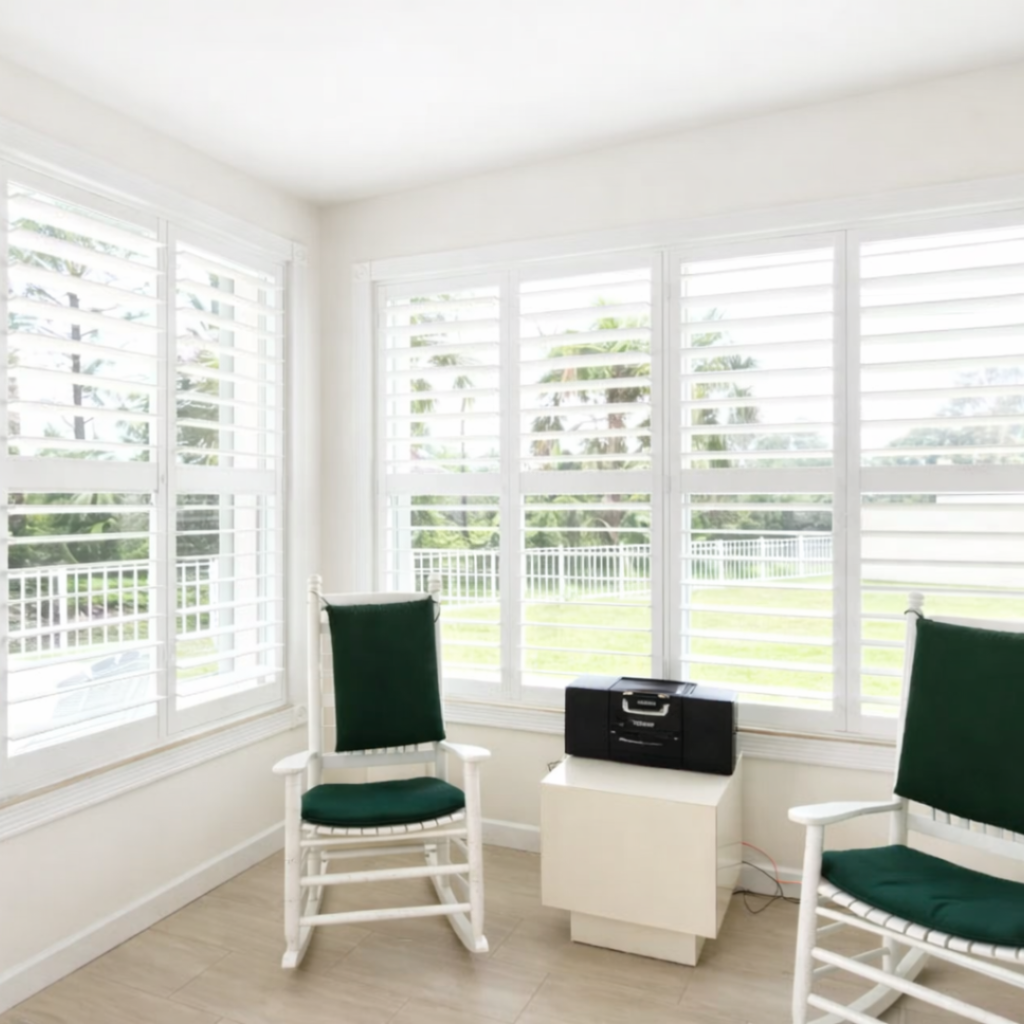
PVC Shutters vs. Wood Shutters: The Definitive Homeowner’s Guide Introduction: Why Choosing the Right Shutters Matters Window shutters aren’t just decorative—they’re functional, influential in your home’s energy efficiency, curb appeal, and even resale value. Whether you’re renovating or building from scratch, choosing between wood and PVC shutters is more than a design decision. It’s a lifestyle choice that affects how much time, money, and care you’ll invest in your home over the years. As a homeowner who’s been through the process, I know how easy it is to get swept up in finishes and forget about durability or long-term costs. That’s why I’ve put together this comprehensive, experience-backed guide to help you compare PVC shutters vs. wood shutters across all the factors that truly matter. What Are Wood Shutters? Overview and Key Benefits Wood shutters are the classics of window design. They’re traditionally crafted from hardwoods like basswood, cedar, or poplar, each offering its own grain and tone. These shutters have been favored for centuries due to their natural beauty, strength, and timeless appeal. When installed and maintained properly, wood shutters bring warmth and authenticity that’s difficult to replicate. The tactile quality of real wood grain, especially when stained rather than painted, gives your space an organic richness. They work beautifully with traditional or colonial-style homes, and high-end hardwoods can increase property value. However, wood requires attention. If not regularly refinished or sealed, wood shutters can fade, crack, or warp, especially in areas with high humidity or direct sunlight exposure. I’ve seen wood shutters splinter from impact or absorb moisture and cause frame rot if not properly treated. What Are PVC Shutters? Overview and Key Benefits PVC (Polyvinyl Chloride) shutters are engineered for performance and minimal maintenance. Unlike wood, PVC is a non-porous, moisture-resistant material that doesn’t swell, warp, or rot. It’s especially useful in wet environments like bathrooms, kitchens, or coastal homes. Modern PVC shutters have come a long way from their plastic-like predecessors. The latest versions offer realistic wood-like finishes, UV-stable colors, and clean, factory-finished surfaces that stay sleek for decades. They come in a wide palette of colors, and some even feature faux wood grain patterns that rival the real thing. I chose PVC shutters for a coastal property due to the climate—between salty air, heavy rains, and intense sun, the durability of PVC made it a no-brainer. They’ve held up beautifully, without fading or warping, and cleaning them is as simple as a quick wipe-down. Durability Showdown: Wood vs. PVC Here’s where PVC pulls ahead by miles. These shutters resist warping, cracking, rot, and termites. They’re impervious to moisture, making them ideal for bathrooms, kitchens, and any home near the ocean. Wood, although strong when new, can deteriorate without frequent care. Impact can cause splintering, and unless you stay on top of repainting or sealing, termites and moisture will find a way in. I’ve seen beautiful wood shutters deteriorate fast when left untreated, especially in humid climates. Meanwhile, my PVC shutters have handled storms, salt spray, and heavy winds without a single issue. Their structure remains solid, and they continue to fit perfectly in the frames without swelling or contracting seasonally. Aesthetic Appeal & Design Options Let’s be real: real wood has a charm that’s hard to beat. The grain, the texture, the feel of it under your fingertips—there’s a reason wood shutters remain a go-to for interior designers. When freshly stained or painted, wood adds unmatched warmth and elegance. However, there’s a downside. Wood scratches easily, fades over time, and those rich finishes require ongoing care to maintain. If you’re someone who doesn’t mind sanding and refinishing regularly, it can be worth it. On the other hand, PVC offers a clean, polished look with minimal upkeep. And the options are no longer limited—today’s faux wood finishes are nearly indistinguishable from the real thing. I loved the color options and consistency of finish PVC provided. There was no worrying about paint chipping or discoloration. Performance Across Different Climates PVC shines in every weather condition. Because it’s non-porous and fully waterproof, it seals tightly and keeps moisture out of the wall cavity. That’s a game changer in wet or variable climates. I’ve seen firsthand how wooden panels, being naturally porous, can trap dust and even wick water into the surrounding frame—leading to costly repairs. In cold climates, wood may contract and form gaps. In tropical or humid areas, it can absorb moisture and expand, affecting the shutter’s fit and finish. PVC, by contrast, remains stable and intact across temperature swings. Cost Comparison: Initial vs Long-Term PVC shutters generally cost 10–30% less upfront than high-quality wood options. That savings increases dramatically over time, considering that PVC requires no repainting, sealing, or pest control. Sure, premium hardwood shutters may boost your home’s aesthetic or appraisal value. But they also come with higher installation fees and ongoing maintenance costs. In my case, I weighed the long-term costs and found that PVC provided more value per dollar—less maintenance, fewer repairs, and consistent appearance year after year. Maintenance & Care Requirements Maintenance was a major deciding factor for me. PVC shutters can be cleaned with just mild soap and a soft cloth. They never need sanding, staining, or touch-up paint. Wood, on the other hand, demands your time. Expect to sand, re-stain or repaint, and apply pest treatments every few years—especially in high-moisture or high-sunlight areas. Over the years, those tasks added up not only in cost but also in time spent. Sustainability & Environmental Impact Here’s where things get nuanced. Wood is renewable when harvested from certified forests, but it still involves tree removal and often long transport chains. Processing wood into shutters requires more energy, and if not managed responsibly, contributes to deforestation. PVC, traditionally considered less eco-friendly, has evolved. Modern PVC formulations use recyclable polymers and lower energy inputs in manufacturing. Plus, their extended lifespan (decades without replacement) reduces waste. In terms of sustainability over time, PVC has a smaller carbon footprint in many cases. Which
Can You Still Open Windows With Plantation Shutters?
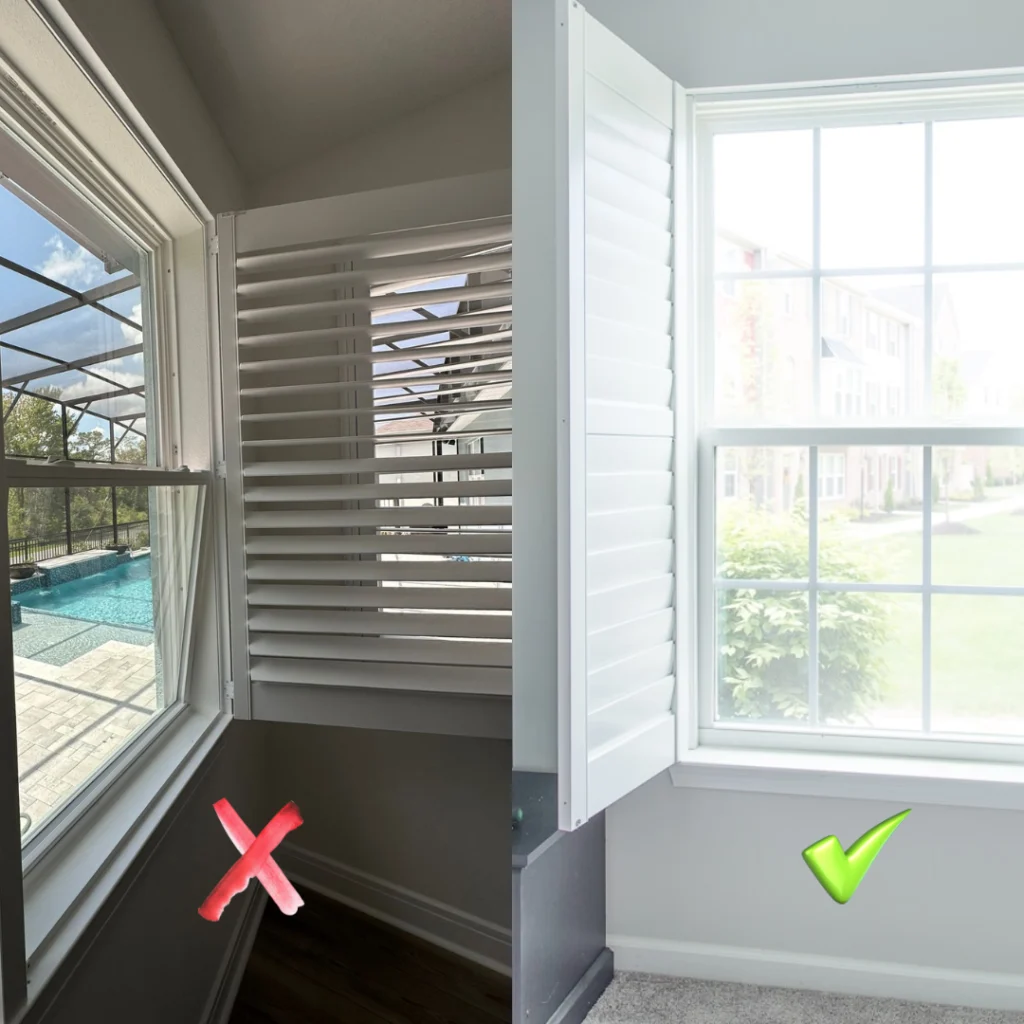
Can You Still Open Windows With Plantation Shutters? Last spring I replaced my tired curtains with shutters, and the change has been a talking point on our street ever since. Neighbors keep asking the same core question: “If the shutters cover the frame, can you still swing the window open?” The short answer is yes—when chosen and installed correctly, interior shutters never trap a sash, crank, or tilt-in pane. In fact, modern frames and hardware are engineered so that you keep every bit of ventilation and view you already enjoy, while gaining sharper light control, better insulation, and a dose of timeless style. In this guide I’ll show exactly how shutters work, which window types pair best, and the simple tricks that guarantee full access to handles and locks. You’ll also see real-world tips I learned firsthand—like tightening a loose tension screw after a brutal winter or realigning a magnet so panels click shut again. By the end you’ll understand why shutters are skyrocketing in popularity and how to make sure yours open just as freely as the first day they were installed. How Interior Shutters Actually Work: Louvers, Panels & Frames The magic of a shutter starts with its louvers—the horizontal slats that angle to filter sun and prying eyes. “Each slat, or louver, tilts up or down so I can flood the room with morning sun or create a cozy movie-night vibe,” I often tell curious friends. A slim tilt-rod links every louver so one touch sends the entire column moving in sync, but you can also nudge a single slat; the rest follow automatically thanks to hidden staples that act like miniature hinges. Next comes the panel: a rigid wooden (or composite) door that holds the louvers. Panels mount inside a rectangular frame which is secured either inside the window recess or on the wall face (we’ll compare both in a moment). A pair of discreet hinges lets each panel swing inward exactly like a cabinet door, meaning you can open the whole assembly in seconds for cleaning, latch maintenance, or a fully unobstructed breeze. Hardware finishes the system. Concealed tension screws on the panel stiles keep louvers from drooping over time; a tiny quarter-turn with a Phillips driver fixes any sag. “After a harsh winter, one panel sagged. A quarter-turn on the side-mounted tension screw… fixed the issue in seconds,” I found. Small neodymium magnets at the top and bottom of each stile click panels firmly to the frame. If they ever lose grip, simply back the magnet out a hair or realign the striker plate and that tell-tale click returns instantly. Because all these parts sit on the room side of the glass, nothing interferes with the window’s original hinges, balances, or cranks. Think of a shutter frame as a stylish picture frame surrounding—not smothering—the sash. Which Window Types Play Nicely With Shutters? (Sliding, Casement, Tilt-In) A common myth is that shutters only suit old-school double-hung windows. Reality says otherwise. Casement (crank-out) windows, horizontal sliders, single-hung, double-hung, even European tilt-turn models can all work—provided you choose the right frame depth and panel configuration. Casements. Many homeowners worry the crank handle will hit the shutter frame. The fix is simple: order a slightly deeper Z-frame or use low-profile replacement handles. Because my own 1950s casements already had charming woodwork, “I opted for an inside mount… the frame sits snugly in the recess,” preserving the trim while leaving the crank fully operable when panels swing open. Sliding windows. Sliders never protrude into the room, so virtually any shutter frame clears them. Just measure the inside track clearance to ensure louvers don’t scrape the meeting rail when tilted fully open. Tilt-in windows. These are popular for easy sash cleaning. Choose bi-fold panels—they concertina off to the side and give the tilt-in sash room to drop inward. Designers often add a mid-rail so the top and bottom louvers operate separately; that way you can tilt the upper sash without blasting the sofa with air. Picture windows. Even fixed glass benefits: shutters lend symmetry to wide reveals and let you shape daylight without drapes. For spans over 60 inches, request a T-post in the frame so individual panels stay light enough to lift. Bottom line: nearly every window type “plays nicely” with shutters once the installer matches frame depth, hinge placement, and panel width to the underlying mechanics. Inside-Mount vs Outside-Mount: Choosing the Frame That Keeps Windows Functional When you price shutters online, you’ll be asked whether you want an inside mount (frame fitted inside the opening) or an outside mount (frame overlaying the wall face). Both keep windows operable, yet each shines in different scenarios. Inside Mount Looks finished and custom. Because the frame tucks into the recess, it reads like architectural millwork, not an add-on.Keeps panels flush. Inside-mount panels swing clear of drapery rods or wall art.Requires a square opening. If your jamb is out of plumb by more than ¼ inch, gaps can appear. “I opted for an inside mount because our 1950s casements already had charming woodwork I didn’t want to cover,” and the crisp reveal showcases those original pine casings. Outside Mount Hides imperfections. A stepped L-frame or Z-frame can mask uneven drywall, cracked plaster, or vintage sash weights.Adds depth for crank handles. Casement operators that project 1⅜ inches clear nicely behind a 2-inch face frame.Wider light block. The extra overlap seals light leaks for true blackout capability in bedrooms. If in doubt, mock up a cardboard frame around one sash and test-drive your crank or tilt function. Whichever mount lets the window reach its full travel without scraping louvers is the right answer for you. Opening Techniques: Swing-Open Panels, Bi-Fold Folds, and Louver Control Most newcomers are shocked how many ways a shutter can get out of the way. For windows up to 36 inches wide, a single-hinged panel opens like a closet door. Wider spreads, like my living-room bay, benefit from bi-fold panels that concertina neatly to one side, freeing the view
What Is the Most Popular Style of Shutters?
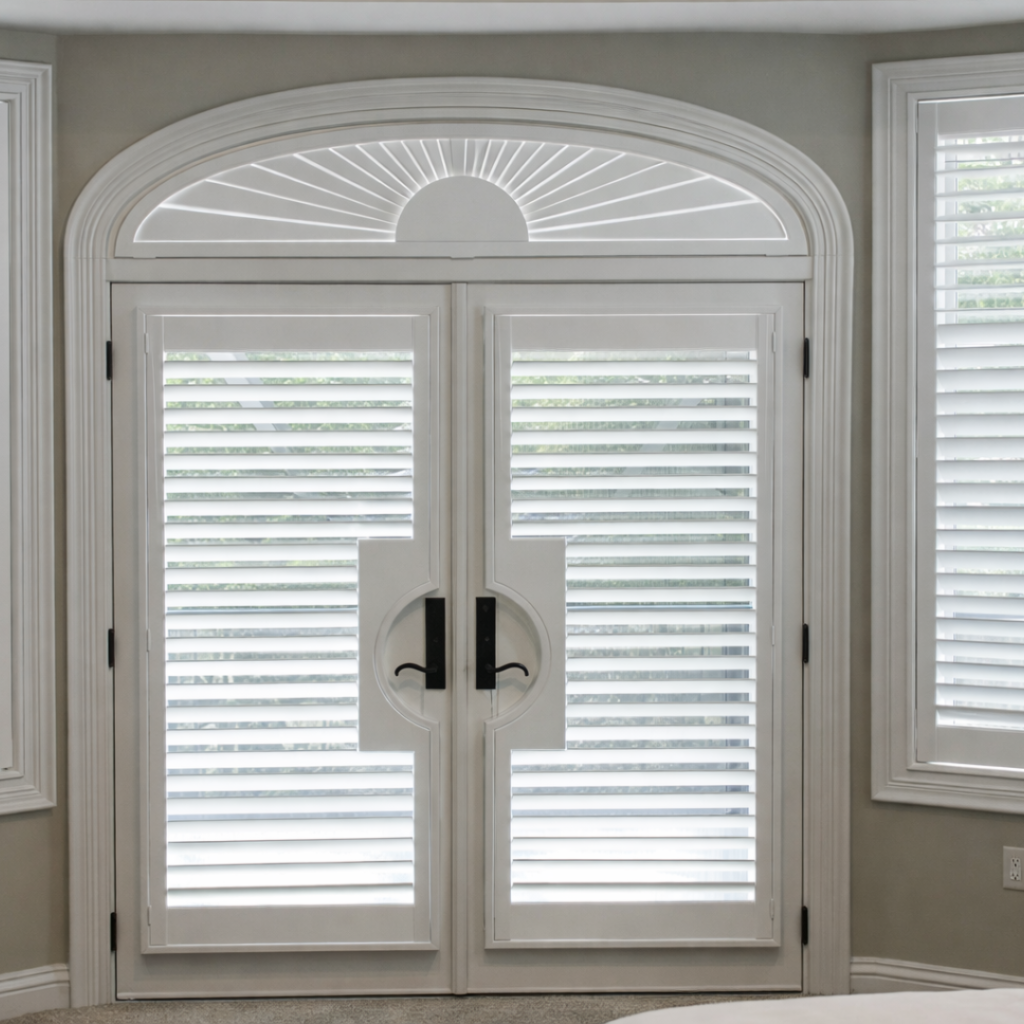
What Is the Most Popular Style of Shutters? Introduction: Why Shutters Still Reign Supreme Window shutters have evolved from mere functional elements into design essentials that can dramatically elevate the look and feel of any room. Whether you’re after improved privacy, better light control, or a classic aesthetic upgrade, shutters are often the answer. But with so many options out there, it begs the question: What is the most popular style of shutters? While plantation (or louvered) shutters often steal the spotlight for their versatility and timelessness, the truth is more nuanced. Popularity depends on room function, architectural style, and even climate. From personal experience, I’ve learned that choosing shutters isn’t about following trends—it’s about finding the perfect fit for each space in your home. Most Popular Shutter Styles—And Why They Work Louvered (Plantation) Shutters These wide-slat shutters are the go-to choice for homeowners across the U.S.—and for good reason. Plantation shutters provide excellent control over light and airflow, suit both traditional and modern interiors, and are available in a range of materials and finishes. They’re especially popular in living rooms and bedrooms where flexibility is key. Thanks to their broad, adjustable slats, you can fine-tune the amount of natural light while keeping your privacy intact. Panel Shutters (Raised, Flat, or Recessed) For those chasing a more traditional or colonial aesthetic, panel shutters remain a favorite. Solid and stylish, they offer complete privacy and insulation, making them ideal for studies or cozy dens. In my own home office, I opted for solid panel shutters to reinforce that classic, grounded vibe. They don’t allow light filtering like louvers, but the look and privacy they offer are unmatched. Board-and-Batten Shutters These rustic shutters are all about charm. Often seen on farmhouse-style or country homes, board-and-batten shutters are made from vertical planks held together by horizontal or diagonal boards. While traditionally used outdoors, they’re now gaining popularity indoors for accent walls or special features. Combination Shutters Some homeowners can’t choose between louvered and panel styles—so they don’t. Combination shutters offer the best of both worlds. These hybrids have a solid lower panel for privacy and louvers on top for light control. They’re increasingly popular for street-facing rooms and historic properties. Café-Style Shutters Originally a European staple, café shutters are now popular in American homes—especially for first-floor living rooms and kitchens. Covering only the bottom half of the window, they allow light to flood in while protecting your privacy. I installed café-style shutters in my living room’s bay window, and they were a total game-changer. I get sunlight and seclusion, plus a cozy café-like atmosphere every day. Specialty Styles: Bermuda, Custom, Aluminium Bahama shutters (hinged at the top) are favorites in coastal areas for their breezy, relaxed vibe. Aluminium shutters, on the other hand, are dominating the market for exterior use due to their durability and sleek design. Outside my home, I chose aluminium shutters for added security. They offer a clean look with the strength to withstand storms—and I love that they lock securely when I’m away. Key Factors Driving Popularity Light Control & Privacy This is the number-one reason most people invest in shutters. Whether it’s full blackout in the bedroom or soft daylight in a dining area, shutters offer precision light management. Some styles—like plantation and café—give you real-time adjustability, while others like solid panels create full separation. For me, the bedroom was a light-sensitivity issue. I chose a shutter and shade combo with a hidden honeycomb blind. Now, even the brightest mornings can’t break my sleep. Aesthetic Versatility & Architectural Fit One of the biggest draws of shutters is how easily they blend with different design styles. Whether your home is coastal, craftsman, colonial, or ultramodern, there’s a shutter to match. Popular styles stay popular because they’re adaptable. Durability & Material Advances Today’s shutters are engineered for performance as well as beauty. Waterproof materials like ABS and PVC are perfect for kitchens and bathrooms, while aluminium offers rugged elegance outdoors. I learned this firsthand when redesigning our bathroom. The high humidity ruled out wood, so I went with waterproof ABS shutters. They look like real wood but can handle daily steamy showers without warping. Installation Practicalities & Functionality Ease of maintenance, ease of cleaning, and lifespan all factor into popularity. Styles that are easy to install, operate, and clean tend to remain in demand longer. Room-by-Room Shutter Style Guide Living Room: Café-Style for Privacy with Daylight Café shutters are a perfect fit for public-facing living rooms. In my case, I had a large bay window that needed coverage without making the space feel boxed in. These half-height shutters brought in the charm while solving the exposure problem. Bedroom: Shutter & Shade Combo for Blackout Light control is crucial for sleep quality. I struggled for months before discovering the hybrid shutter with a hidden blackout blind. Now I enjoy peaceful nights and indulgent weekend mornings without harsh sunlight ruining the mood. Bathroom/Kitchen: Waterproof Options In moisture-rich zones like kitchens and bathrooms, the top concern is durability. My waterproof ABS shutters have held up beautifully to cooking steam and shower humidity—and they wipe clean in seconds. Exterior: Aluminium & Security Exterior shutters need to handle UV rays, rain, wind, and time. Aluminium styles offer security, style, and strength. Mine also came with integrated locks, which added a nice layer of protection and peace of mind. Conservatory: Custom-Shaped Insulation Our conservatory was lovely but virtually unusable due to seasonal extremes. Once we installed made-to-measure shutters—even for those angled roof windows—the space became usable year-round. The light still flows in, but now so does comfort. Study: Solid Panel for Classic Ambience Some rooms call for heritage charm and total privacy. In my study, I chose solid panel shutters in a warm, earthy tone that matched the room’s classic decor. They turned the space into a cozy, productive retreat. Matching Style to Home Architecture Colonial & Cape Cod These homes call for symmetry and tradition, making panel shutters and raised designs the most popular.
Why You Might Want an Alternative to Plantation Shutters
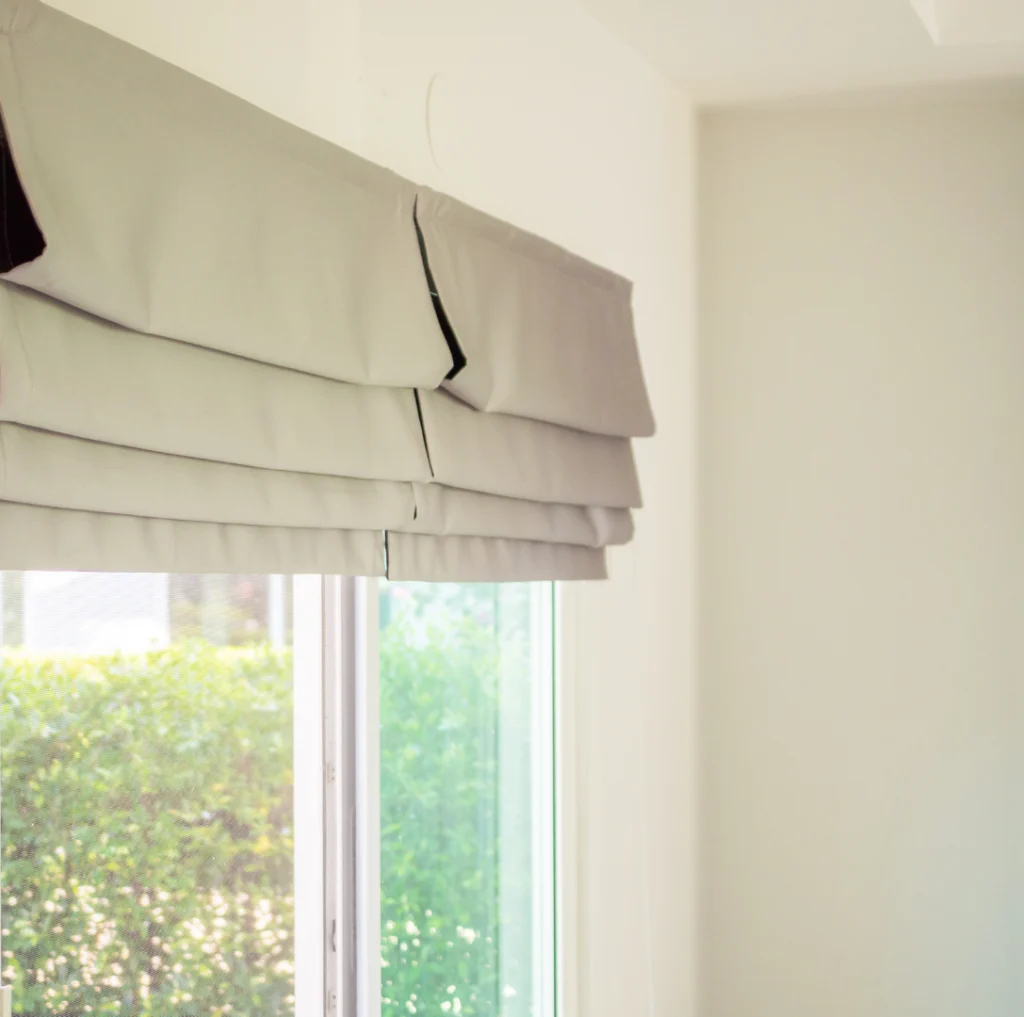
What Is a Cheaper Option to Plantation Shutters? Why You Might Want an Alternative to Plantation Shutters Plantation shutters are a classic window treatment that many homeowners admire for their elegant structure and timeless charm. But let’s face it—while they’re beautiful, they can be pricey and not always the right match for every home or lifestyle. If you’re here, chances are you’re exploring other ways to get the stylish look and practical benefits of shutters—without spending a small fortune. When I first moved into my current home, I was excited about the amount of natural light pouring in through the large windows. But as much as I loved the brightness, I quickly realized I needed a solution for privacy, light control, and overall comfort. I initially considered traditional shutters, but they didn’t quite suit my style or needs—so I began exploring alternatives. Plantation shutters can also feel a bit rigid in aesthetic. If you’re aiming for a softer or more contemporary vibe, or if you’re dealing with oversized windows or tricky angles, shutters might not be the most flexible or cost-efficient choice. That’s where the good news comes in: there are tons of attractive, budget-friendly alternatives that offer just as much charm and even more versatility. Key Factors to Consider Before Choosing Window Treatments Before diving into all the alternatives, it’s important to identify what matters most in your space. Are you prioritizing privacy, insulation, style, or ease of use? In my case, functionality was huge. With kids and pets around, cords and dangling parts just weren’t an option. I needed treatments that were safe, stylish, and easy to operate. Also, the location and size of your windows can influence your decision. My downstairs windows are much larger than the ones upstairs. They span from floor to ceiling in the living room and allow the afternoon sun to flood the space. While this creates a beautiful, airy feeling, it also brings intense sunlight that can damage furniture and create glare. Upstairs, I only needed moderate light filtering since the rooms are mainly used for sleeping and relaxing. Don’t forget budget and installation complexity. Some treatments look expensive but come at a surprisingly accessible price—especially if you go the DIY route or take advantage of online deals. Budget-Friendly Shutter Alternatives That Actually Look Great The best alternatives to plantation shutters combine style, privacy, and light control—all without the sticker shock. Here are my top picks, all of which I’ve personally tested and loved. Wood Blinds: A Timeless Look Without the Price Tag Wood blinds were a natural go-to for me. They give off that warm, rich texture similar to shutters but are far more flexible and often come at half the cost. I loved the warmth and elegance of wood, and flush-mounted wood blinds gave me a shutter-like look with more flexibility. Without any protruding controls, they were safe for kids and pets. I opted for blinds that could be adjusted via remote, so changing the light level was effortless. What’s great about wood blinds is that they can be stained or painted to match any décor. And if you’re on a tighter budget, faux wood blinds deliver the same aesthetic at a lower price point and are more resistant to humidity—great for bathrooms or kitchens. Woven Wood Shades: Natural Texture and Light Control These were a beautiful surprise. Some were crafted from delicate rods or slats and had just enough transparency to let in filtered light while maintaining privacy. They had a handcrafted look that added texture and charm to my rooms, and the remote control feature made them both functional and stylish. Woven wood shades add an organic feel that’s hard to beat. They’re especially nice if you’re going for a relaxed, boho, or coastal interior vibe. Plus, they come in a wide range of opacities and weaves, so you can control just how much light comes in. And if you’re worried about cleaning—don’t be. Most come with a liner that makes dusting easy, and some are even compatible with vacuum attachments. Roman Shades: Soft Elegance With Structure Roman shades gave me the softness of fabric with the structured look I admired in shutters. They fit perfectly inside my window frames and provided a seamless finish. I chose a neutral fabric that matched the rest of my décor, and the result was stunning. Roman shades are incredibly versatile. You can choose flat fold styles for a more modern look, or go with relaxed or balloon folds if you’re aiming for something softer or more traditional. Fabric options range from sheer linens to heavy velvets, allowing you to match the exact feel of your room. Because they mount inside the window frame, they also preserve your view when fully lifted—something traditional shutters often obscure. Honeycomb Shades: Smart Insulation and Modern Design These shades offered a unique look with their signature honeycomb structure. Not only did they filter the light beautifully, but they also helped regulate temperature in the rooms. It was a smart choice, especially for windows that got a lot of direct sun. Honeycomb or cellular shades are a top pick for energy-conscious homeowners. Their layered design traps air, reducing heat gain in summer and heat loss in winter. If your windows face harsh sunlight or chilly drafts, these shades pay for themselves in utility savings over time. They’re also sleek, compact, and nearly invisible when raised—a plus if you want your windows to remain a focal point. Sliding Interior Shutters: Rustic Charm Meets Function These weren’t like the exterior shutters I had imagined. They resembled cabinet doors, with a more rustic or contemporary vibe depending on the finish. Some models even mimicked barn doors and slid along a track, making it easy to control the light. They fit snugly in any window and could be positioned at the top, middle, or bottom—wherever the light was strongest. They blend the traditional appeal of shutters with a fresh, updated twist. Think barn-style sliders, painted finishes, and custom panels that
How much do shutters typically cost on average?
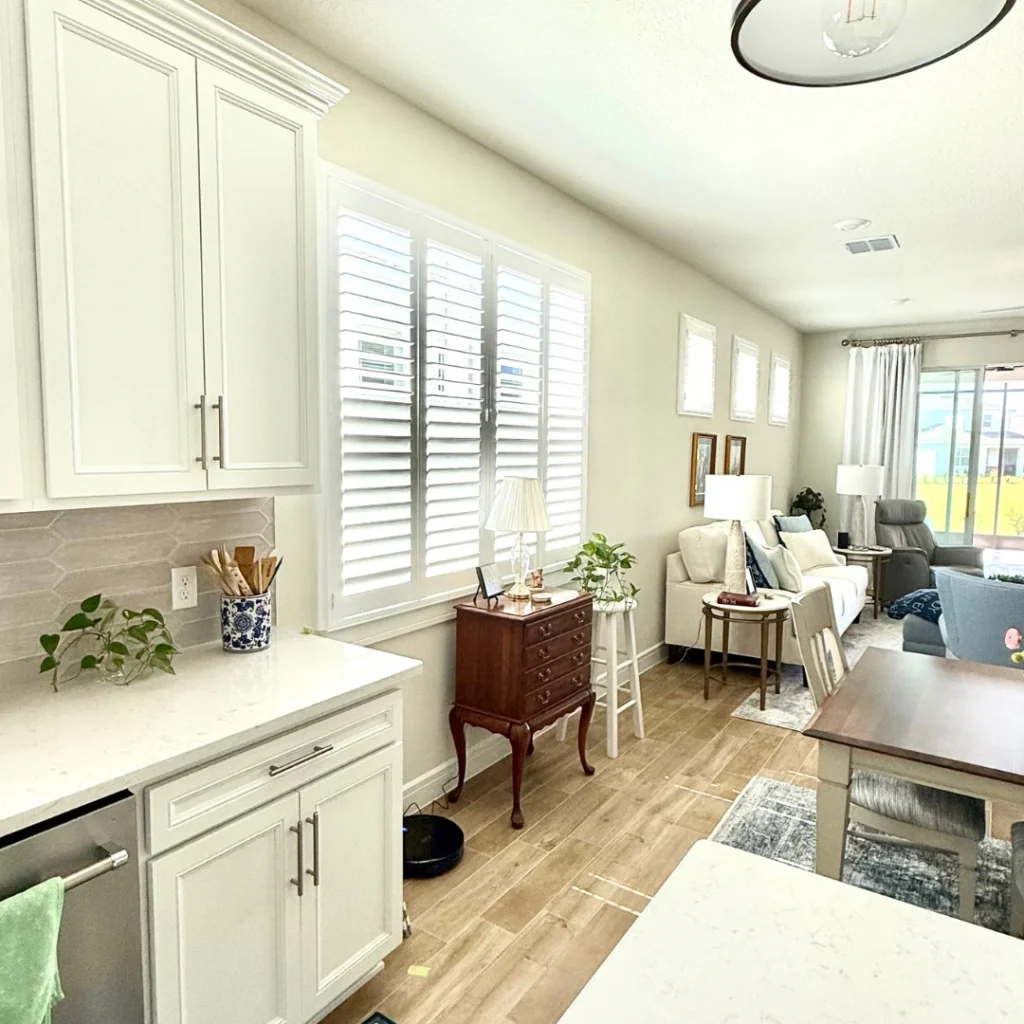
How Much Do Shutters Cost in 2025? An Overview If you’re considering upgrading your home with shutters, you’re likely asking the same question I did: How much do shutters cost on average in 2025? While the answer varies depending on several factors, understanding the pricing landscape can help you plan your budget, make smarter design choices, and ultimately feel confident about your investment. When I first started exploring ways to enhance both the look and energy efficiency of my home, shutters weren’t even on my radar. But after speaking with friends and diving into research, I realized just how valuable they could be—both aesthetically and financially. And like many homeowners, I quickly discovered that pricing isn’t one-size-fits-all. It depends on window size, materials, installation preferences, and even your location. This guide breaks down everything I learned—from pricing ranges by material to hidden costs you may not expect. It’s designed to give you a realistic idea of what to budget for, whether you’re planning a full-home upgrade or simply enhancing a few windows. Average Cost per Window: A Breakdown by Material Pricing for shutters in 2025 varies based on the type of material you choose. Here’s what I found during my own experience: Vinyl Shutters: These are the most budget-friendly, usually running about $150 per window. I chose vinyl for my bathroom and laundry room because they’re moisture-resistant and easy to clean—perfect for humid spaces. Faux Wood or Composite Shutters: These offer the classic look of wood but with more durability. Expect to pay around $200–$300 per window. I used these in most of my living spaces for their elegant finish and better resistance to wear. Real Wood Shutters: The premium option. These shutters can go up to $400 per window, especially if you’re adding custom stains or specialty finishes. They look incredible, but they’re definitely on the pricier side. For standard windows, you can expect most shutters to fall somewhere between $250 and $300. Prices increase for larger or irregularly shaped windows, especially if you need custom solutions. This breakdown matched closely with what I found in showrooms and online pricing calculators. Whether you’re dressing up a single room or planning a full renovation, knowing these averages can help prevent sticker shock. Key Factors That Influence Shutter Prices Several variables impact the final cost of shutters. Based on what I encountered, here are the most important ones: Window Size: Larger windows require more materials, which raises the price. Oversized or arched windows often come with custom pricing. Material Choice: As outlined above, vinyl is cheapest, composite is mid-range, and wood is premium. Number of Windows: Obvious but essential—the more windows you cover, the more you’ll spend. Customization: Custom colors, finishes, and shapes will cost extra. I paid an additional $60 per shutter for custom paint in two of my rooms. Installation Type: Whether you go DIY or hire a pro makes a big difference (more on that shortly). Energy Efficiency and Insulation: Believe it or not, well-insulated shutters can reduce energy costs over time. My utility bills dropped slightly in the months following the installation. Installation Costs Let’s talk installation. Like many homeowners, I initially considered doing it myself to save money. After all, I’ve tackled a fair number of DIY projects. I watched tutorials, took my measurements, and even installed the first set of shutters on my own. But here’s the thing: it’s harder than it looks. Getting a perfect fit was tough, especially since some of my windows weren’t exactly square. After some frustration, I decided to hire a local installer. It cost me about $150 per window for professional installation—but the job was done in a single day, and the results were seamless. While DIY might seem like the way to save money, I recommend it only if you’re very confident with tools and measurements. Otherwise, the risk of misaligned panels or gaps just isn’t worth it. Professional installers also bring experience and efficiency. They typically handle adjustments, mounting, and any wall touch-ups. Plus, if anything goes wrong, it’s their responsibility—not yours. In short, I don’t regret outsourcing the job. Yes, it added to the total cost, but the peace of mind and polished outcome made it worthwhile. Unexpected Expenses: What Else to Budget For Beyond the cost of materials and installation, there are a few sneaky expenses that might catch you off guard. Here’s what came up during my project: Removal of Old Window Treatments: This wasn’t included in the installer’s quote, and it added about $75 per window. Custom Paint or Stain: Special finishes cost extra. As mentioned earlier, I paid $60 per shutter for two rooms. Delivery Fees: If you’re ordering from a specialty supplier or big box store, shipping fees may apply, especially for larger custom orders. Hardware or Brackets: Most kits include basic hardware, but premium brackets or hinges might be sold separately. Permit Fees: Rare, but in some neighborhoods or condos, you may need approval to change external window aesthetics. These costs can add up fast, especially across multiple windows. My advice? Ask for an all-inclusive quote that includes every step of the process—removal, prep, install, and cleanup. Long-Term Savings and Return on Investment Are shutters really worth the investment? In my experience: absolutely. One of the first things I noticed after installing shutters was a modest drop in my heating and cooling bills. The insulation effect is real—plantation shutters help block out heat in the summer and keep warmth inside during the winter. Over time, those savings begin to add up. But it’s not just about energy efficiency. Well-made shutters instantly elevate the look of a room. Several guests have commented on how finished and “high-end” my living room feels now. When I think about resale value, I’m confident this upgrade adds market appeal. Real estate agents often mention window shutters as a selling point, particularly when they’re wood or composite. They’re seen as a permanent, stylish fixture—unlike curtains or temporary blinds. So while the upfront cost might seem
What Are Shutters vs Blinds? Understanding the Real Difference
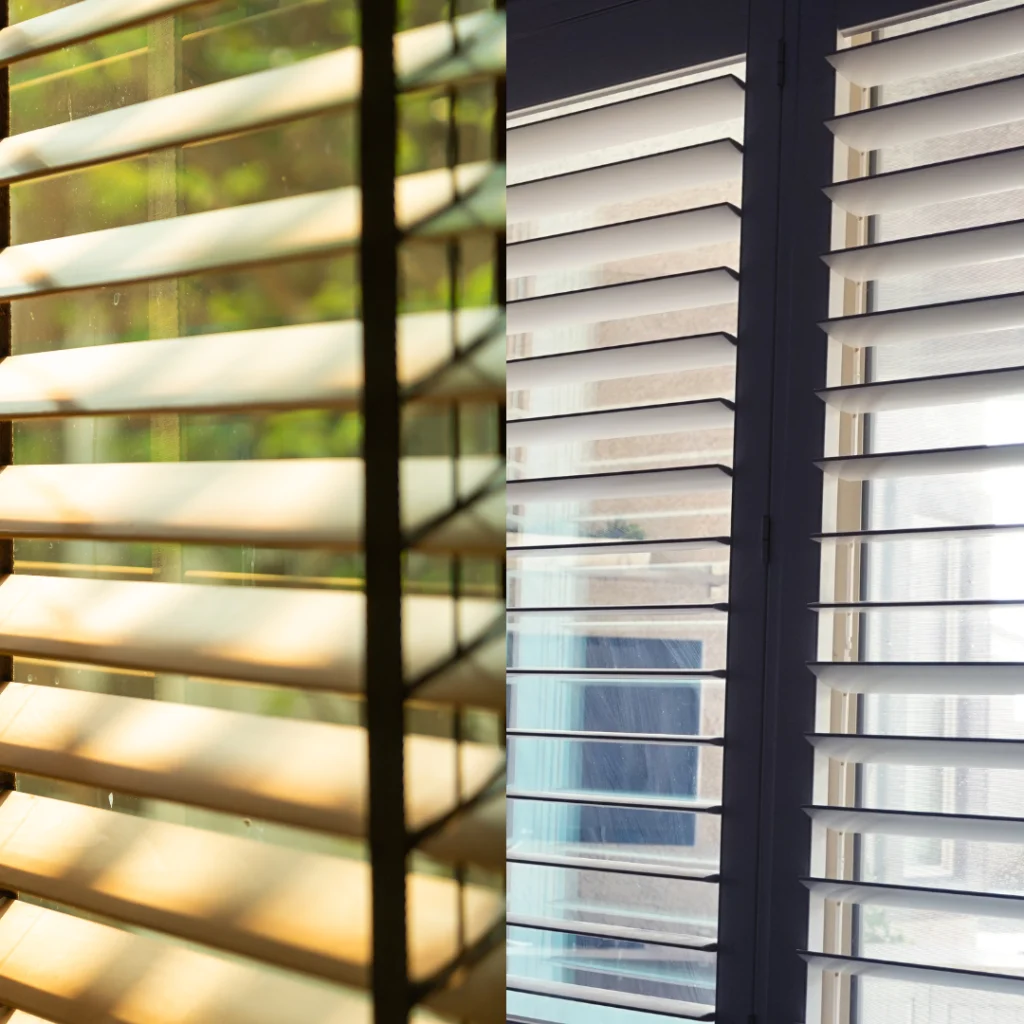
What Are Shutters vs Blinds? Understanding the Real Difference Why Choosing the Right Window Covering MattersWhen I first started thinking about upgrading my home’s window treatments, I had no idea how many options were out there—or how confusing it could be. Like many homeowners, I used to think “blinds” was a generic term for all types of window coverings. But as I dug deeper, I discovered that blinds and shutters are two completely different products, each with its own set of benefits, styles, and use cases. Window treatments do more than just control light. They play a major role in your home’s energy efficiency, privacy, noise reduction, and overall style. Whether you’re decorating a new space or looking to update old, outdated coverings, understanding the difference between shutters and blinds will help you make an informed decision that enhances the look and feel of your entire home. Understanding Blinds: Functionality and Flexibility Types of Blinds and Where They ShineBlinds are a popular window treatment due to their affordability and versatility. They’re typically made of horizontal or vertical slats that can be tilted to adjust the amount of light entering a room. Materials range from aluminum and vinyl to wood and faux wood, each offering different advantages. I chose faux wood blinds for my office and guest room because they offered a warm, classic look without being vulnerable to humidity—perfect for Florida’s climate. They were quick to install and gave me excellent light control throughout the day. Pros and Cons of BlindsPros: Affordable and widely available Adjustable slats allow for flexible light and privacy control Available in a variety of colors and materials Quick DIY installation Cons: Difficult to clean due to individual slats Cords can tangle or break over time Less durable and stylish than shutters Blinds were ideal for rooms where I wanted to keep costs low without sacrificing function—like the office or guest space. Exploring Shutters: Elegance and Efficiency What Makes Shutters UniqueShutters, especially plantation shutters, are installed directly into the window frame and feature wide, solid louvers that tilt open and closed. Unlike blinds, which hang from brackets and can be removed easily, shutters are semi-permanent fixtures that feel like part of the home’s architecture. I didn’t plan on installing shutters initially, but after seeing how sophisticated they looked in a neighbor’s living room, I was intrigued. Once I installed them in my own living space, they completely transformed the feel of the room—adding elegance, character, and a clean, tailored finish. Long-Term Benefits and ConsiderationsPros: Boost resale value with a high-end, built-in appearance Excellent insulation, reducing energy costs Easy to clean and maintain Durable and long-lasting Cons: Higher initial investment Professional installation often required Not easily removed or changed For me, the investment was worth it. The shutters in my living room not only looked great but noticeably helped with temperature control, especially during hot summer months. Comparative Analysis: Shutters vs Blinds Cost, Maintenance, and Aesthetic ValueBlinds are generally much cheaper than shutters, which is a key reason many people start there. However, they’re also more likely to need replacement or repair. Shutters cost more upfront but last for years and often pay for themselves in home value and energy savings. Blinds require regular dusting and can be tedious to clean. Shutters, by contrast, are easy—just a quick wipe with a damp cloth. And when it comes to style, shutters provide a more polished, permanent look that elevates any room. Energy Efficiency and DurabilityShutters offer better insulation due to their solid frame and thicker materials. When I installed cellular shades in the bedrooms and shutters in the living room, my energy bill noticeably decreased. Blinds don’t provide much insulation and are more prone to wear and tear. However, they still offer great functionality where temperature isn’t a major concern. Installation and Resale ImpactBlinds are easy to install, making them great for renters or short-term upgrades. Shutters, on the other hand, require precision and often professional help—but once installed, they become a major selling point if you ever list your home. Personal Insights: My Journey Through Window Treatments Blinds in My Office and Guest RoomMy first choice was faux wood blinds, and I don’t regret it. They were cost-effective and functional, perfect for rooms that didn’t need a major design statement. Shades That Changed My Bedroom ComfortI also tried cellular shades in the bedrooms, which made a huge difference in regulating temperature. They were stylish, quiet, and offered blackout options for better sleep. Shutters That Transformed My Living RoomShutters were the showstopper. Installing them in the living room gave my home a timeless, luxurious feel. They added both curb appeal and real comfort—and they were surprisingly low-maintenance. Key Considerations: Making the Right Choice for Your Home Budget and Long-Term ValueIf you’re on a tight budget, blinds are the way to go. But if you can stretch your investment, shutters offer long-term value through energy savings and resale potential. Light Control and Privacy NeedsBlinds allow for precise light adjustment, while shutters offer full coverage and insulation. Each has its strengths, depending on the room and your lifestyle. Style Matching Across Different RoomsI ended up mixing treatments across rooms. Blinds in the office, shades in the bedrooms, and shutters in shared spaces like the living room created a balanced, customized feel throughout the house. Conclusion: Tailoring Window Treatments to Your Needs Blending Functionality, Style, and ComfortThe best window treatment isn’t about trends—it’s about what works best for your needs. Whether it’s the affordability and flexibility of blinds or the timeless elegance and efficiency of shutters, the right choice depends on your space, your goals, and your lifestyle. My advice: don’t commit to one solution for your entire home. Mix and match to find what brings comfort, style, and function to every room. That’s what I did, and I couldn’t be happier with the results.
What Blinds Add the Most Value to a Home?
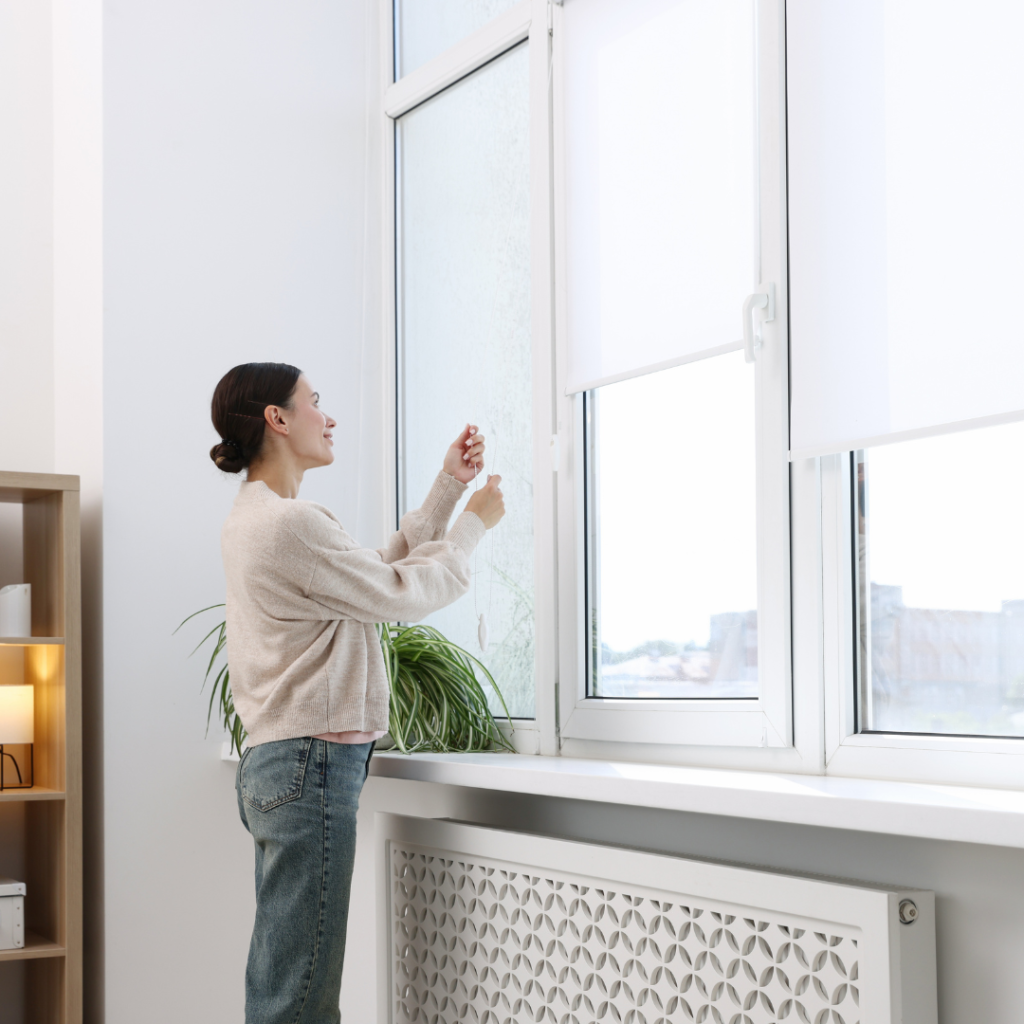
What Blinds Add the Most Value to a Home? When it comes to home upgrades that are stylish, functional, and actually increase property value, window treatments are one of the most overlooked opportunities. Yet, savvy homeowners and real estate pros know: the right blinds can do more than block the sun—they can boost your home’s resale appeal and market price. Let’s break down exactly which blinds add the most value, and why they deserve a top spot on your renovation priority list. Why Window Treatments Matter for Resale If you’ve ever toured a house that’s labeled “move-in ready” but still felt it was lacking… it was probably the windows. It’s incredible how much outdated mini-blinds or bare panes can drag down a room. That’s something I saw firsthand in Florida, when I helped a homeowner swap out their flimsy slatted blinds for thoughtful, custom solutions. We went with light-filtering roller shades in the bedrooms, sleek cellular shades throughout the main living areas, and bold drapes to frame the living room view. The result? The home got an immediate curb appeal glow-up—no more tilted, mismatched blinds peeking out from the street. Utility bills dropped, thanks to the insulating power of honeycomb cells that blocked intense afternoon heat. Most importantly: the appraiser took note, listing the upgraded window treatments as a feature that helped justify a higher asking price. That’s when it clicked for me: quality blinds aren’t just for aesthetics—they’re a real investment in both daily comfort and long-term home value. Blinds That Impress Buyers and Boost Appraisals Not all blinds are created equal when it comes to ROI. If you’re thinking resale, here are the top performers: Plantation Shutters Often considered the gold standard of window treatments, plantation shutters are permanent fixtures that feel custom and luxurious. They offer: Long-term durability Excellent insulation Wide slat design for flexible light control They’re a favorite among real estate agents and buyers alike because they’re viewed as a built-in upgrade. Faux Wood Blinds A more budget-friendly alternative to real wood that still looks premium. Ideal for: Kitchens and bathrooms due to moisture resistance Neutral staging and cohesive design Easy maintenance and cleaning Cellular Shades (Honeycomb Shades) Energy efficiency champions with a sleek look. Their benefits include: Reduced heating and cooling costs Added insulation and sound dampening Appeal to eco-conscious buyers Motorized or Smart Blinds Luxury buyers love automation. These are best for: High or hard-to-reach windows Tech-focused homes Boosting smart home appeal Style Meets Efficiency: The Winning Formula for ROI Blinds that add value aren’t just pretty—they solve problems. That’s why the most successful upgrades combine form and function. In our home, we chose cellular shades specifically to deal with west-facing windows. Every afternoon, the heat was intense. After installing the honeycomb blinds, indoor temperatures dropped noticeably, reducing the load on the A/C. The homeowner saved money and future buyers saw the benefit instantly. Style is just as important. Blinds that blend with flooring, paint tones, and furniture make homes feel polished. Neutral tones like white, beige, and soft gray are always resale-friendly and photograph beautifully. Best Blinds by Room: What to Choose and Where Not every blind suits every room. Here’s a breakdown: Living Room Use layered treatments—roller shades or faux wood blinds topped with long, elegant drapes. This adds depth and style. Bedrooms Opt for blackout roller shades or insulated cellular shades for better sleep and privacy. Kitchen Faux wood blinds are ideal for resisting heat and moisture. Stick to clean lines and simple designs. Bathrooms Moisture-resistant materials like vinyl or faux wood, with simple aesthetics that keep the space clean and modern. Home Office Go for light-filtering solar shades to reduce glare while maintaining natural light for productivity. From Bland to Brilliant: A Real-World Window Makeover Ever toured a “move-in ready” house and still felt it missing something? I used to think the same—until I helped a Clermont homeowner swap out dated mini-blinds for custom window treatments. We chose a mix of light-filtering roller shades, energy-saving cellular shades, and a bold set of draperies for the living room. Here’s what happened: Curb-appeal glow-up. From the street, the new shades framed each pane perfectly—no more crooked slats. Lower utility bills. The honeycomb cells trapped that brutal afternoon heat, so the A/C finally got a break. Appraiser’s nod. When the house hit the market, the updated windows were listed as a selling feature—one small upgrade, one bigger asking price. That project convinced me: thoughtful window treatments aren’t just décor; they’re an investment in comfort and resale value. If you’re weighing renovation priorities, start with the windows—you’ll enjoy the upgrade now and thank yourself when it’s time to sell. Common Mistakes When Upgrading Blinds (and How to Avoid Them) Avoid these common pitfalls: Choosing the cheapest option that looks flimsy Going bold with odd colors or patterns that turn off buyers Mismatching styles throughout the house DIY installation mistakes that ruin the effect Final Thoughts: Are Quality Blinds Really Worth It? Absolutely. Window treatments might not be the flashiest update, but they offer one of the best combinations of low investment and high impact. They help you live more comfortably now—and they give future buyers one less reason to hesitate when it’s time to sell. In my experience, blinds are more than a finishing touch. They’re a strategic move that blends form, function, and financial return. So if you’re thinking about upgrades that truly add value, start with the windows. They’re literally the lens through which buyers see your home—and with the right blinds, that view can be priceless.